Gross National Happiness
Last updated:
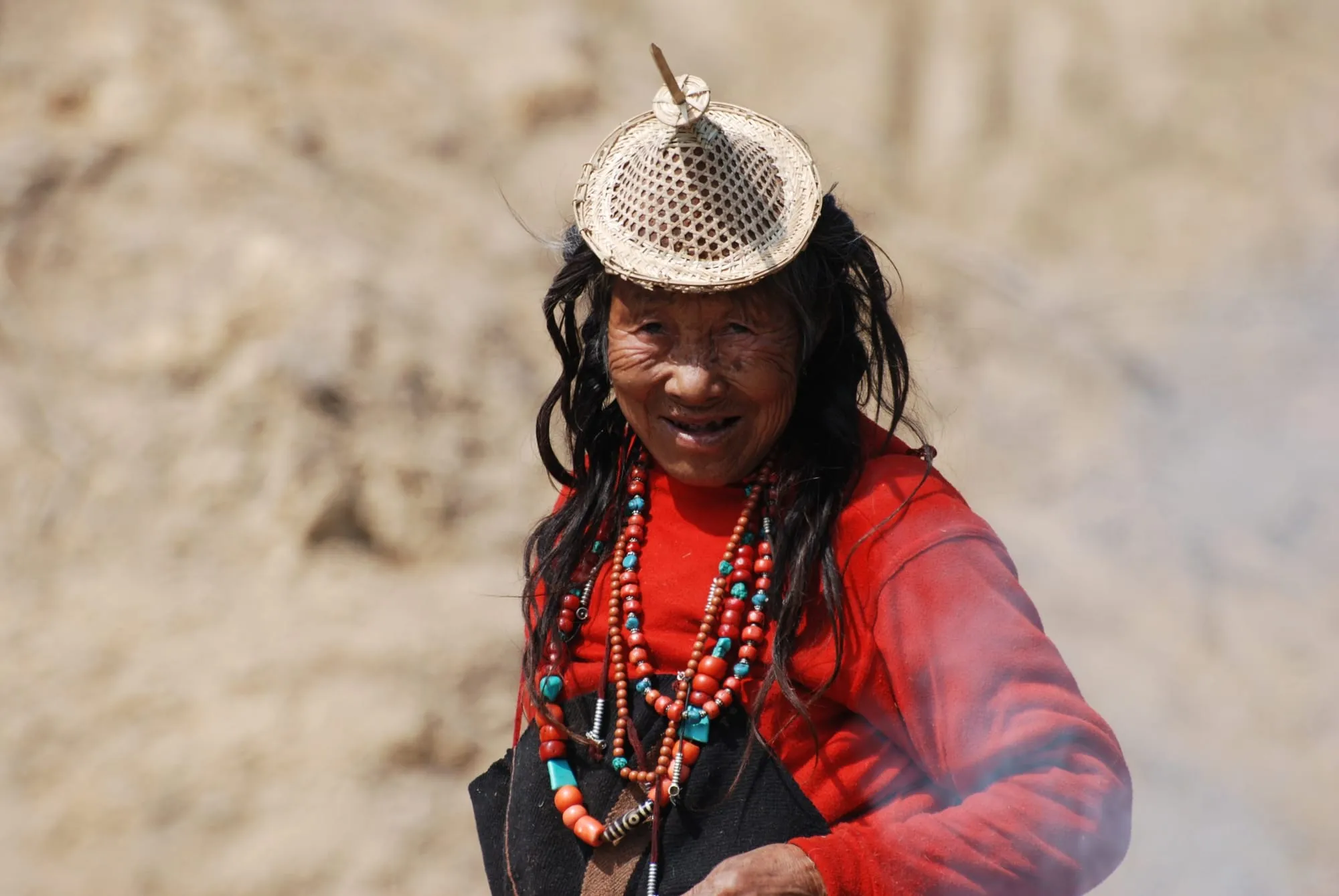
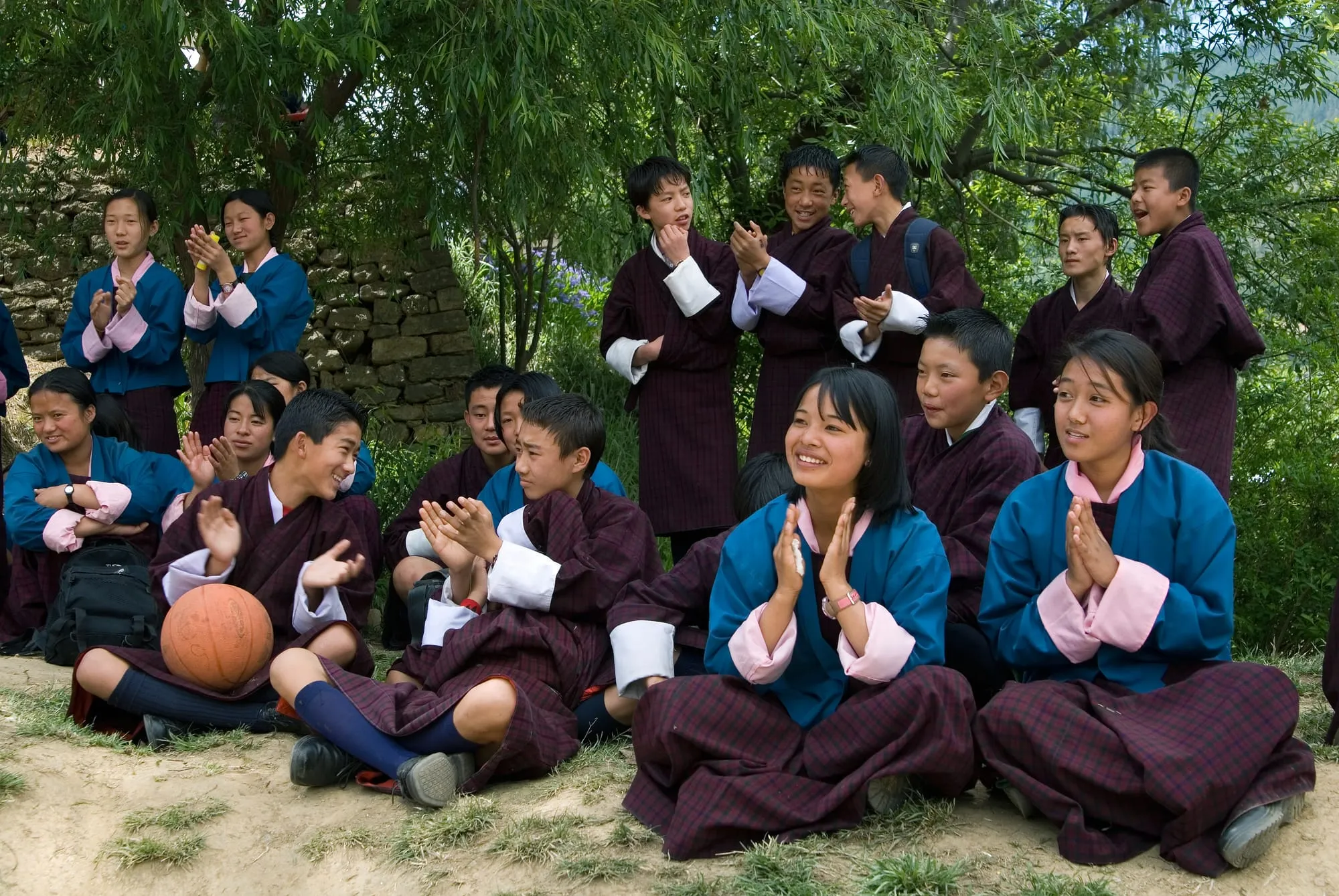
Bhutan measures prosperity by taking into consideration the citizens’ happiness levels and not the gross domestic product.
We call this development philosophy Gross National Happiness; a term coined by His Majesty Jigme Singye Wangchuck, the fourth King of Bhutan, in 1972.
Gross National Happiness (GNH) is a holistic and sustainable approach to development. The objective is to achieve balanced development essential for people’s happiness. The concept of GNH consists of four pillars: socioeconomic development, conservation and promotion of culture, protection of the environment and good governance.
Bhutan does not measure itself against the international happiness rankings you may have seen. It uses its own instrument, the GNH Index, compiled by the Centre for Bhutan & GNH Studies from a nationwide household survey built around the four pillars above.
The World Happiness Report is a different exercise altogether, built on a Gallup poll. Bhutan last appeared in it in the 2019 edition, ranked 95th of 156 countries, and has not been ranked since, because Gallup has not surveyed the country since 2015. Gross National Happiness was never a claim to be the happiest place on earth; it is a way of deciding what development is for.
That philosophy is also why tourism here works the way it does — most international visitors pay a daily Sustainable Development Fee, which the government puts towards free healthcare and education, conservation and carbon-offset programmes. We explain it in our Bhutan SDF guide.
The United Nations General Assembly declared 20 March as the International Day of Happiness because the pursuit of happiness is a fundamental human goal and in Bhutan it is a National Holiday.
Tailor-made travel
Begin your journey to the Last Shangri-La
Every Little Bhutan itinerary is private and tailor-made. Tell us what draws you to Bhutan — festivals, treks, monasteries, food — and we will design the journey around it.