
Why visit Bhutan?
Last updated:
Bhutan is no ordinary place. It is an amply modern country yet medieval with one foot still rooted in its past. Bhutan is aware of the downsides of rapid modernization and has decided to move cautiously without losing its soul. Sustainable socio-economic development, preservation and promotion of culture and tradition, and preservation and protection of natural environment are at the forefront of government policy. Every decision is carefully weighed for the benefit of its people. The government’s ‘high value, low volume’ tourism policy is therefore a good example of its efforts to manage visitor numbers so tourism funds conservation and culture rather than overwhelming them. This gives Bhutan a different look and feel altogether, a visual and spiritual feast for all visitors.
Top 10 Reasons to visit Bhutan
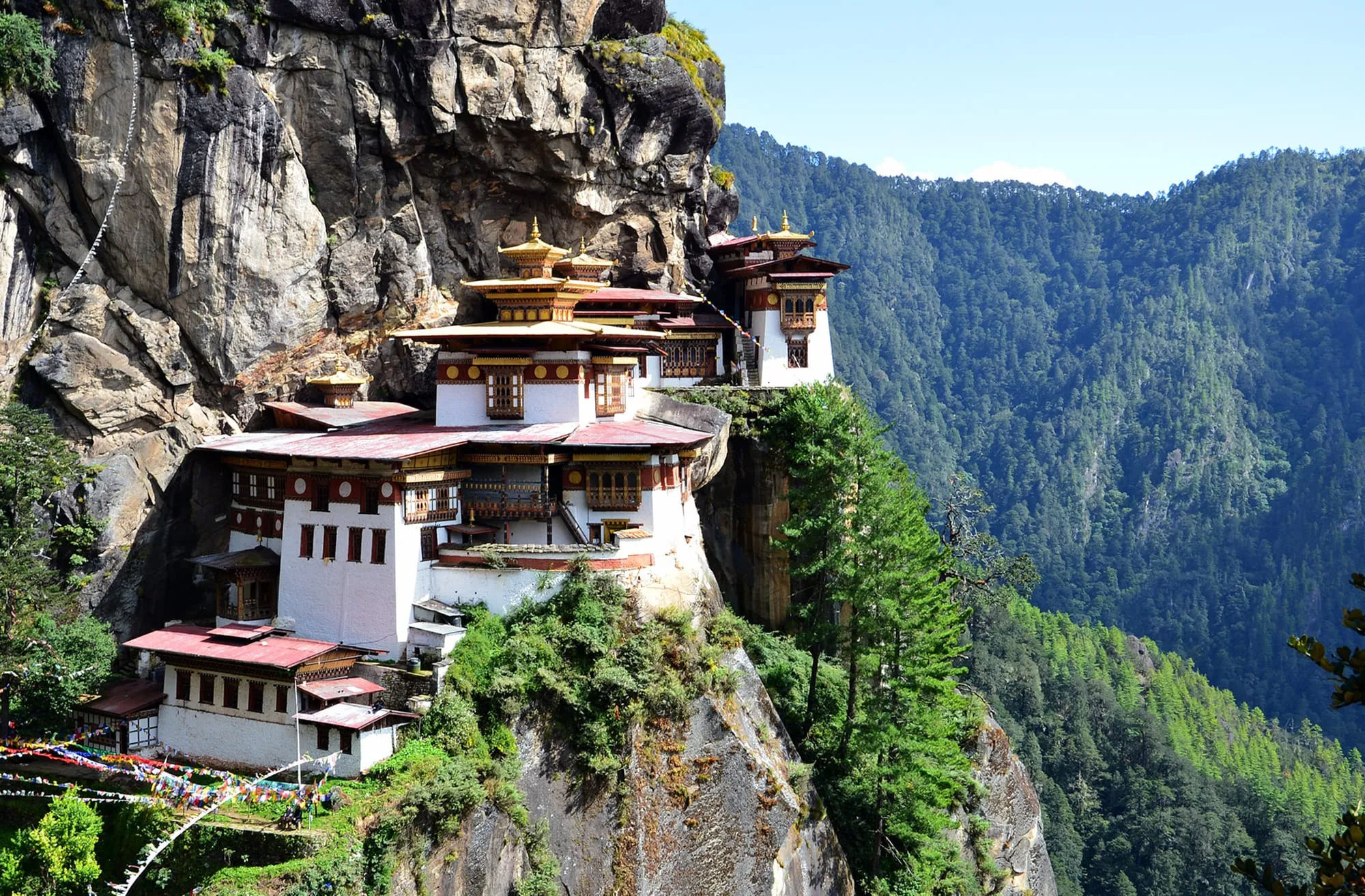
1. Taktsang Goemba (Tiger’s Nest Monastery)
Taktsang is one of the most important Buddhist monasteries in Bhutan. It clings to a vertical cliff at 3,120 m — about 900 m above the Paro valley floor. The monastery was built around the cave in 1692. According to legend, Guru Rinpoche flew on this cliff from the Eastern Bhutan on the back of a flaming tigress.
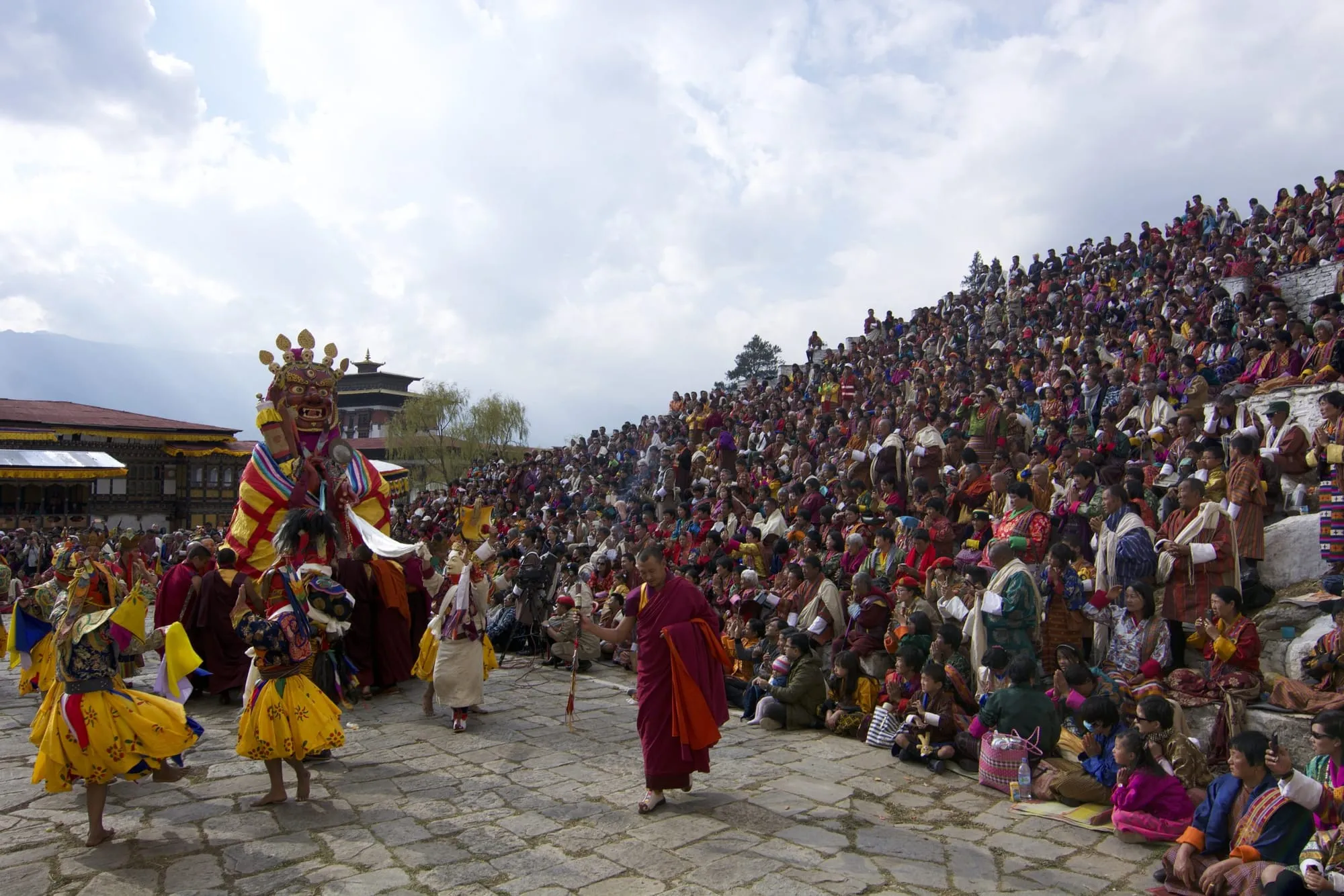
2. Tsechus (Festivals)
Tshechu is the annual religious festival in Bhutan. It is conducted in all the dzongs and major monasteries. Tshechus are social gatherings where people from near and far gather to receive blessings and to witness mask dances and cultural items.
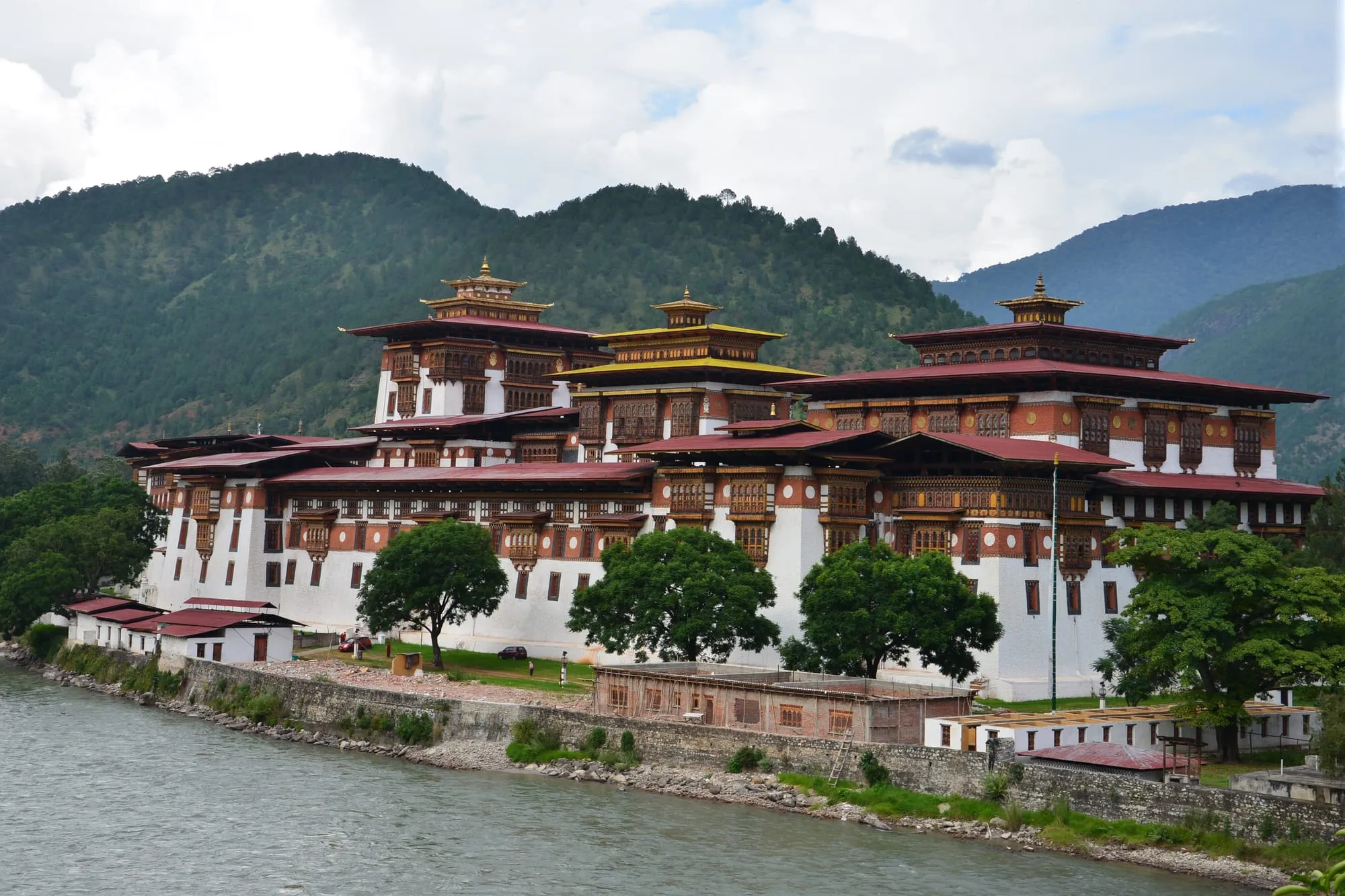
3. Dzong (Bhutanese Fort)
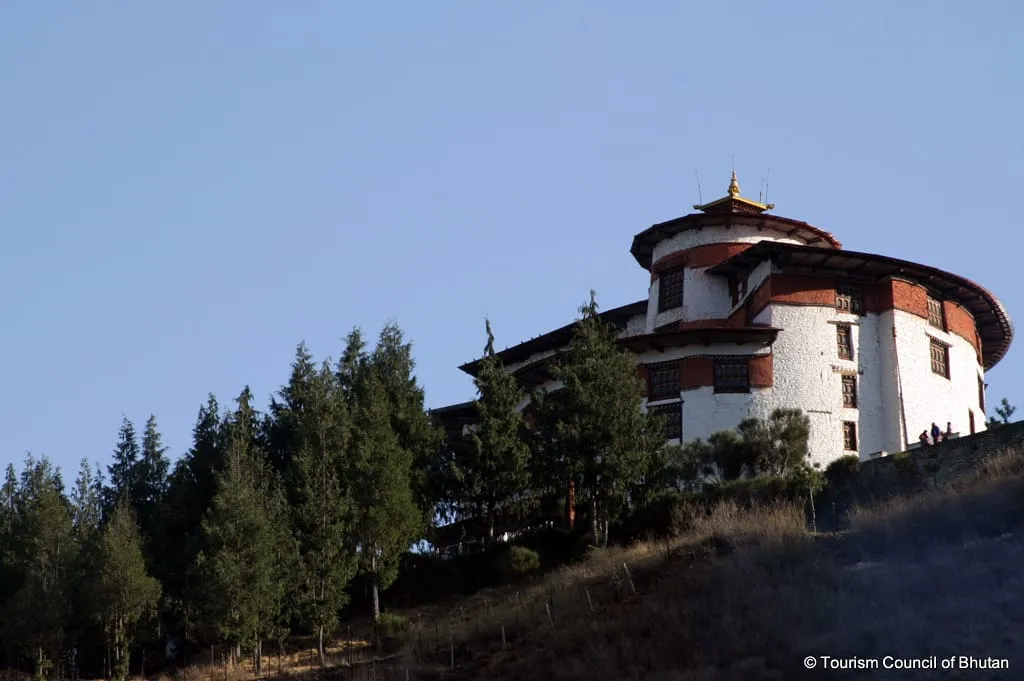
Dzongs were ancient forts that are used today as the administrative centers. Dzongs follow typical Bhutanese architecture with a wide base and tapering top. They are also ornately decorated in various colors and shapes. Dzongs were built without using a single nail.
4. Gross National Happiness
Gross National Happiness is Bhutan’s development philosophy based on Buddhist values that measures the quality of life based on the spiritual and mental well-being of its people. It does not reject the conventional method of measuring development – GDP but GNH is pursued as an alternative development philosophy.
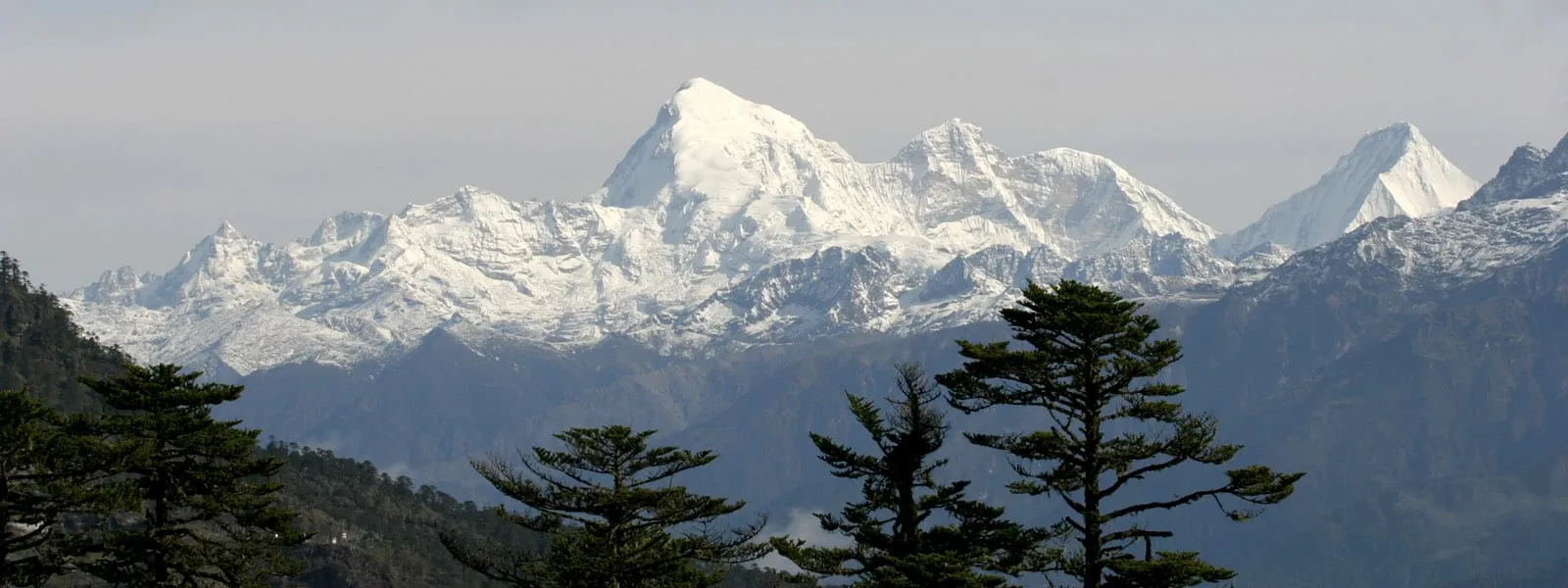
5. Highest unclimbed mountains
Bhutan is home to the world’s highest unclimbed mountain — Gangkhar Puensum (7,570 m) — along with other summits that have never been climbed. The government prohibits mountaineering in the peaks which the Bhutanese believe are the abode of deities and spirits, so sacred summits like Jhomolhari and Jitchu Drake, climbed by early expeditions, are off-limits to climbers today.
6. Museums & Monuments
For many years, monuments and museums have played a significant role in the history and origin of Bhutanese people. They serve as symbols of power, remembrance, and cultural identity. With the establisment of the monuments and museum, Bhutanese are able to stay rooted in the customs and culture of the ancestors. Bhutan has a variety of monuments and museums, each with its own significance and importance. Simthoka Dzong, also known as the “Palace of the Profound Meaning of Secret Mantras,” is considered to be the oldest surviving dzong in Bhutan. It was built in 1629 by Zhabdrung Ngawang Namgyal.
7. Mountain Trekking
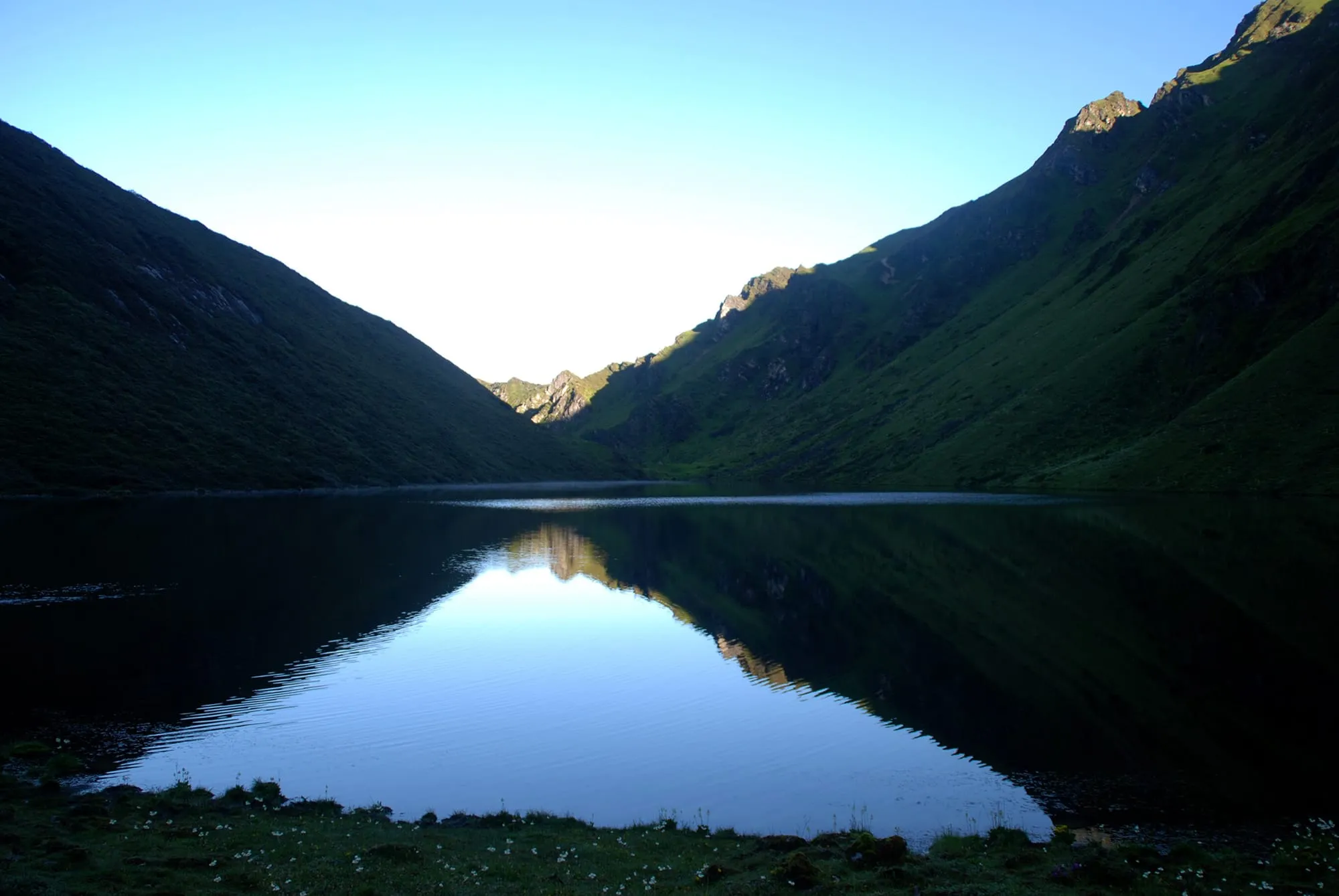
Bhutan’s treks will take you through physically challenging routes that will allow you to witness pristine natural beauty of the towering Himalayan mountains along the Trekking Trails. You may face some difficulty to adapt with the natural environment but it is worth all the trouble because it helps take you away from the hustle and bustle and gives you a moment to gather the freshness of the air. You will also come in close contact with hardy highlanders and farmers but thankfully there will be ponies to carry your packs!
8. Thirteen unique arts and crafts of Bhutan
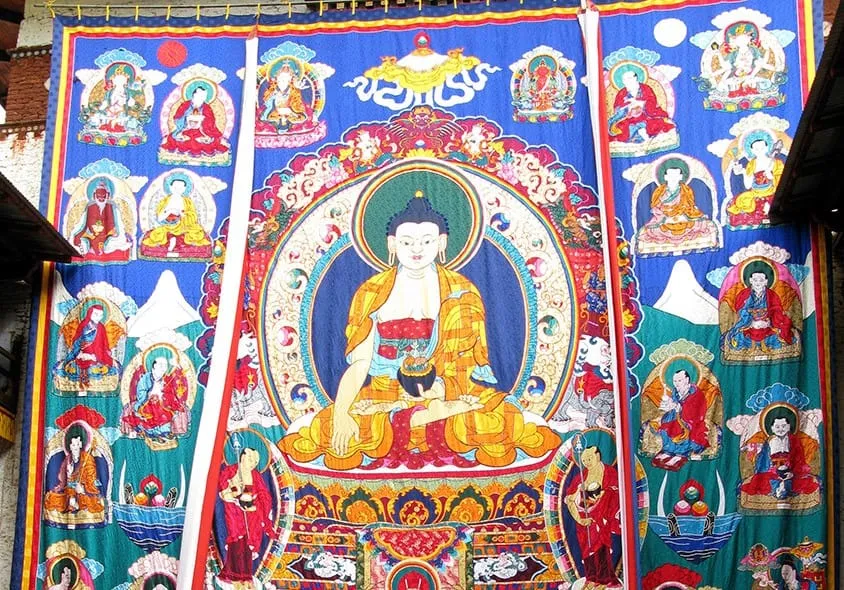
The 13 Bhutanese Arts and Crafts known as the Zorig Chusum is symbolic and rooted in Buddhist philosophy. They are; woodwork, stonework, carving, painting, sculpting, bronze casting, wood turning, black smithy, ornament making, bamboo work, paper making, tailoring and weaving. Pema Lingpa, a renowned treasure discoverer, introduced these arts and crafts to Bhutan in the 15th century.
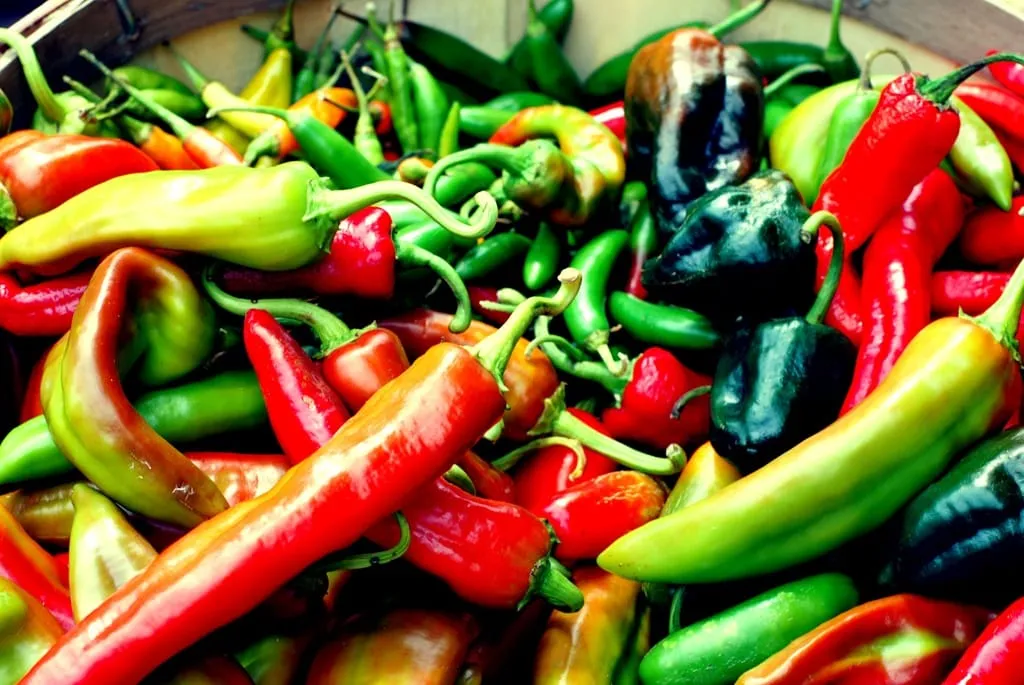
9. “Hot” cuisine
Bhutan is one of the few places in the world where chilli is treated not as a seasoning but as a vegetable in its own right. The national dish is “ema-datshi”, which is a chilli and cheese stew served with rice. Adventurous tourists may like to sample it at their own risk!
10. A spiritual haven
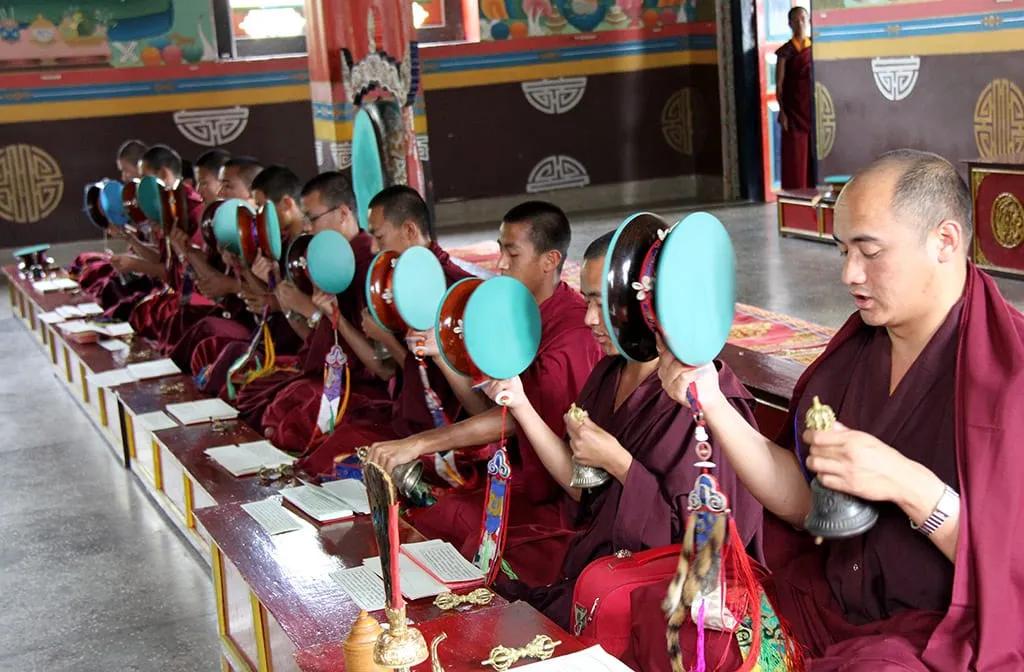
Buddhism in Bhutan is not a religion; it’s a way of life. The reason why Bhutan is as peaceful as it is, it maybe because Buddhism is deeply engrained in the society mentality. Don’t be surprised to see an old man or woman at the Memorial Chorten circumambulating with a string of beads in hand. Try Bhutan’s meditation retreats to get away from noise, chaos, and routine life.
Plan the trip
Private tours that pair with this guide


Tailor-made travel
Begin your journey to the Last Shangri-La
Every Little Bhutan itinerary is private and tailor-made. Tell us what draws you to Bhutan — festivals, treks, monasteries, food — and we will design the journey around it.