
Gasa Dzong (Trashi Thongmon Dzong)
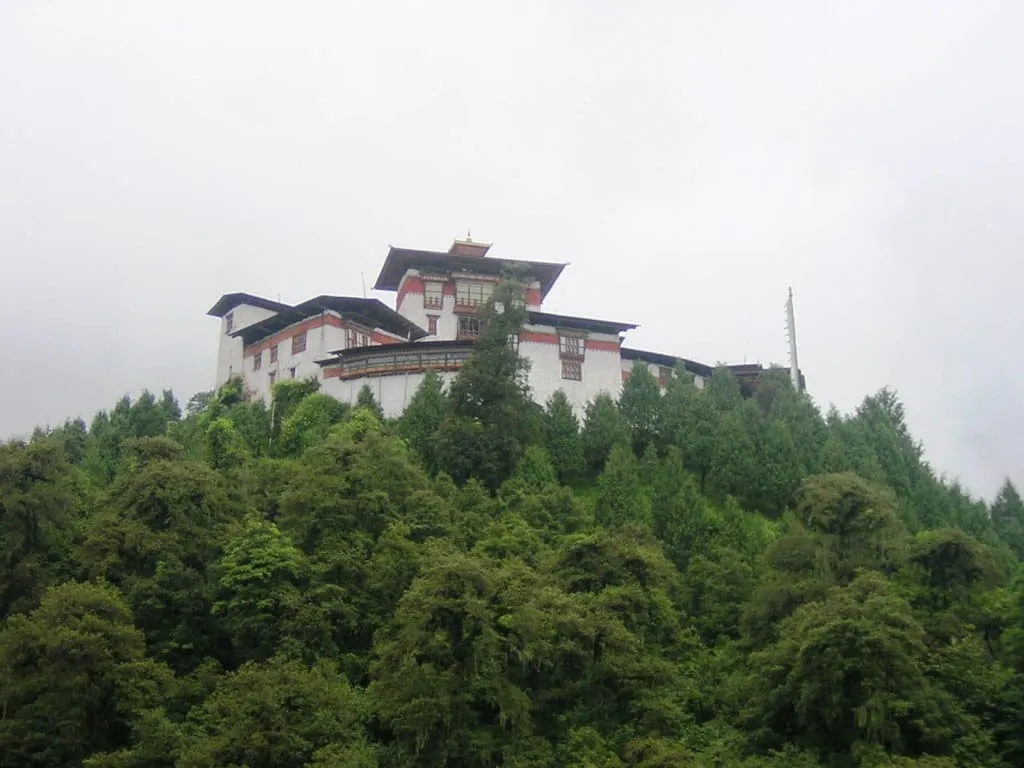
Gasa Dzong — Trashi Thongmon Dzong — is a 17th-century fortress at about 2,800 metres, built in 1646 to guard Bhutan’s northern passes against Tibetan invasion. It is the seat of the dzongkhag, it is described as round, with three watchtowers, and it was badly damaged by fire in January 2008. Allow about an hour.
Who built it, and why?
Zhabdrung Ngawang Namgyal ordered it; he did not build it. The work was done in 1646 by Tenzin Drukdra, the second Druk Desi, and the dzong was later expanded by the fourth Desi, Gyalse Tenzin Rabgye.
It was one of the fortresses raised to mark victories over Tibetan invasions, and it kept doing the job: Gasa sits below the passes into Tibet, and the dzong defended the northern approaches through the 17th and 18th centuries.
The deity who went to meet the Zhabdrung
The dzong is named for its protector, and the story is the best thing about it. When the Zhabdrung travelled into Bhutan in 1616, the deity of Gasa is said to have gone north to Tsari Kibuthang, in Tibet, to greet him — and the Zhabdrung blessed it and gave it a new name, Trashi Thongmoen. The dzong took that name in 1648.
Wikipedia adds another layer: the landscape here is described as having the shape of Tsheringma, the goddess of long life, with the dzong standing on the figure’s chest.
One thing we have taken off this page. It used to say the protector was “Gomo”, and that a lake below the dzong was where Gomo appeared as a snake. We can’t find that anywhere else — not in any source, and there is no lake below the dzong on any map we can reach. If there is a local Gomo tradition we would like to publish it properly rather than keep repeating something we can’t stand behind.
The 2008 fire
In January 2008 the dzong was badly damaged by fire, which took ten hours to put out.
What that means for what you see today, we honestly can’t tell you. No source we could find says when the restoration was completed, or how much of the standing building is original fabric and how much is rebuilt. Ask us before you plan around the interior.
What it looks like
Every description we have found says the same distinctive thing: Gasa Dzong is round, unlike Bhutan’s rectangular dzongs, with three Ta Dzongs — watchtowers — set at strategic points.
We are attributing that rather than asserting it: it comes from tour operators rather than from the government or an architectural record. It is also exactly the sort of thing one look settles, so if you go, tell us.
When should you come?
March to May, and September to November. This is high country and the winter is serious.
The obvious pairing is the Gasa hot springs, about two kilometres away with some 640 metres of height between them. How much of that you cover on foot is not published — ask us before you plan the two in one day.
See things to do in Gasa for the rest of the district.
Tours that visit Gasa


Frequently asked questions
Who built Gasa Dzong, and when?
It was built in 1646 by Tenzin Drukdra, the second Druk Desi, on the command of Zhabdrung Ngawang Namgyal — and later expanded by the fourth Desi, Gyalse Tenzin Rabgye. It was one of the fortresses raised to mark victories over Tibetan invasions, and it went on defending the northern approaches through the 17th and 18th centuries.
Why is it called Trashi Thongmon Dzong?
After its protective deity. The story goes that when the Zhabdrung travelled to Bhutan in 1616, the deity of Gasa went to Tsari Kibuthang in Tibet to greet him, and the Zhabdrung blessed it and gave it the new name Trashi Thongmoen. The dzong took that name in 1648. Wikipedia also describes the surrounding landscape as having the shape of Tsheringma, goddess of long life, with the dzong standing on the figure's chest.
Was Gasa Dzong damaged by fire?
Yes — in January 2008, a fire badly damaged the dzong and took ten hours to bring under control. What we can't tell you is what that means for what you see today: no source we could find says when the restoration finished or how much of the standing fabric is original. Ask us before you build a day around the interior.
How high is Gasa Dzong?
About 2,800 metres. Wikipedia gives 2,760 m, and two independent elevation models read 2,802 and 2,816 m at the mapped position of the building — close enough to call it 2,800. The hot springs sit roughly 640 metres below, about two kilometres away.
Tailor-made travel
Begin your journey to the Last Shangri-La
Every Little Bhutan itinerary is private and tailor-made. Tell us what draws you to Bhutan — festivals, treks, monasteries, food — and we will design the journey around it.