
Things to do in Gasa
Gasa is the far northwest: high country with the fewest people of any dzongkhag, and the gateway to Laya, Lunana and the Snowman route. What brings people here are the tshachu — hot springs — and two days in October when the highland communities gather at Laya.
These are not one afternoon. The springs sit at about 2,170 m, the dzong at about 2,800 m, and Laya at 3,820 m at the end of a four-to-five-hour walk.
Things to do in Gasa, compared
| Attraction | Time needed | Legwork | Best season |
|---|---|---|---|
| Gasa Hot Spring | An afternoon, or as long as you like | Riverside site on the Mo Chhu at ~2,170 m; ask us how far the pools are from the road | Winter, when the contrast is the point |
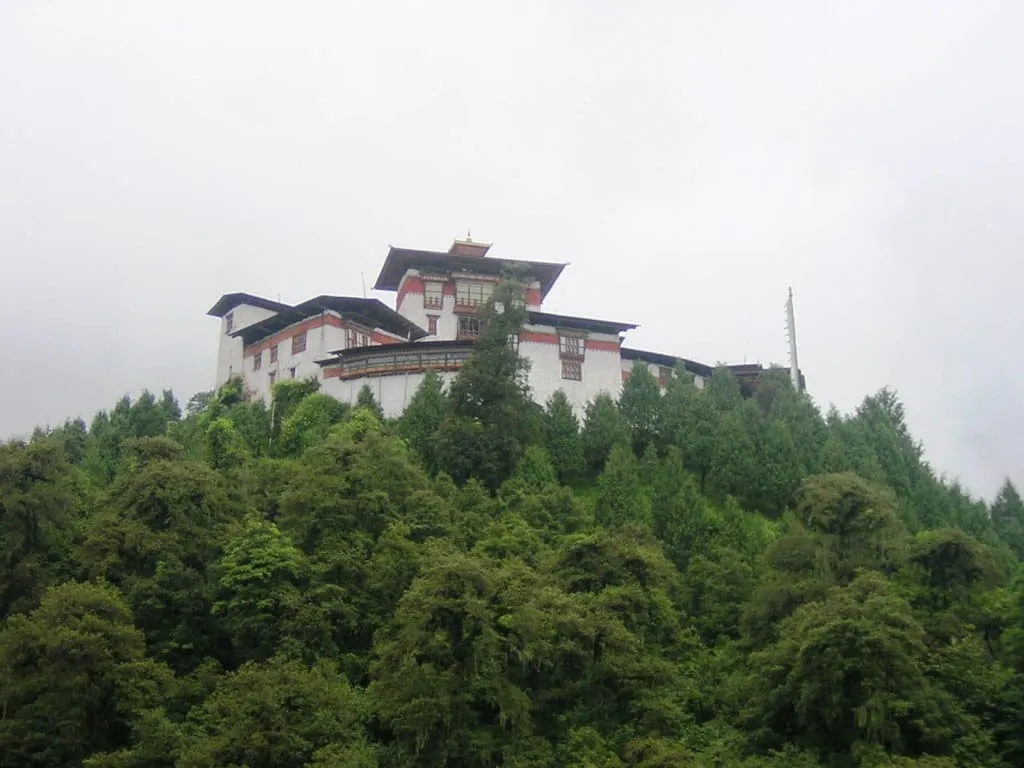
| Gasa Dzong | About an hour | ~2,800 m; ask us — the approach isn't published and this is high country | Mar–May, Sep–Nov |
| The Royal Highland Festival | Two days, plus the walk in and out | At Laya, 3,820 m — no road. A 4–5 hr trek from the road head, or a helicopter | 23–24 October |
Entrance fees are included in every tour we run, so there's no ticket window to queue at and no cash to carry at any of them.
The hot springs, which are the real reason
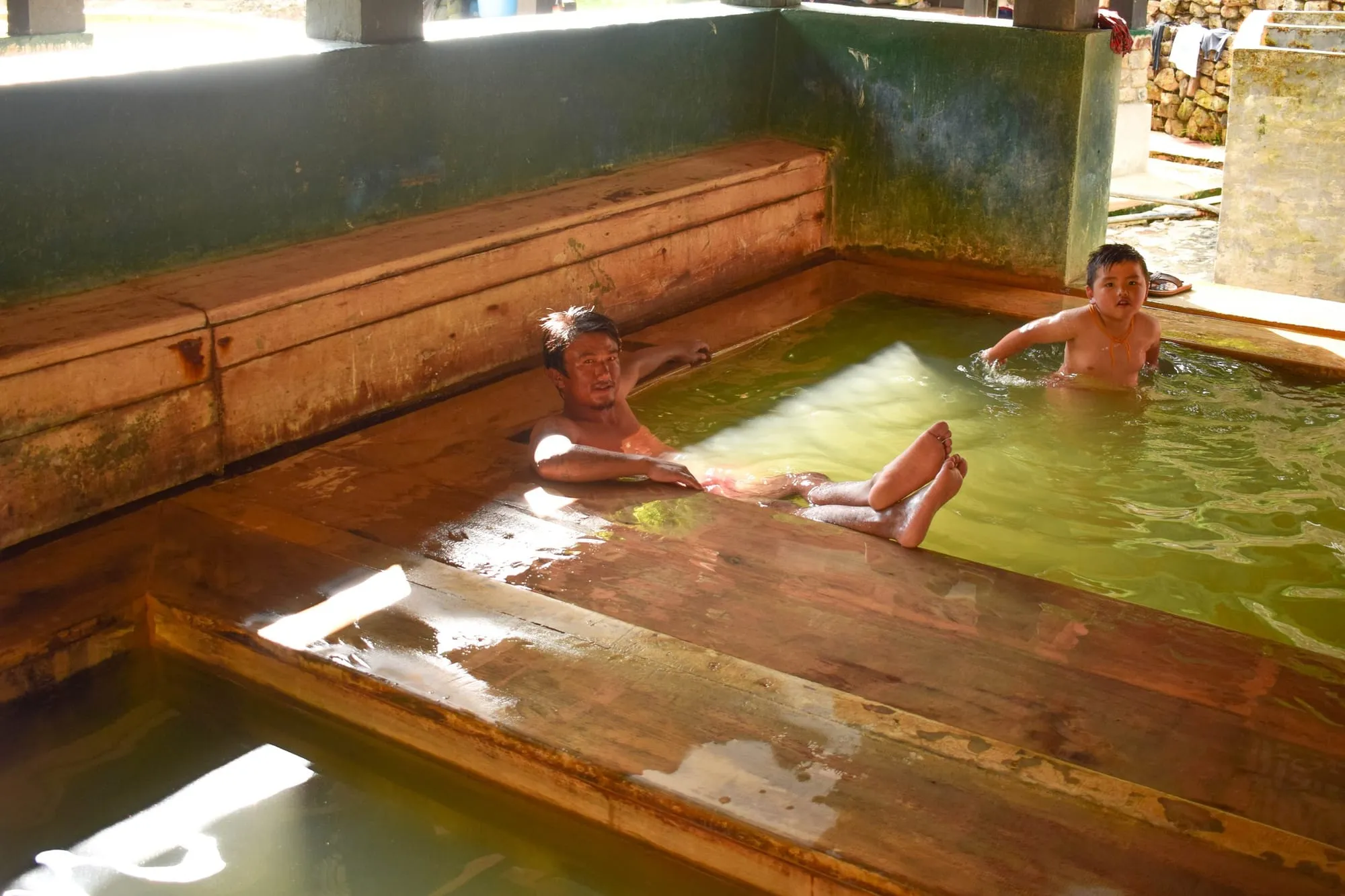
Gasa Tshachu sits on the bank of the Mo Chhu, the same river that runs down to Punakha Dzong, and it is among the best-loved hot springs in the country. According to Gasa Dzongkhag, the water is traditionally held to relieve joint pain, and Bhutanese travel here to soak for days at a time — this is a domestic pilgrimage as much as a spa.
There are five pools for women and five for men, each at a different temperature, plus two reserved for VVIPs — and guesthouses nearby you can book in advance. Other tshachu lie nearby. The site has been renovated several times in recent years, so ask us what is open before you build a trip around it.
They sit about two kilometres from the dzong, with some 640 metres of height between them. How much of that you walk is not published — ask us.
The obvious pairing is a Laya trek: the springs are what you do afterwards, and there is no better argument for them than a week of walking.
The Royal Highland Festival — at Laya, and you walk in
23–24 October, and the first thing to know is where it is: Laya, at 3,820 metres, which is about a kilometre above Gasa Dzong. There is no road. You drive to the road head and walk in — our own journeys allow four to five hours with pack ponies — or come by helicopter, booked well ahead.
People arrive in Bhutan expecting to drive to this festival. You cannot, so tell us early if a walk at altitude is not realistic and we will talk about the alternatives.
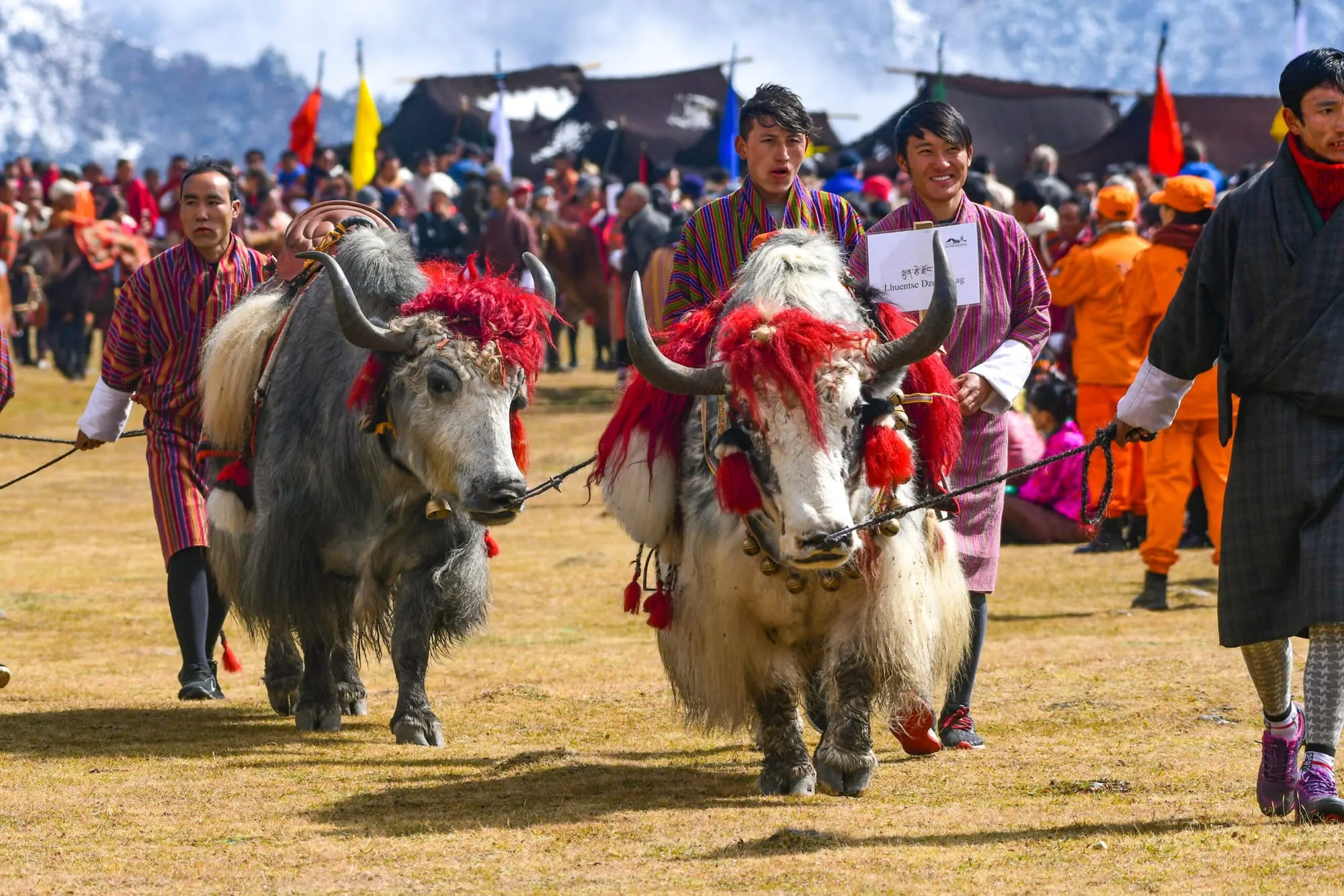
First held on 16 October 2016, it marked the birth of the Gyalsey, 400 years since the Zhabdrung's arrival, and the Rabjung birth year of Guru Rinpoche. It gathers the highland communities — Layaps, Lunaps and yak herders from across the north, who speak Layakha and Lunanakha and do not otherwise meet in one place — for two days of yak and horse racing, mastiff competitions, a yak beauty contest, and the 25 km Laya Run. His Majesty the King often attends.
Dates are in the festival calendar, and the Royal Highland Festival journey is built around it. Book early — beds at Laya are tents and homestays, and there are not many.
Getting there, and when
Gasa is reached from Punakha, and it is high and cold in winter and pleasant in summer — the opposite of most of Bhutan's seasonal advice, because you are not here for mountain views but for hot water and highland communities.
March to May and September to November for the dzong and the walking. October for the festival. Winter for the springs, if you can get in.
Attractions in Gasa
Tailor-made travel
Begin your journey to the Last Shangri-La
Every Little Bhutan itinerary is private and tailor-made. Tell us what draws you to Bhutan — festivals, treks, monasteries, food — and we will design the journey around it.