Plants and Animals
Last updated:
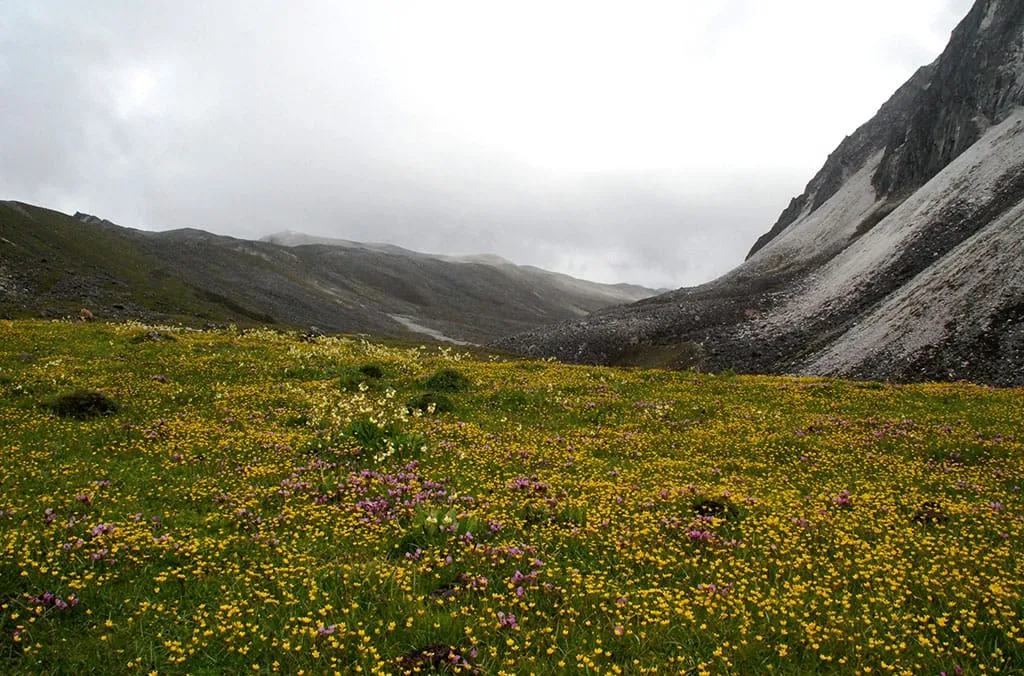
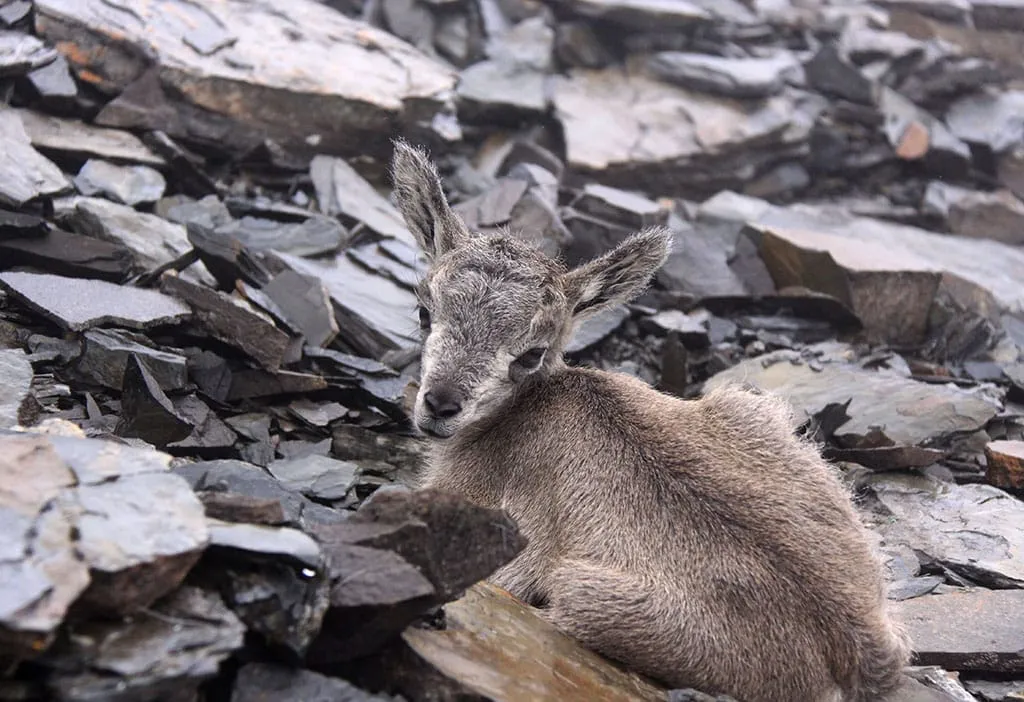
With 69 percent of the country under forest cover — the figure from the Land Use and Land Cover Assessment of Bhutan 2020, against a constitutional minimum of 60% that must hold for all time — Bhutan has a rich variety of plants and animals. It has three different zones: the alpine zone (4000m and above) above the tree line, the temperate zone (2000 to 4000m) and the subtropical zone (150m to 2000m).
Almost 60 percent of plant varieties found in the eastern Himalayan region is endemic to Bhutan. Bhutan has 5,400 varieties of plants which include 300 varieties of medicinal plants, and 46 varieties of rhododendrons.
Bhutan has 129 mammal species and around 736 bird species, according to the National Biodiversity Centre. (Birding checklists that count vagrants put the bird total above 760.) These include rare and endangered animals and birds.
The snow leopard, blue sheep, red panda, tiger, takin, marmot, musk deer are some of the species found in the high altitudes.
Birds like the black-necked crane, white-bellied heron, hornbills and pheasants are some of the species found in Bhutan. The black-necked cranes winter in the Phobjikha valley from late October until mid-February — our guide to the best time to visit Bhutan has the dates and the Crane Festival.
Tailor-made travel
Begin your journey to the Last Shangri-La
Every Little Bhutan itinerary is private and tailor-made. Tell us what draws you to Bhutan — festivals, treks, monasteries, food — and we will design the journey around it.