

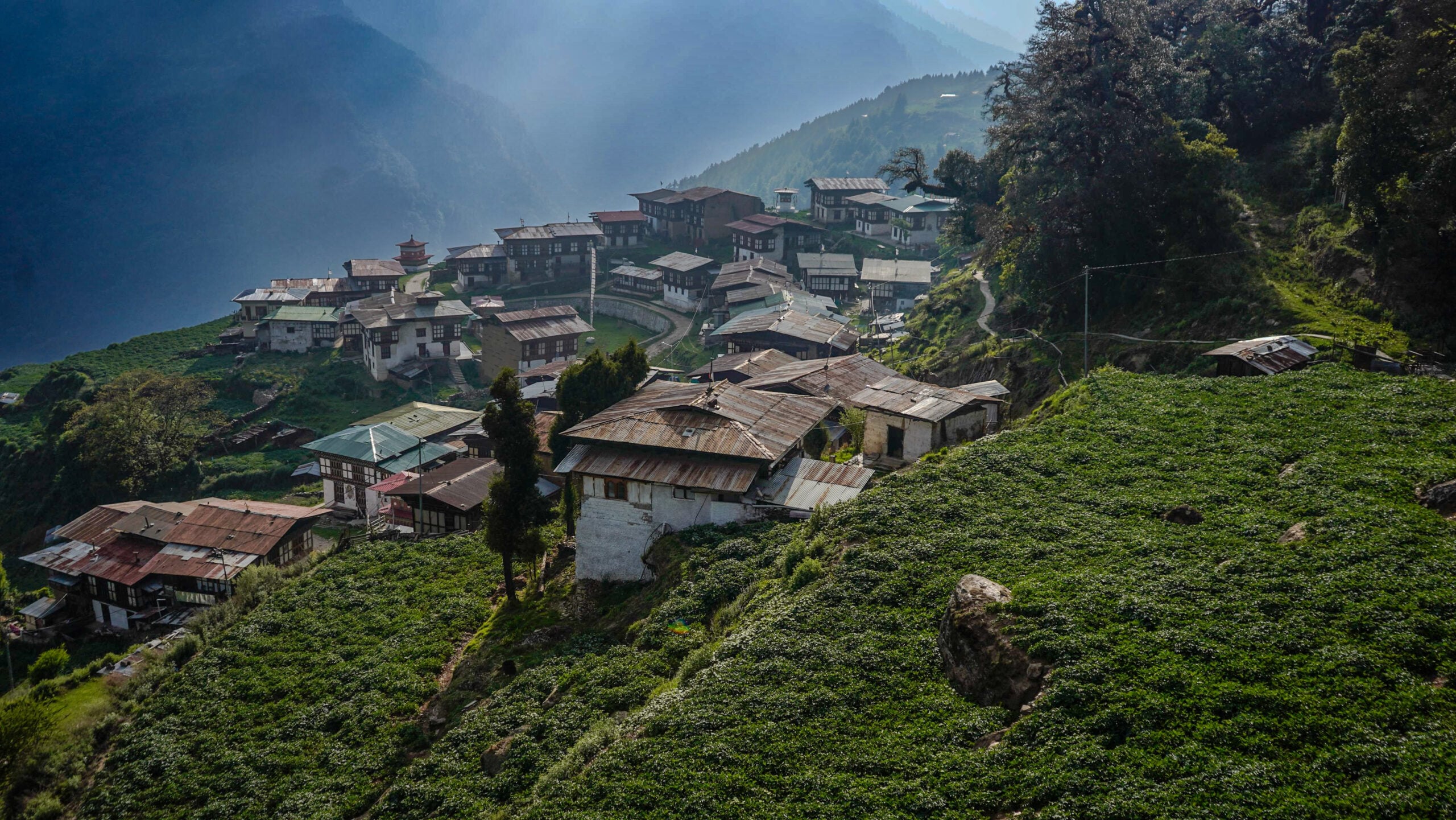
Bhutan’s introduction to the outside world often happens through the tagline –“Happiest Country.” Whether or not that label is true, Bhutanese values and everyday life makes Bhutan stand out as a happy country.
In the 1970s, the Fourth King famously stated that Gross National Happiness is more important than Gross Domestic Product. Since then, Bhutan’s image as a happy country has been cast throughout the world. One of the reasons why Bhutan is considered as a happy country could be due to its size.
Small Country, Small Problems?
Bhutan is a relatively small country with a population of less than a million. Thimphu, the capital city, doesn’t have traffic lights and almost everyone knows everyone. Driving around Thimphu, I realized the painstaking way drivers had to stop, for pedestrians to cross the street using the dozen or more zebra crosses painted across the city. I thought that the zebra crossing, just as the manual traffic officers, created an environment of trust and interaction. It made us pause. Moreover, in a small country like Bhutan, it is easier to hold one another accountable and care for one another. This is largely because many people are closely connected through family ties.
Belief of Karma
While no two Bhutanese are alike, I feel that the majority of Bhutanese strongly believe in the Buddhist concept of Karma. When something bad happens, we tend to blame it on one’s Karma, and the same goes for when something good happens. Though we tend to attribute the bad things that happen to us more to Karma. A while ago, while visiting a temple, a caretaker monk advised me to do honest work, and that as a result, wealth would follow. I’d received similar advice before.
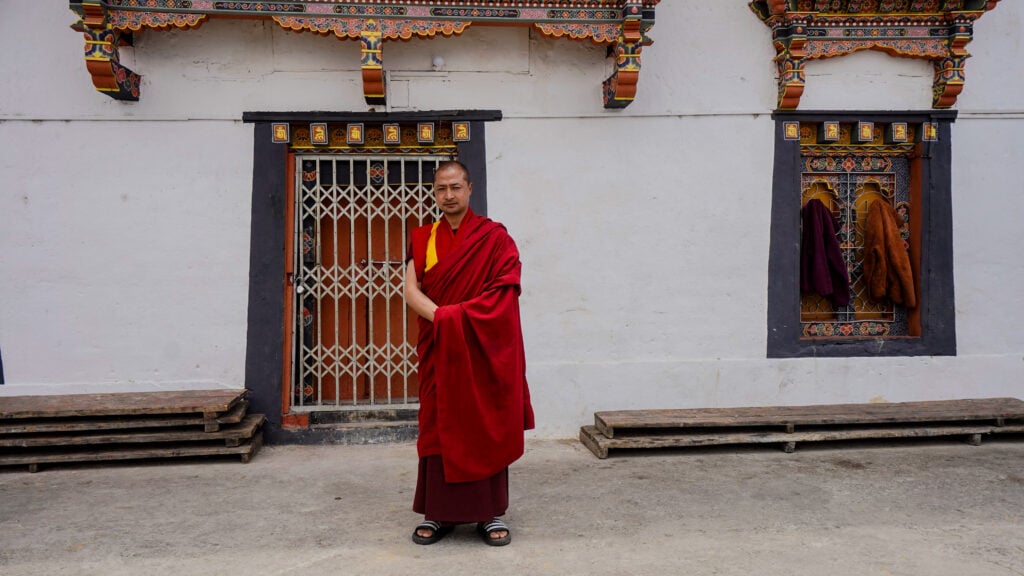
I also feel that as Bhutanese, we learn to manage our envy and frustration towards others by using this same logic. With my own friends I’ve seen them let go of disagreements because they believed that it would be resolved on its own – that Karma would equal things out. Once, when my friend and I caught someone stealing fuel from her car, she decided not to report to the authorities, even though she managed to scare both the guy and me. Having said that, there have been instances where a friend used Karma to avoid having a difficult conversation. Furthermore, Bhutan’s outlook on the natural world might have influenced its happiness index.
Relationship with Nature
The Bhutanese constitution states that all Bhutanese citizens are caretakers of the environment, a way of life that has existed since ancient times. Even today, before building a house, Bhutanese perform a ritual seeking permission from the land deity. I believe that the respect and care that we show for nature impacts us positively, influencing us to be more thoughtful, to take things slow, despite not being the norm anymore. It reminds me of the saying: “When we are good to others, we are being good to ourselves. When we are bad to others, it is ourselves that we are being bad to.”
Book your trip to Bhutan today! Contact us at [email protected] or call +975 1711-2338 any time, anywhere!