
Things to do in Bumthang
Bumthang is four valleys, not one: Choekor, Tang, Chhume and Ura. It is the religious heartland of Bhutan — where Guru Rinpoche healed King Sindhu Raja, where Pema Lingpa was born and made his discoveries, and where the Wangchuck family had a house before it had a throne. Two nights covers the Chamkhar cluster and one other valley. Three buys you Tang or Chumey properly. Four if Ura is in it — and the real planning question here is not what to see but which valleys you have time for.
Things to do in Bumthang, compared
| Attraction | Time needed | Legwork | Best season |
|---|---|---|---|
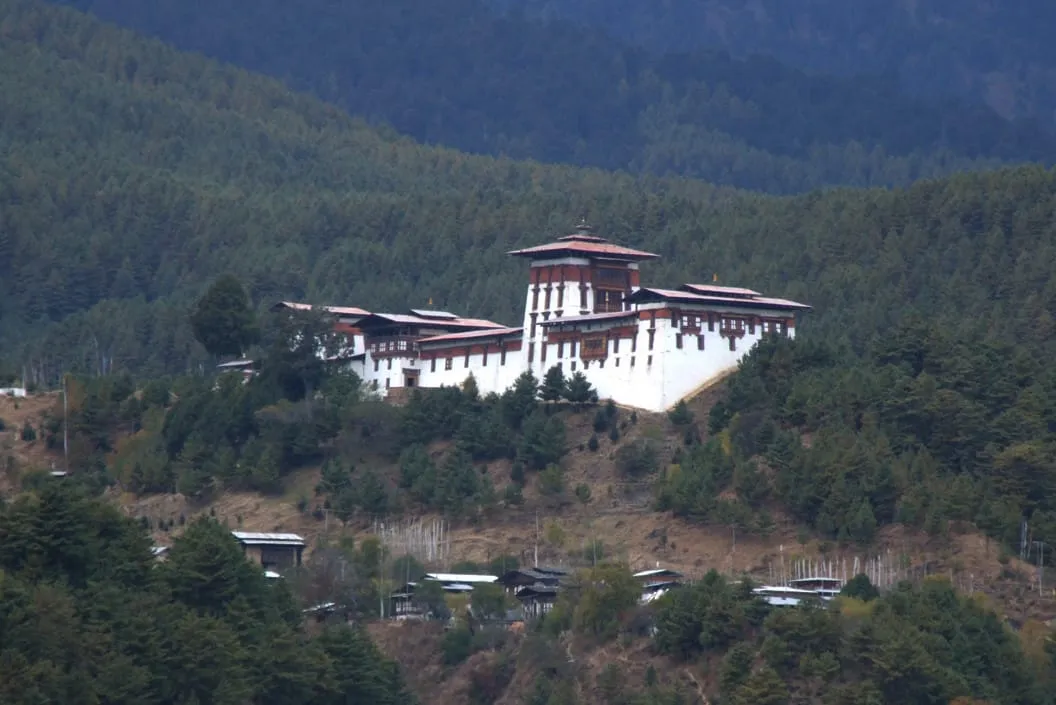
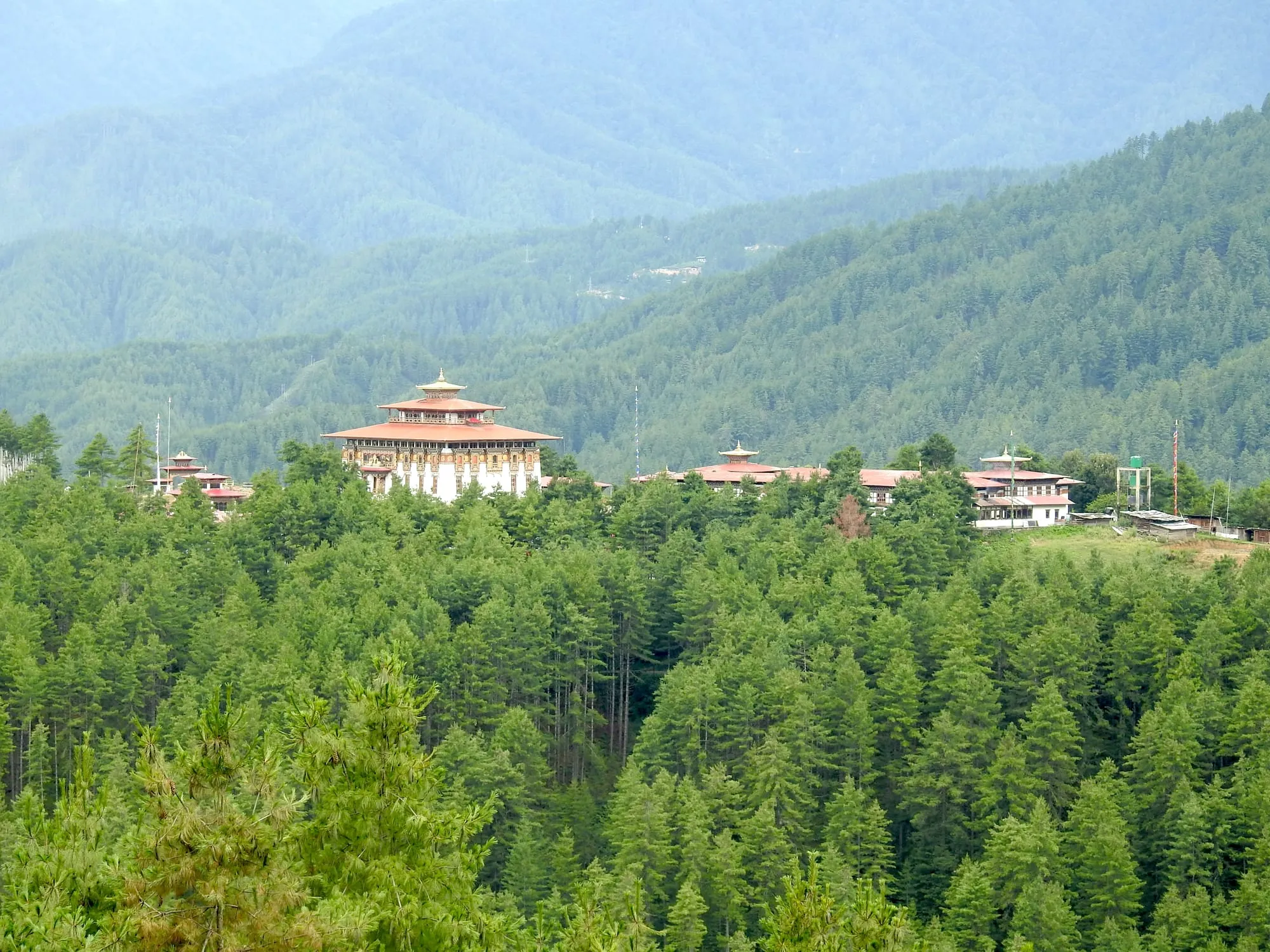
| Jakar Dzong | 45 mins–1 hr | A short climb or drive up the ridge above Chamkhar; steep stairs inside | Oct–Nov (Jakar Tshechu); Mar–May, Sep–Nov |
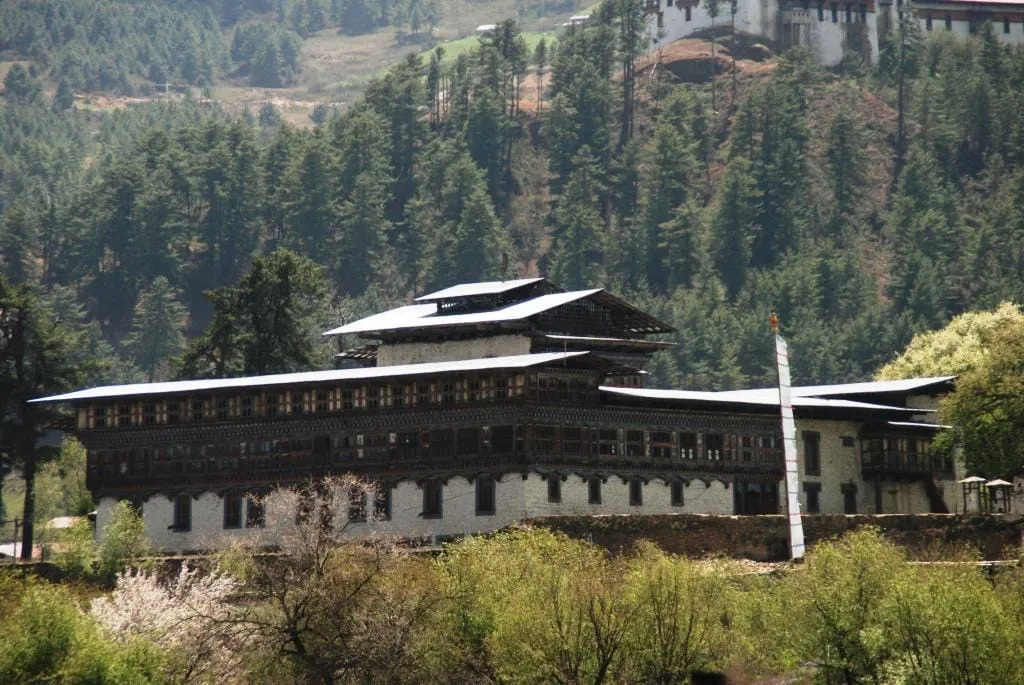
| Wangduechhoeling Palace Museum | 1–1.5 hrs | Level approach in Chamkhar; several floors of a 19th-century palace | Year-round — ask us, the museum is new and publishes no hours |
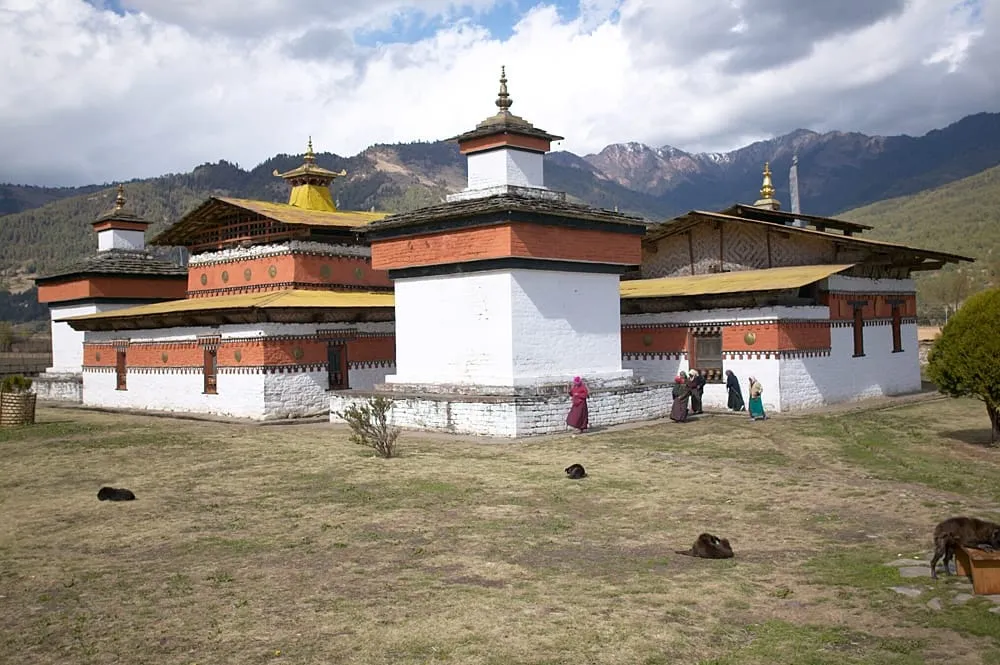
| Jampey Lhakhang | 30–45 mins | Level courtyard, a few steps up into the temple | Late Oct–Nov (the Drup); year-round otherwise |
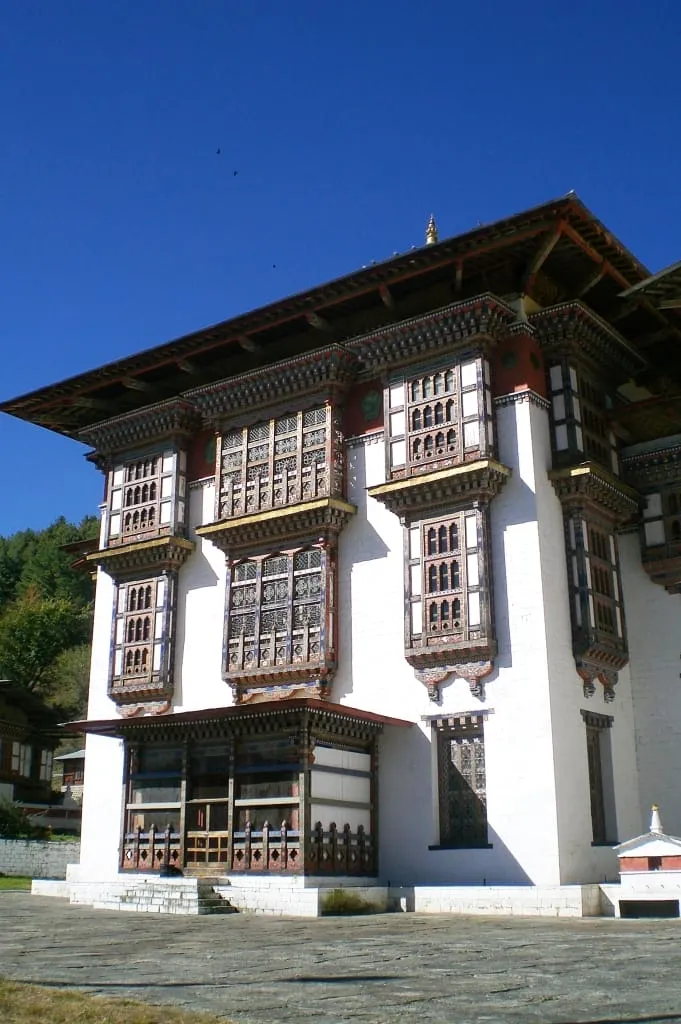
| Kurjey Lhakhang | 45 mins–1 hr | Level between three temples in one compound; the cave passage is narrow and low | Jun (Kurjey Tshechu); Mar–May, Sep–Nov |
| Tamshing Monastery | 30–45 mins | Across the river from Kurjey; steps into the temple, and the chain mail is 25 kg | Sep–Oct (Phala Chhoepa); year-round otherwise |
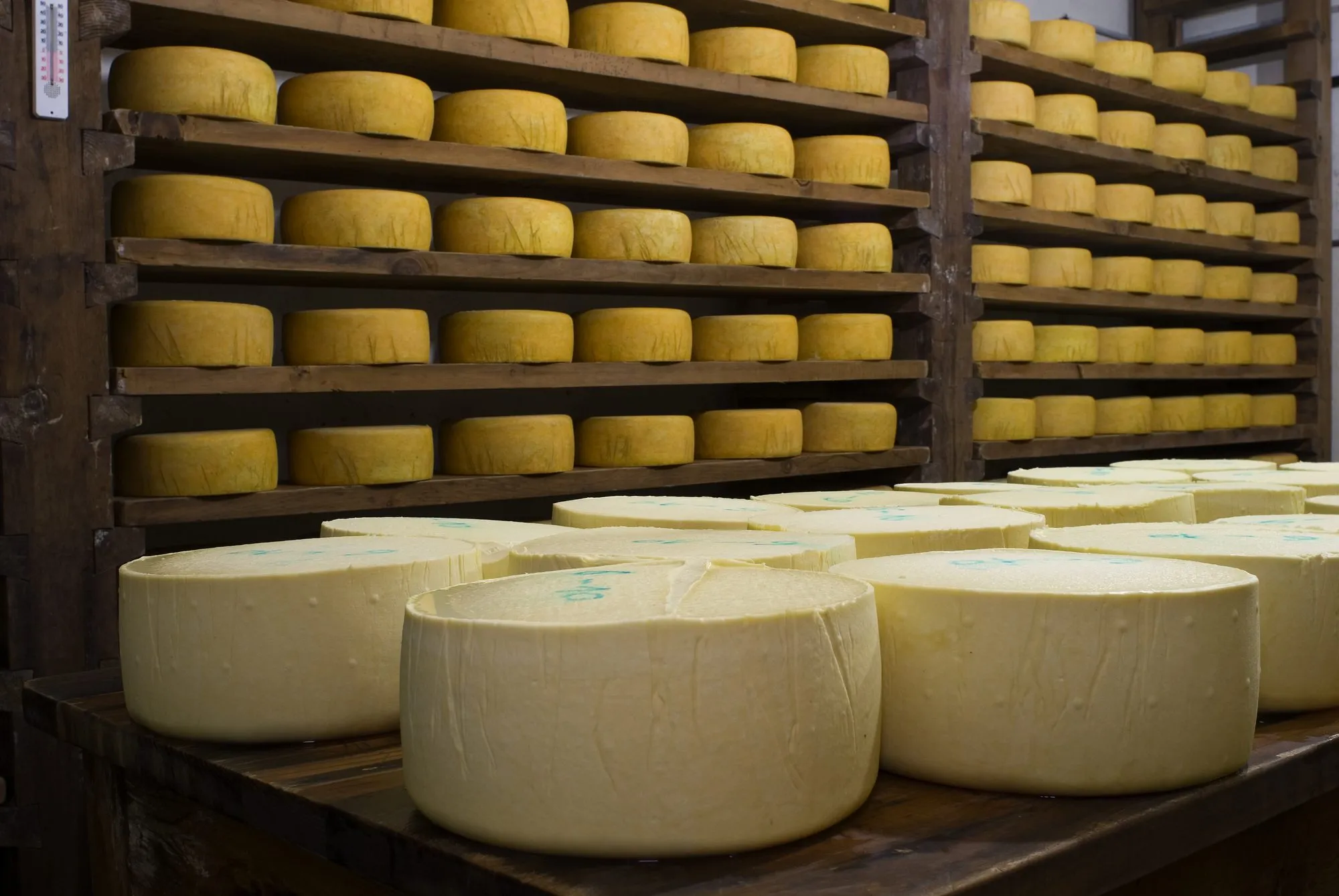
| Swiss cheese factory | 20–30 mins | A shop on the flat, in Chamkhar | Year-round — ask us whether it's open |
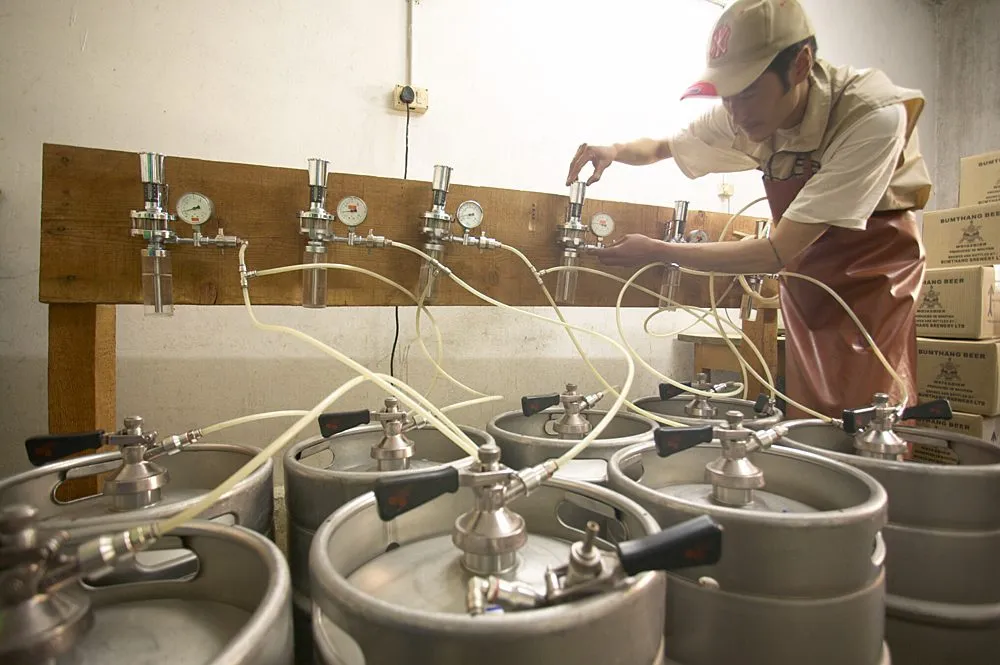
| Red Panda brewery | 20–30 mins, the same stop as the cheese | Level; a small working brewery | Year-round — ask us whether tours are running |
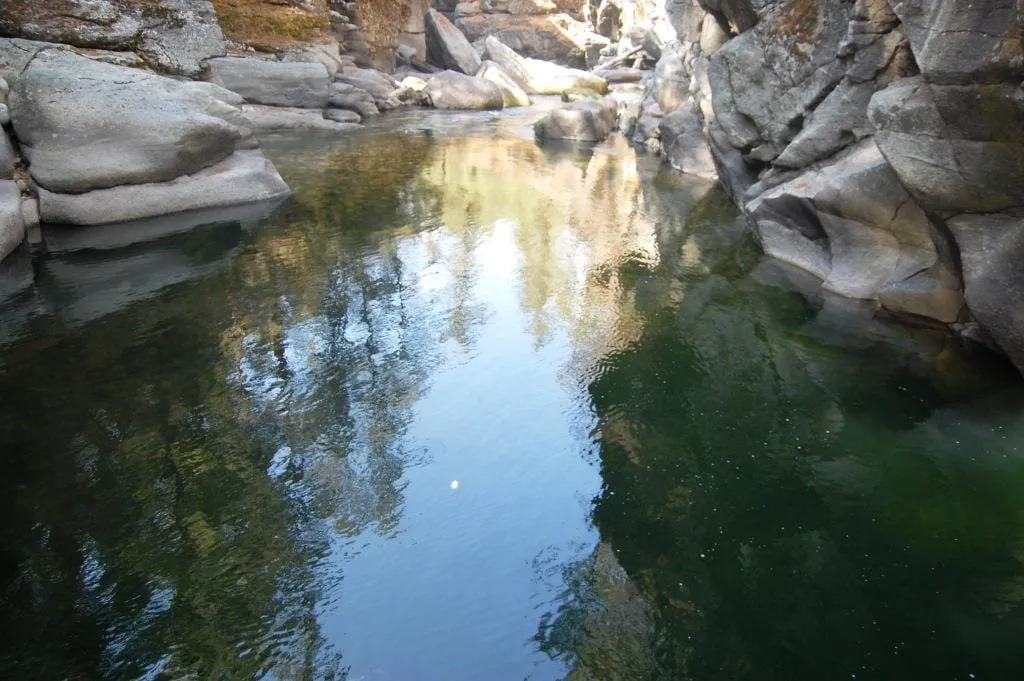
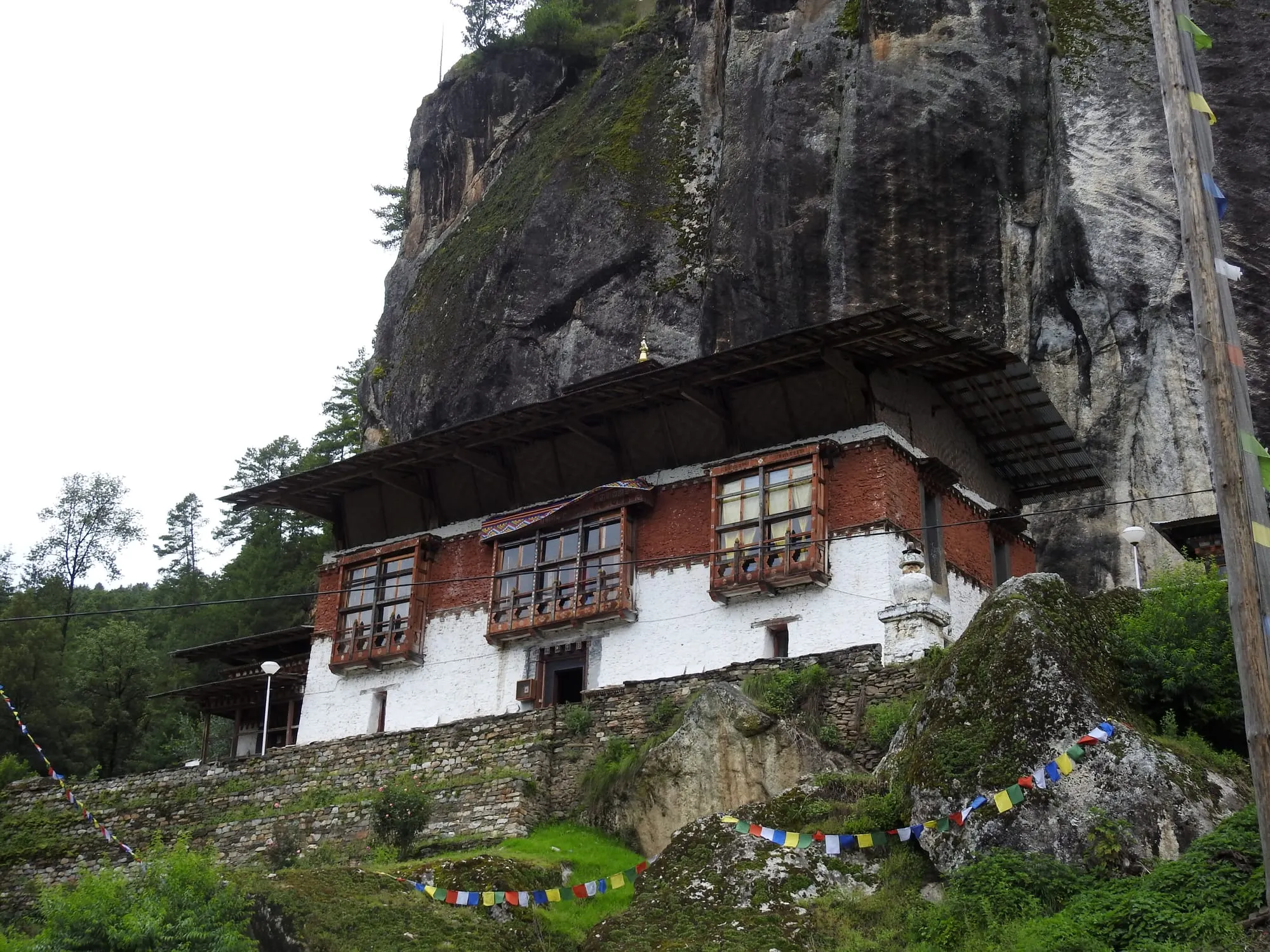
| Mebartsho (Burning Lake) | 30–45 mins | 5 mins down from the road into a gorge; polished wet rock, no railings | Year-round; the gorge is in shadow early and late |
| Ta Rimochen | 30–45 mins | A short walk up from the Tang road, then steps at the temple | Mar–May, Sep–Nov |
| Pema Choeling Nunnery | 30–45 mins | Level site — but it is a working residential college | Ask us — term time only |
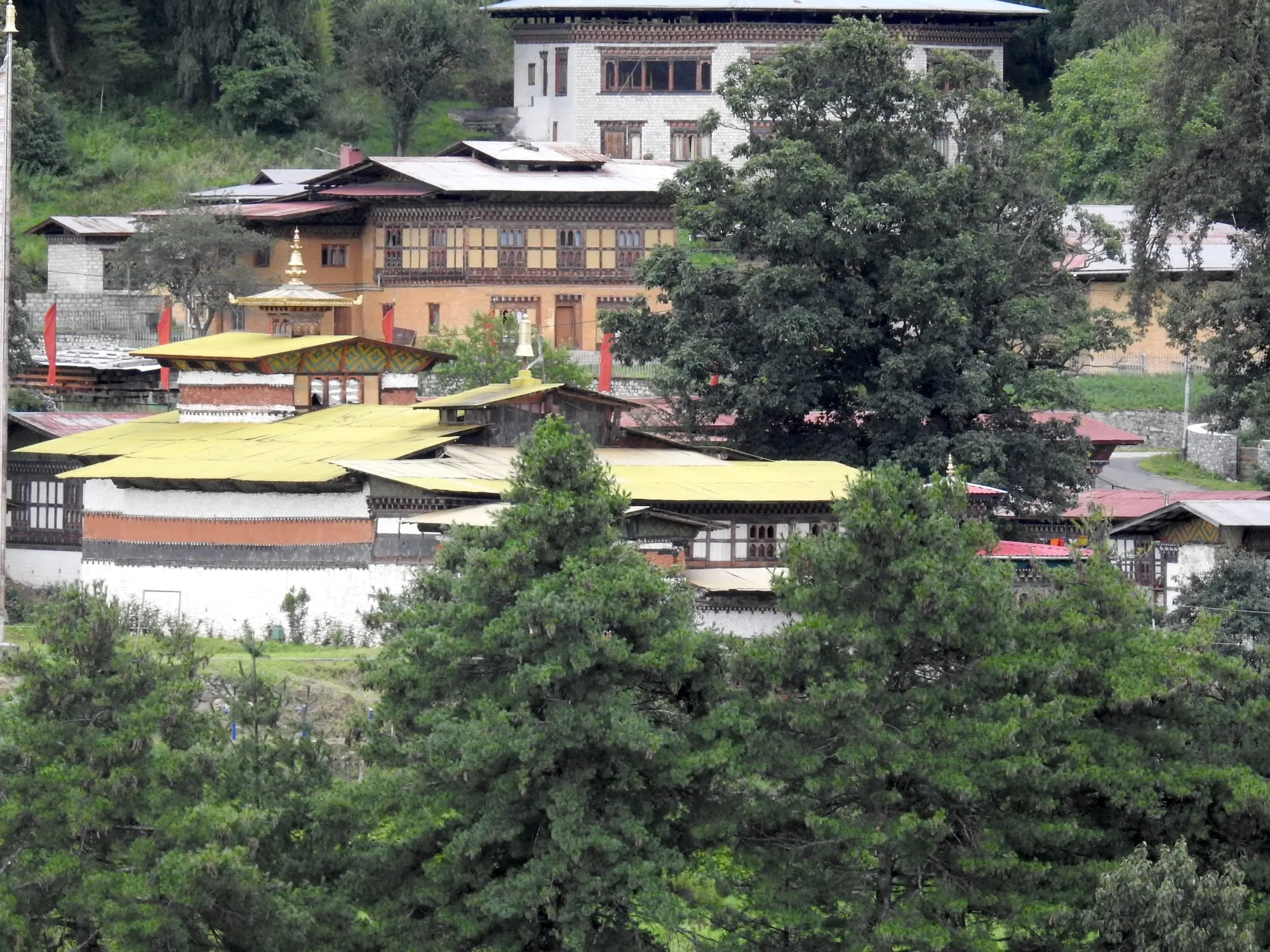
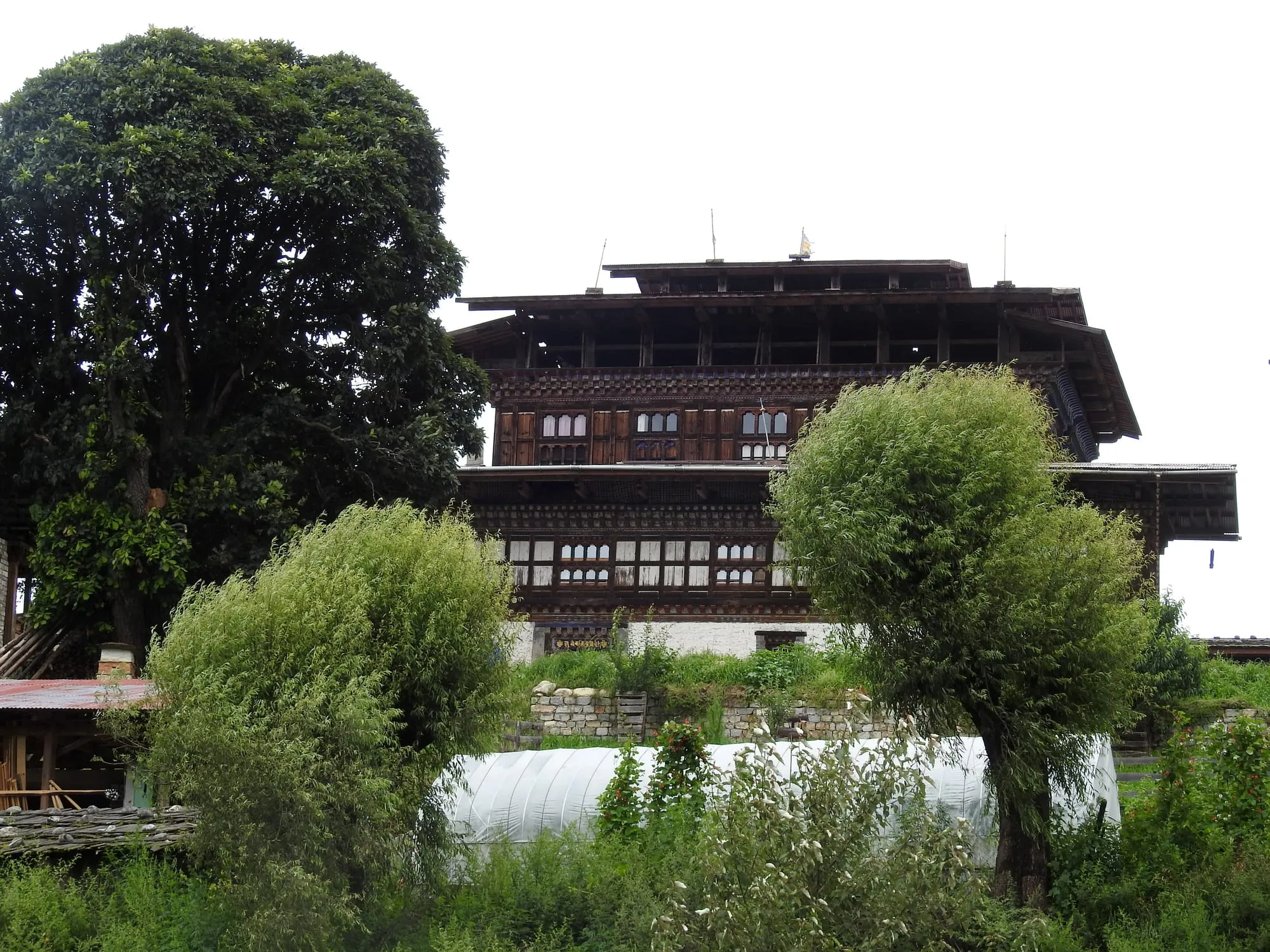
| Ogyen Choling | 1.5–2 hrs incl. the drive | About an hour from Jakar, then a walk up to the manor | Ask us — privately run, no published hours |
| Tharpaling Monastery | 2.5–3 hrs incl. the drive | A rough feeder road up from Gyetsa, often cut in the monsoon; 3,600 m | Mar–Jun, Oct–Dec — not in the monsoon |
| Nimalung Dratshang | 45 mins–1 hr; a full day for the tshechu | Level monastery compound in Chumey | June (Nimalung Tshechu); Mar–May, Sep–Nov |
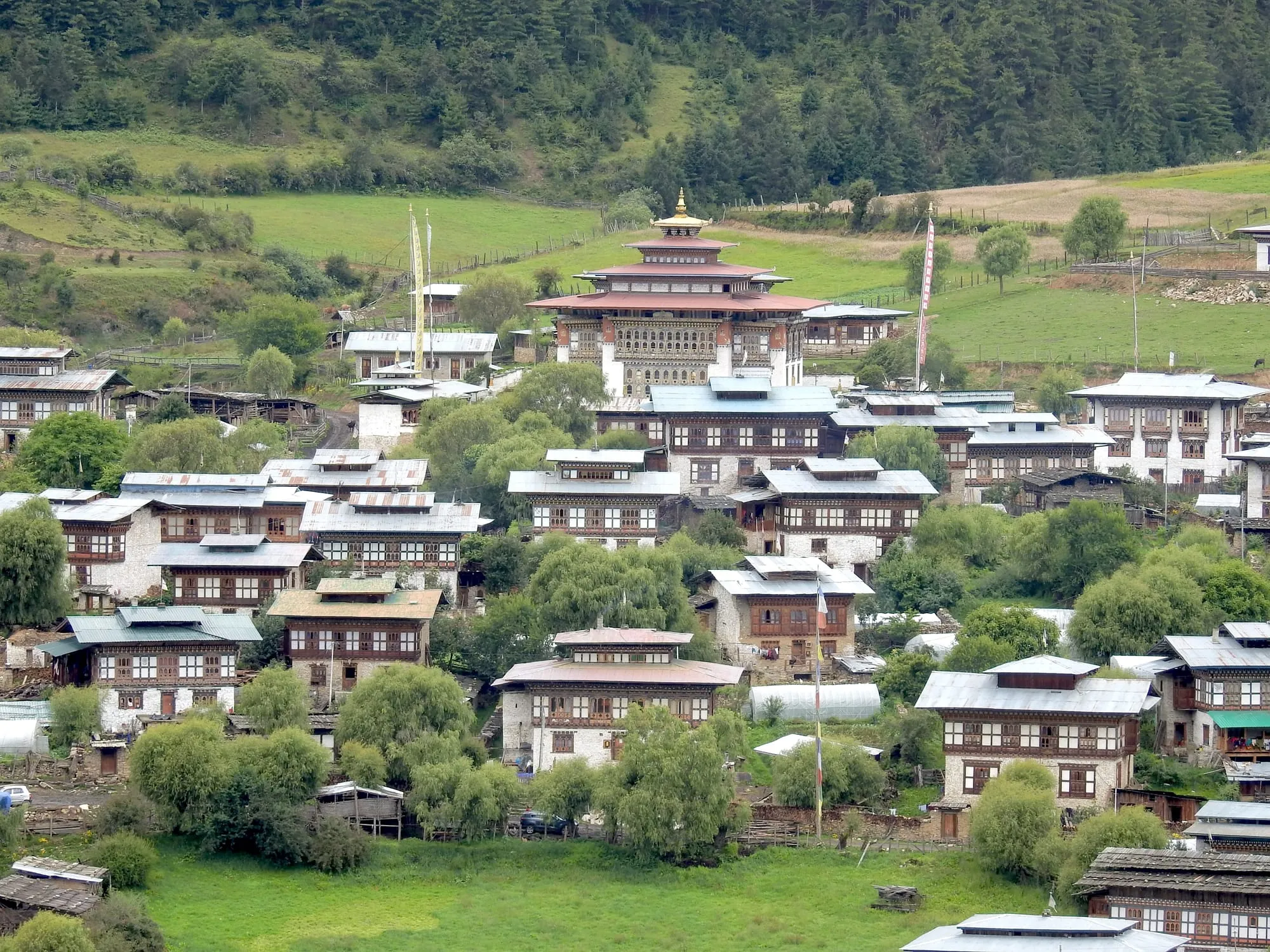
| Ura and the Yakchoe | A day from Jakar; the festival runs five days | 48 km each way over a pass, to 3,090 m; the village is a level walk | Apr–May (Yakchoe); Sep–Oct for the valley |
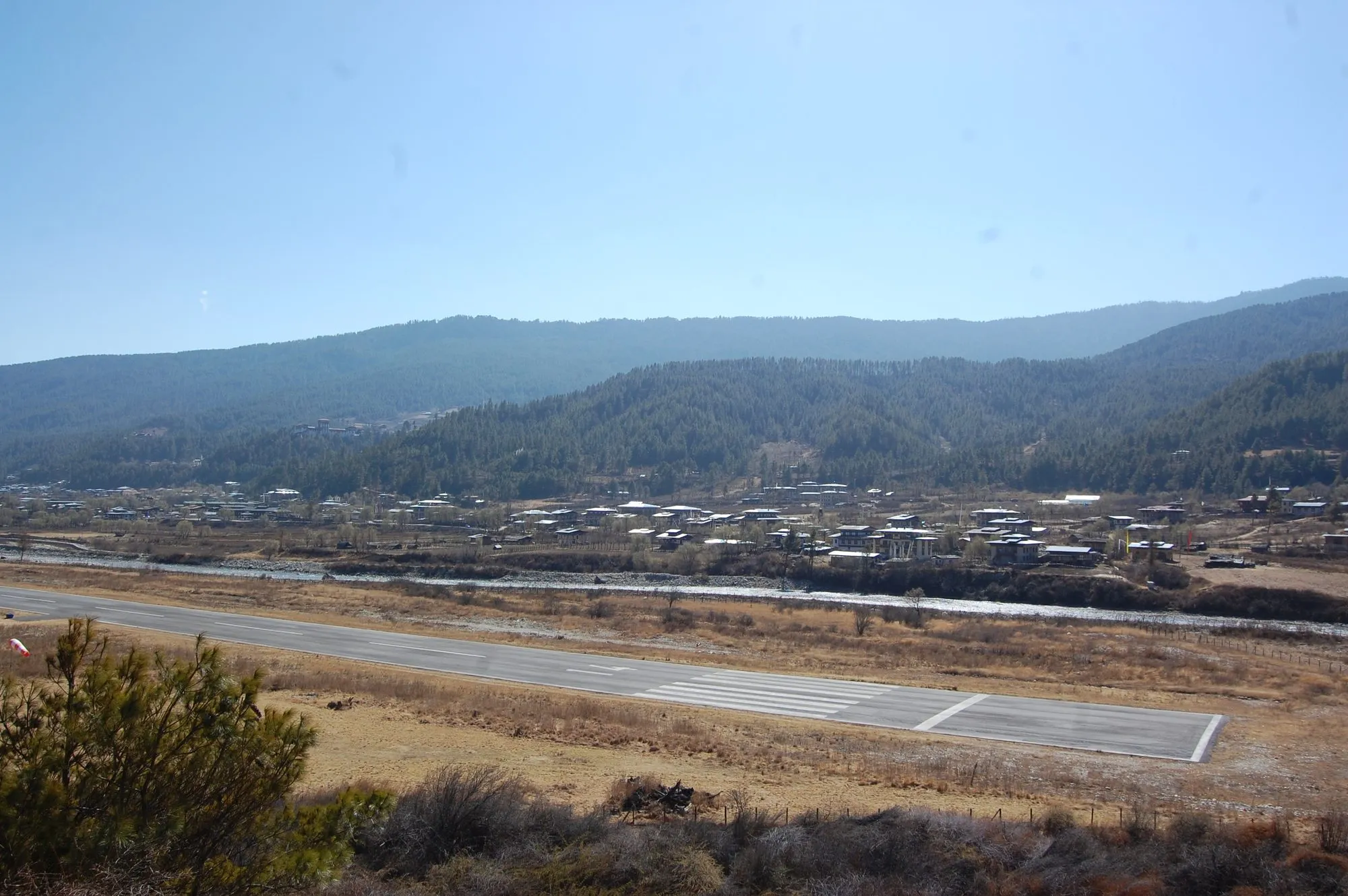
| Bathpalathang Airport | Not a sight — it's how most guests arrive | Level; a very small terminal | Ask us — the schedule is seasonal and weather-dependent |
Entrance fees are included in every tour we run, so there's no ticket window to queue at and no cash to carry at any of them. Three of the fifteen — Jakar Dzong, Jampey and Kurjey — charge nothing to anybody, and say so on their pages.
The four valleys, and how to choose
Everything in Bumthang is in one of four valleys, and the valley is the itinerary.
Choekor is where you sleep. Chamkhar town, Jakar Dzong on the ridge above it, Wangduechhoeling below it, and the string of temples running north up the valley — Jampey, Kurjey, Tamshing. This is the half-day nobody skips, and if you have one day in Bumthang this is it.
Tang is the best second day: Mebartsho about half an hour out of Chamkhar, then Ta Rimochen, the nunnery, and Ogyen Choling at the head of the valley. A full day, and the one that shows you what Bumthang is actually about.
Chhume is on the road in from Trongsa, which makes it the cheapest valley to add: Nimalung on the valley floor and Tharpaling high above it. If you are driving in from the west, do Chumey on the way through rather than doubling back.
Ura is the long one — 48 km east, over a pass, at 3,090 m — and the first thing most itineraries drop. It is also the only valley that shows you upland Bhutan above three thousand metres, and in autumn it is the best-looking place in the district.
What Bumthang is for
This is where Buddhism arrived in Bhutan. King Sindhu Raja lay dying, his life force taken by a local deity he had offended; Guru Rinpoche was summoned from Nepal, subdued the deity and restored the king — and the country converted. That happened at Kurjey, where the cave with the imprint of the Guru's body still is, and where the first three Kings of Bhutan were cremated.
Eight hundred years later Pema Lingpa (1450–1521) was born in the Tang valley and became the most important treasure-revealer Bhutan has produced. He proved himself at Mebartsho by diving into a river pool with a lit butter lamp and surfacing with the lamp still burning; he built Tamshing in 1501 and died there twenty years later. Half the district is his.
That concentration is why Bumthang is called the most sacred district in the country, and why pilgrims from all over Bhutan come to its nyes — its sacred sites — in a way they do not to Paro or Thimphu.
Four things to ask us about first
More than any district we have written up so far, Bumthang has sights where we genuinely don't know from a desk whether you can get in — and we would rather say so than publish a schedule we can't stand behind.
- Wangduechhoeling Palace Museum — the restoration finished in 2024 and it opened to the public in 2025. Nobody publishes its opening hours, its own website included.
- Ogyen Choling — a private house run as a museum by the family who own it, an hour up the Tang valley. Turning up unannounced is a real risk.
- Pema Choeling Nunnery — a residential college for about a hundred women and girls. "You can visit" is not ours to say from a desk.
- Tharpaling — the feeder road up from Gyetsa is often cut in the monsoon, and published drive times from Jakar range from half an hour to two.
Festivals — Bumthang has more than anywhere
More than any other district in Bhutan, and they are spread across the whole year rather than clustered in spring and autumn:
- Jambay Lhakhang Drup - 26–29 Oct 2026 / 14–17 Nov 2027. The mewang fire blessing and the midnight tercham.
- Jakar Tshechu - 6–9 Nov 2027, usually within a fortnight of the Drup.
- Nimalung Tshechu - 12–14 Jun 2027. One of the very few festivals in Bhutan in early summer.
- Ura Yakchoe - 18–22 Apr 2027, five days.
- Tamshing Phala Chhoepa - 10–12 Oct 2027.
- Kurjey Tshechu - a single day, 14 Jun 2027, two days after Nimalung.
All of them move with the lunar calendar. The Jambay Lhakhang Drup slides from late October in 2026 to mid-November in 2027, so check the Bhutan festival calendar before you build a trip around one, and book early: late October is the busiest fortnight of the Bumthang year.
Getting here
By road, from Trongsa in the west or Mongar in the east. Both are long, spectacular days, and the western one comes in through Chhume — so a Chumey stop costs you nothing on the way through.
By air, into Bathpalathang Airport in Chamkhar — about half an hour from Paro instead of most of a day on the road. The service is seasonal and weather-dependent, so ask us before you plan around it.
Bumthang is the last district of central Bhutan on the highway east, and the pivot between western and eastern Bhutan. Almost nobody goes further east without stopping here, and almost nobody should.
The valleys themselves
Bumthang district covers 2,717 km² with a 2017 census population of 17,820 — among the largest districts by area, and thinly settled for its size, though five dzongkhags have fewer people. Jakar sits at 2,470 m; Ura, six hundred metres higher at 3,090 m, gets nearly twice the rain (1,349.5 mm a year against Jakar's 759).
The name is usually read as bumpa + thang — the field shaped like the vessel of holy water that stands on an altar — though bum can equally be read simply as a girl. Both readings are told locally and neither is settled.
This is Bhutan's dairy and buckwheat country: too high and cold for the rice that feeds the west, so wheat, buckwheat, potatoes, apples, honey and cheese instead — and wool, which is why Bumthang is nationally known for its weaving — yathra and mathra, the thick patterned woollen cloth the Chumey valley is known for.
When to come
March to May and September to November for the weather. Late October if you want the two big festivals and don't mind the crowds. June if Nimalung is what you are coming for. Ura and Tharpaling are both high, both cold, and Tharpaling's road is unreliable in the monsoon.
Winter is cold, bright, very quiet, and the light in the Chamkhar valley is the best of the year.
Attractions in Bumthang
Tailor-made travel
Begin your journey to the Last Shangri-La
Every Little Bhutan itinerary is private and tailor-made. Tell us what draws you to Bhutan — festivals, treks, monasteries, food — and we will design the journey around it.