
Things to do in Central Bhutan
Central Bhutan is the middle of the country and the part you drive through on the way east: Trongsa, where the monarchy comes from, and Bumthang's four sacred valleys, with three quieter districts below them. Central here is how our itineraries group the twenty dzongkhags.
Which districts count as central Bhutan
On this site, central Bhutan means five dzongkhags: Trongsa, Bumthang, Zhemgang, Tsirang and Sarpang.
The grouping is by road and by itinerary, not by climate, and this is the region where that shows. Trongsa and Bumthang are high valleys on the lateral highway. Zhemgang, Tsirang and Sarpang are southern: hill country and plains running down to the Assam border, warm enough that you pack for humidity rather than for altitude. Zhemgang's own dzongkhag administration describes itself as south-central, and our page for it uses the same words. What the five share is the drive — you reach all of them on the roads that cross the middle of the country.
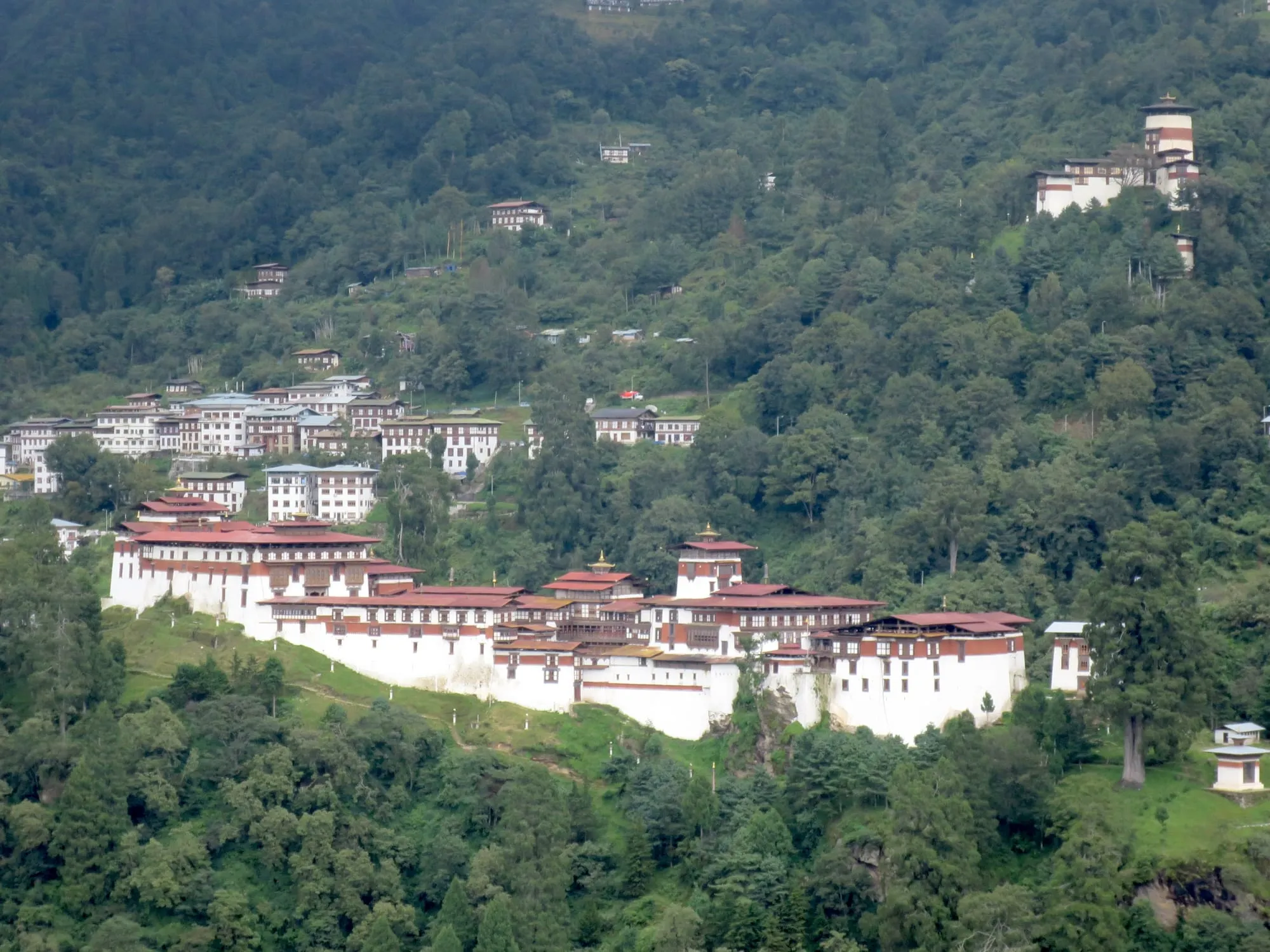
Trongsa is where the Bhutanese monarchy comes from. Every King has held the title of Trongsa Penlop before taking the throne, the first two ruled the country from the dzong here, and the geographic centre of Bhutan falls inside the district. The dzong and the Royal Heritage Museum in its watchtower are one of the best half-days in the country.
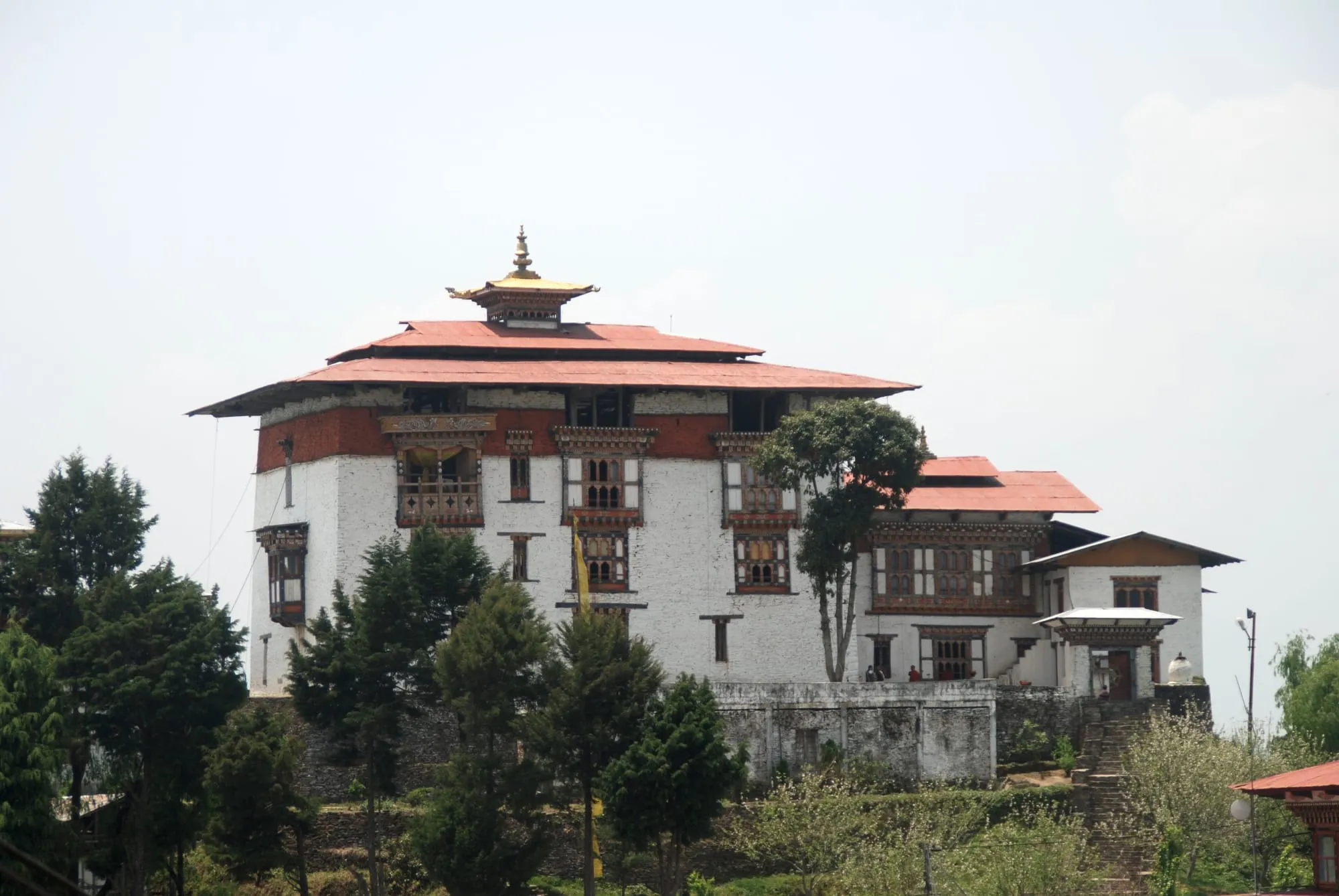
Bumthang is four valleys, not one — Choekor, Tang, Chhume and Ura — and it is the religious heartland: where Guru Rinpoche healed King Sindhu Raja and where Pema Lingpa was born and made his discoveries.
The other three are for people who want the country rather than the set-pieces. Zhemgang was once called Kheng and holds parts of two national parks, including Royal Manas, the oldest protected area in Bhutan — a district for naturalists. Tsirang is Bhutan's smallest dzongkhag, gentle and farmed, with Damphu on the highway up from the border. Sarpang is the plains district facing Assam, where Gelephu has the airport and the site of Gelephu Mindfulness City.
How many days does it take
Central Bhutan is usually the second half of a western trip rather than a trip of its own.
Our western and central itinerary is eight nights and reaches Trongsa and Bumthang; so does the photography tour, over the same ground with different stops. Give Bumthang two nights for the Chamkhar cluster and one other valley, three if you want Tang or Chumey properly, and four if Ura is in it. Trongsa is a half-day, plus whatever the drive in gives you.
The southern three take a longer trip to reach. Zhemgang, Tsirang and Sarpang are all on our bird-watching tour, which runs twenty-four nights, and on the motorbike tour at fourteen. Tsirang and Sarpang are places you sleep in on the way through rather than travel to.
How you get around
The lateral highway is the spine, and the distances mislead — plan by hours.
Punakha to Trongsa is 141 km and about four to four and a half hours, which is the long day that gets you out of the west. Trongsa to Bumthang is 67 km and about two to two and a half hours. Carrying on east, Bumthang to Mongar is 183 km and about six and a half to seven hours — the long day that puts you in the east.
The southern three are reached from the border side instead: Gelephu in Sarpang has a domestic airport, and the road north from it runs through Tsirang towards the valleys. Full drive times are in our getting to Bhutan guide.
When to come
The five do not share a season, which is the honest answer.
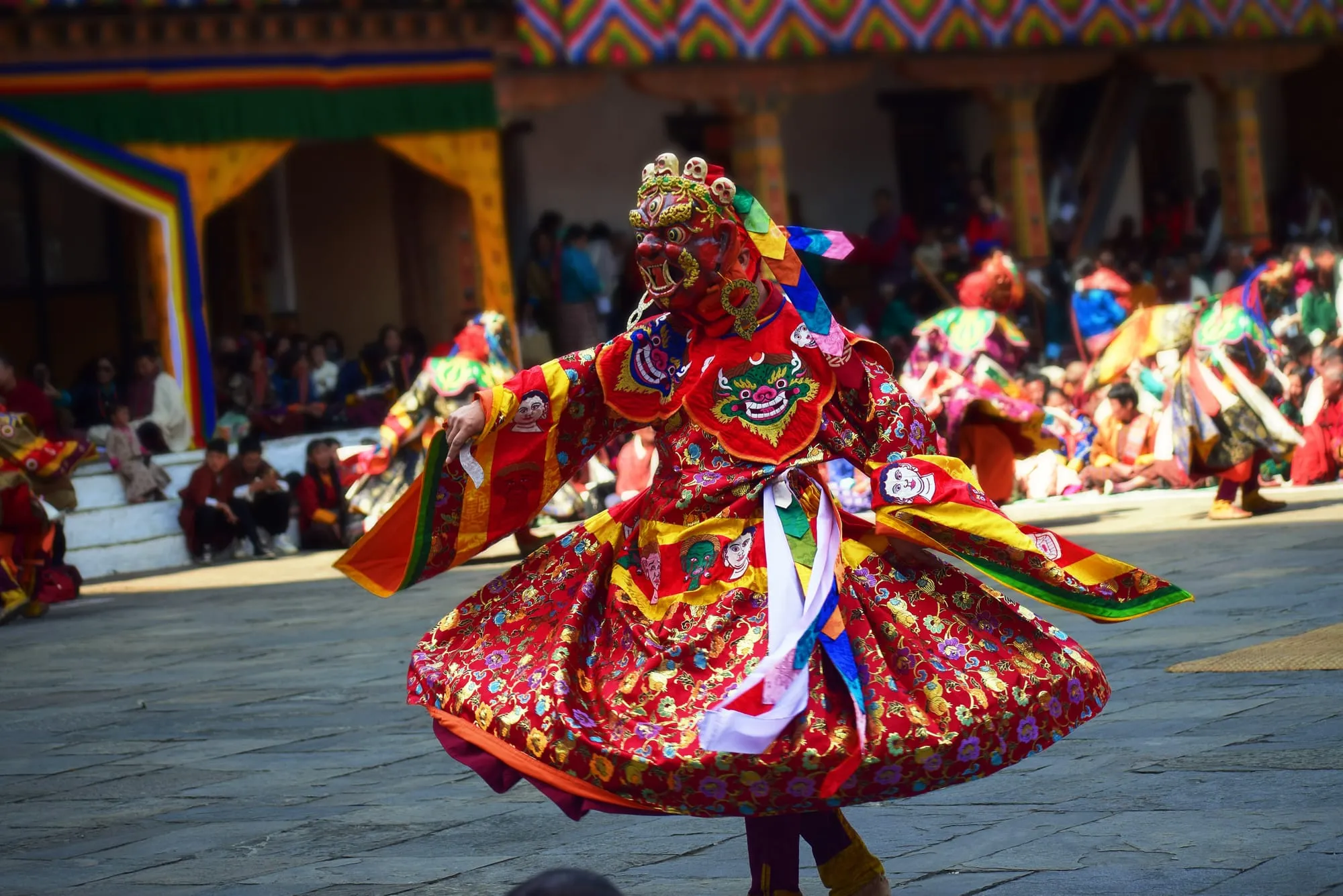
For Trongsa and Bumthang, March to May and September to November — the weather and the light — with the big Bumthang festivals in late October and the Trongsa Tshechu in December or January. For Zhemgang and Sarpang, November to March: they are low, southern and subtropical. Tsirang sits between the two at about 1,570 m and is comfortable October to April.
The monsoon runs June to August everywhere in this list, and it is heaviest in the south, where it makes both the driving and the walking hard work. See when to visit Bhutan for the month-by-month version.
Districts in Central Bhutan
Tailor-made travel
Begin your journey to the Last Shangri-La
Every Little Bhutan itinerary is private and tailor-made. Tell us what draws you to Bhutan — festivals, treks, monasteries, food — and we will design the journey around it.