
Things to do in Haa
Haa is the valley on the far side of Chele La from Paro, and it was closed to foreign tourism until 2002 — which is why it still feels like somewhere you found rather than somewhere you booked. Bhutan itself opened in 1974, so the valley spent twenty-eight years open to its own country and shut to everyone else's. One full day does it; two if you want a walk and a festival.
Things to do in Haa, compared
| Attraction | Time needed | Legwork | Best season |
|---|---|---|---|
| Chele La Pass | 30–45 mins at the pass | Step-free from the car park — and you still feel the altitude | Oct–Feb for the mountains; Apr–Jun for the flowers |
| Lhakhang Karpo & Nagpo | 45 mins–1 hr | Level valley-floor site; steps into the temples, a short climb to the black one | Year-round |
| Juneydrak Hermitage | 1.5–2 hrs | A 40-min to 1-hr climb to a cliff hermitage, each way | Mar–May, Sep–Nov |
| Chhundu Lhakhang | 30–45 mins | 11 km north of Haa; road access, steps into the temple | Year-round |
| Haa Tshechu | Three days of dances. Go for one | Hours on a stone courtyard | 19–21 Oct 2026 / 6–8 Nov 2027 |
| Haa Spring Festival | Three days long; a day does it, two with the valley | An open field; level, but little seating and no shade | April: 25–27 Apr in 2027 |
| Ap Chundu Soka | A full day, starting before dawn | A long procession on foot between six sites | Late autumn — ask us for the date |
| Lomba, the Haa new year | An evening, if you are invited | None — this one is eaten | Late autumn, at harvest |
Entrance fees are included in every tour we run, so there's no ticket window to queue at and no cash to carry at any of them.
How to spend a day here
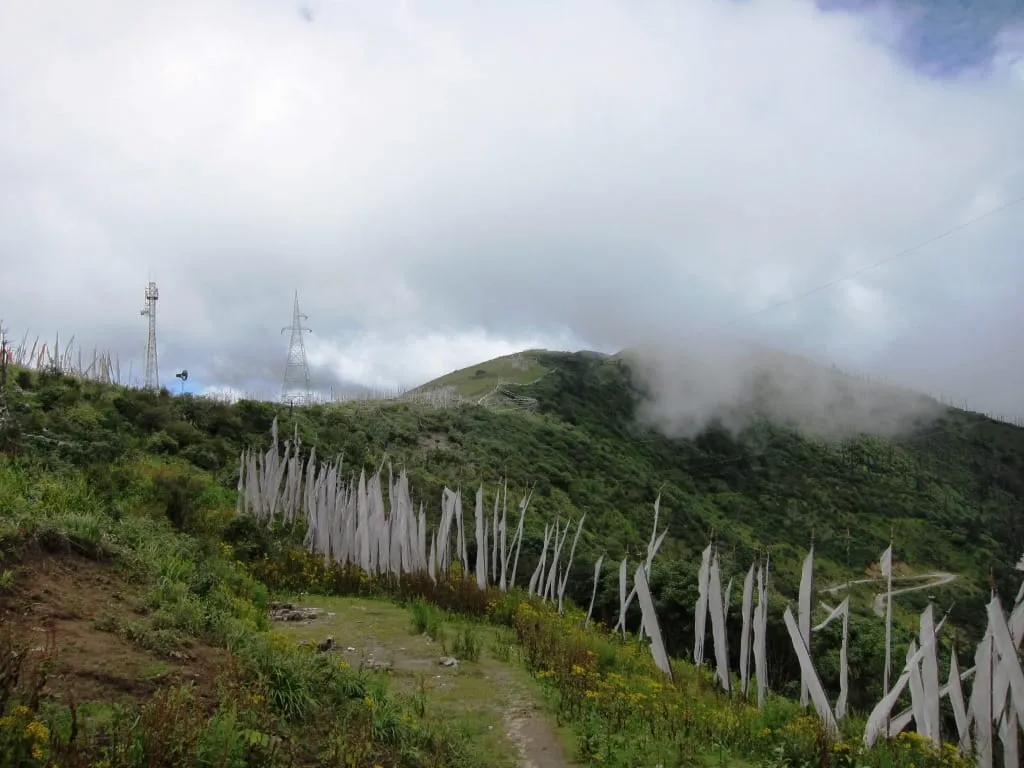
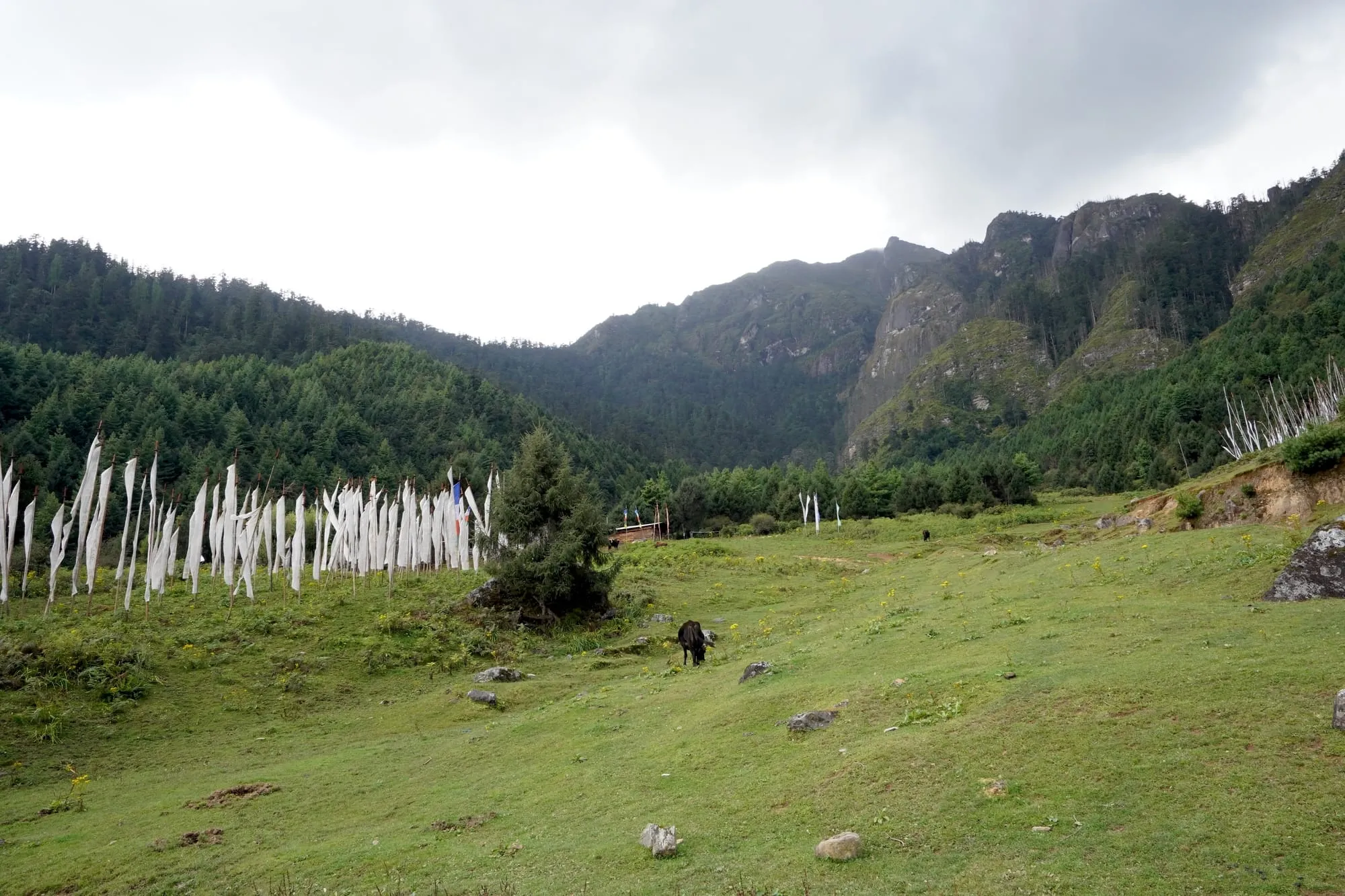
Come over Chele La from Paro. It is about an hour and a half up from the Paro valley floor — 35 km one side of the pass, 26 km the other — and the drive is the introduction: blue pine into fir, switchbacks, a hillside of prayer flags at the top, and on a clear morning Jomolhari at 7,326 m.
The pass is published as 3,988 m and as the highest motorable point in Bhutan. Worth knowing that OpenStreetMap tags it at 3,800 m and two elevation models put the road itself near 3,790 m — either way, you step out of a car close to 4,000 m without walking anywhere, which makes it the most generous high place in the country.
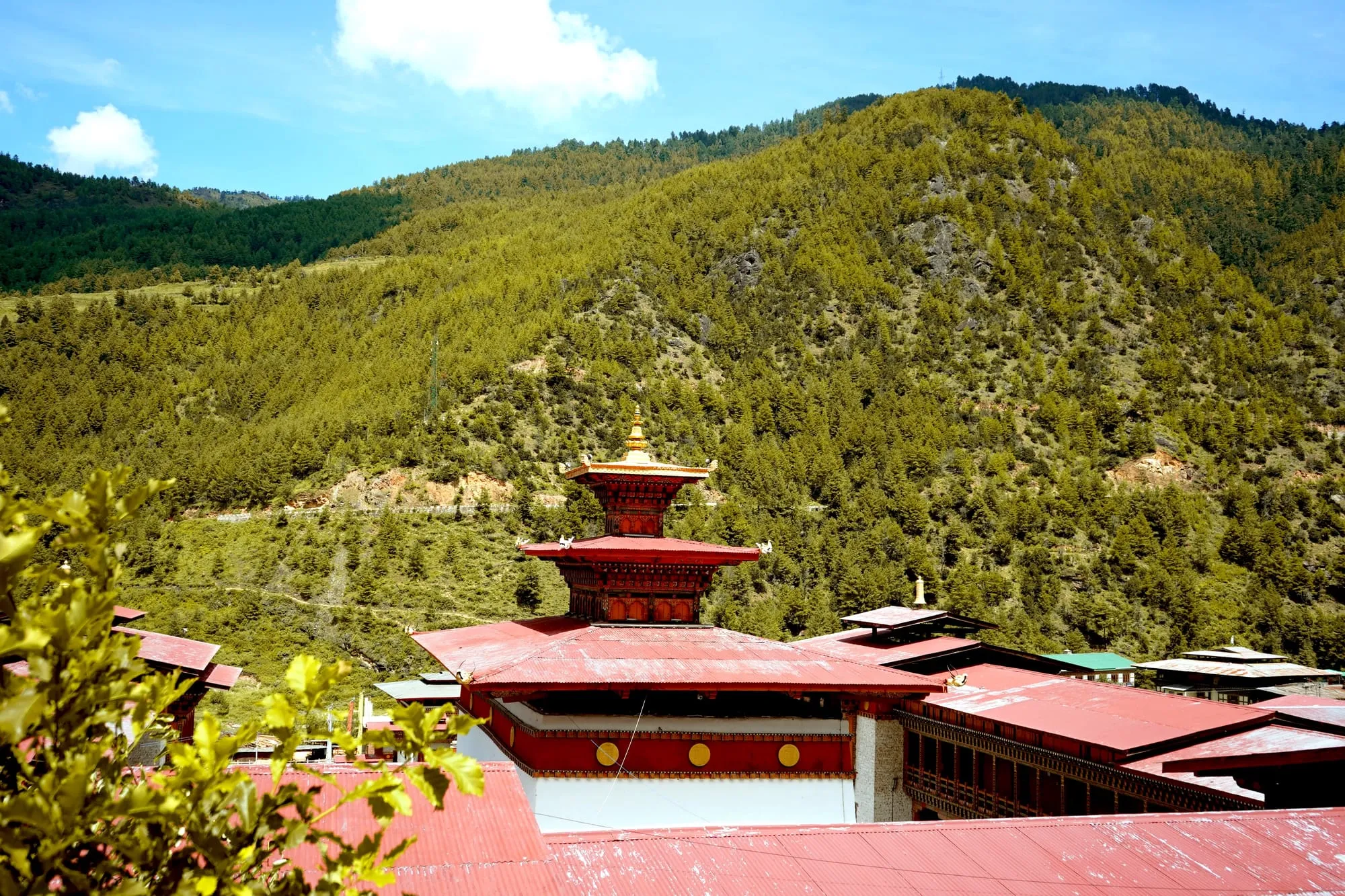
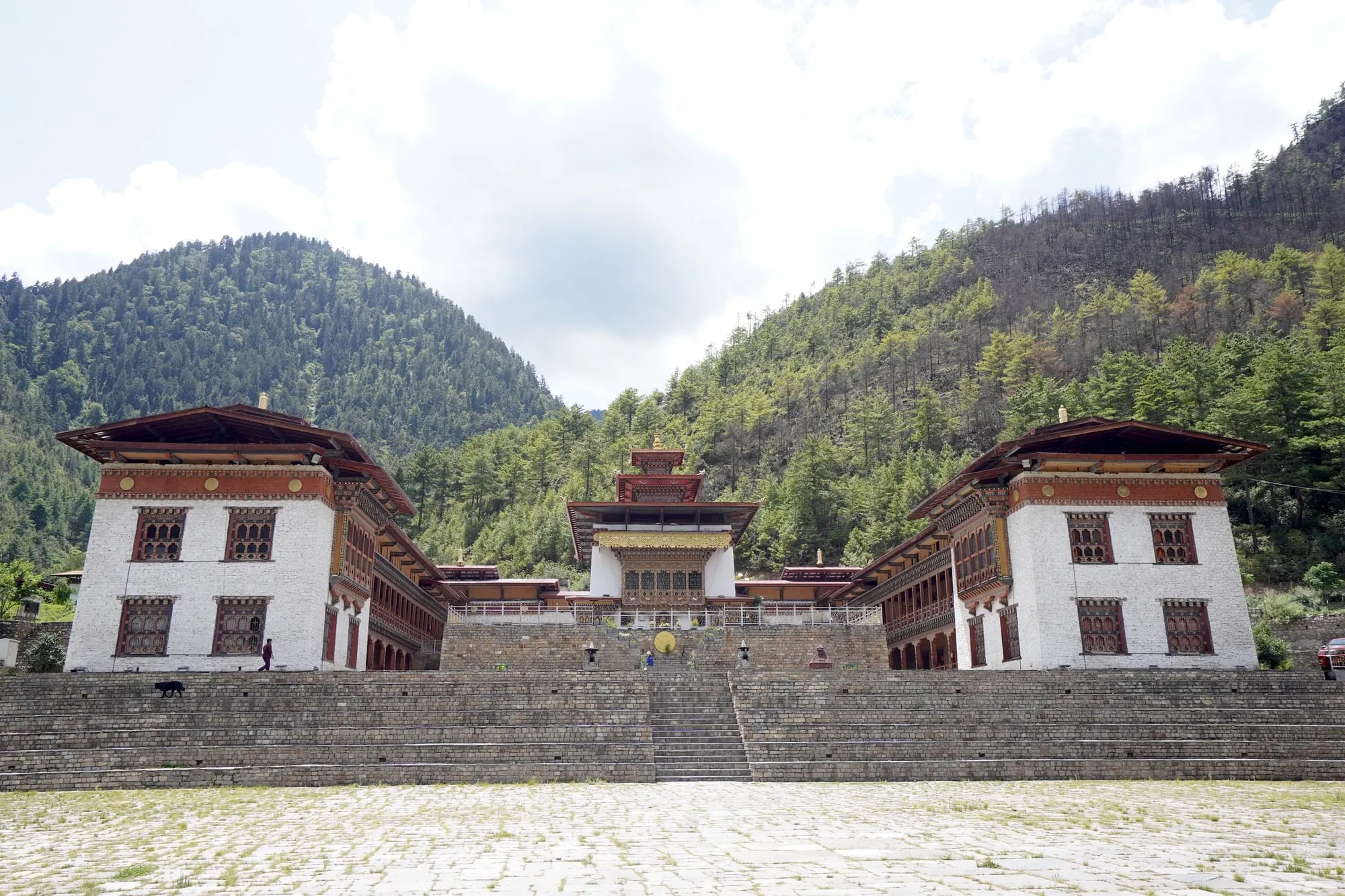
Down in the valley, the two temples at the southern entrance — Lhakhang Karpo, the white, and Lhakhang Nagpo, the black, about 280 m apart — are the fixed point of any Haa day. Tradition has the Tibetan emperor Songtsen Gampo releasing a white and a black pigeon and building where each landed; Bhutanese sources normally count them, with Kyichu and Jampey, as four of his 108 temples in this country. The white temple you walk into is much newer than that: it was rebuilt between 2010 and 2017 and is the seat of Haa's monk body.
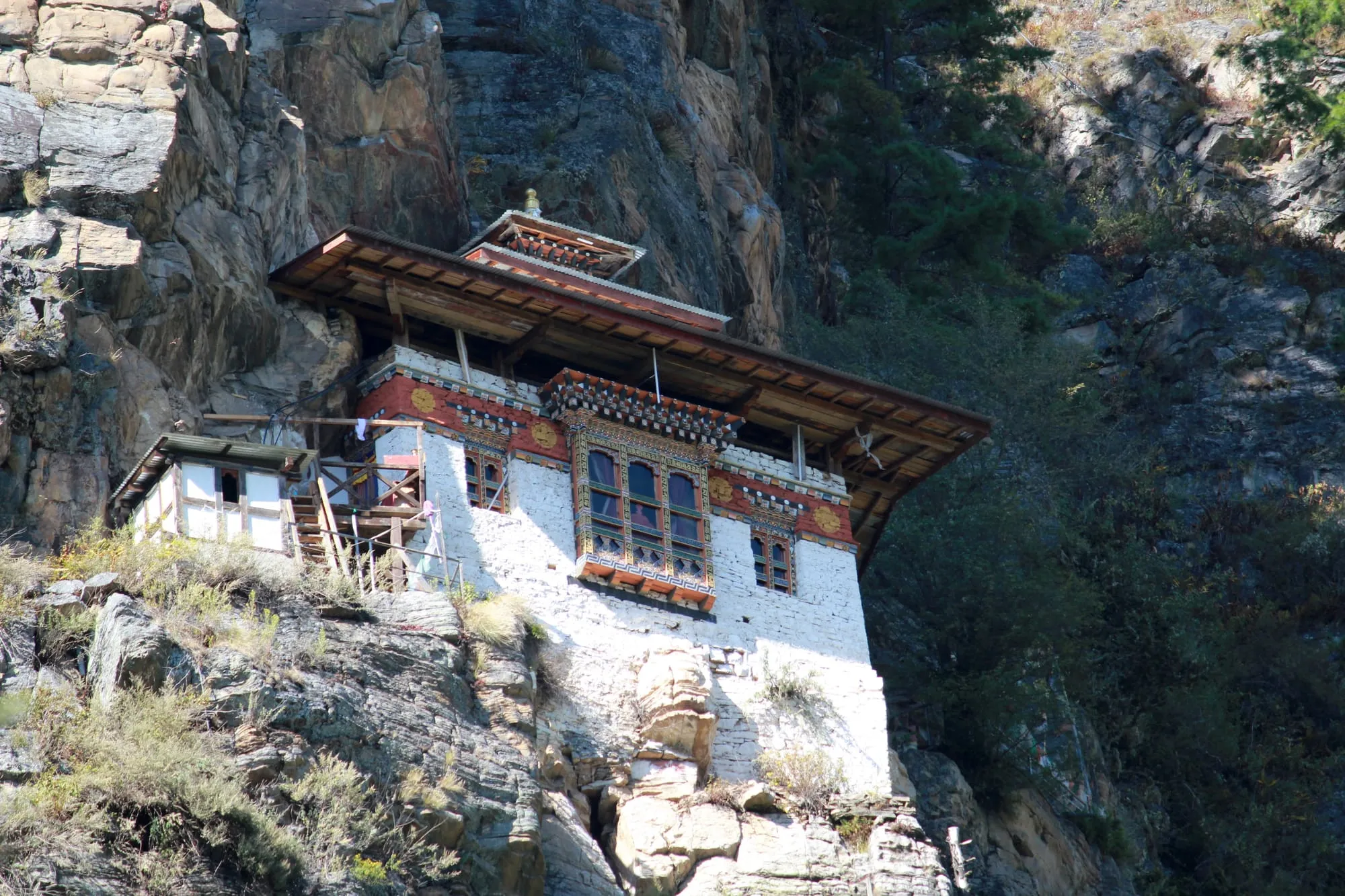
If you want a walk, Juneydrak is forty minutes to an hour up to a hermitage holding a footprint of Machig Labdrön (1055–1149), who founded the Tibetan lineages of chöd — the practice in which you visualise your own body being cut up and given away. It is on a cliff because the practice needs a cliff. A trail continues to Katsho Goenpa above.
Why nobody grows rice here
Because Ap Chundu lost a fight, which is a better answer than the geography one — and then the geography turns out to have a twist in it too.
Haa's guardian deity was banished here by the Zhabdrung after an altercation with Ap Gyenyen of Thimphu, and a further quarrel with Paro's Jichu Drakye ended with Paro stealing Haa's water. Hence no rice, in a valley whose name is read as a hidden rice valley. The Haaps still make their annual offering to him at Ap Chundu Soka, a procession that starts before dawn and works through six sites up the valley; it may be the longest chipdrel in the country. The yak that used to be sacrificed at it stopped being sacrificed in 2013, after the deity's permission was sought by dice.
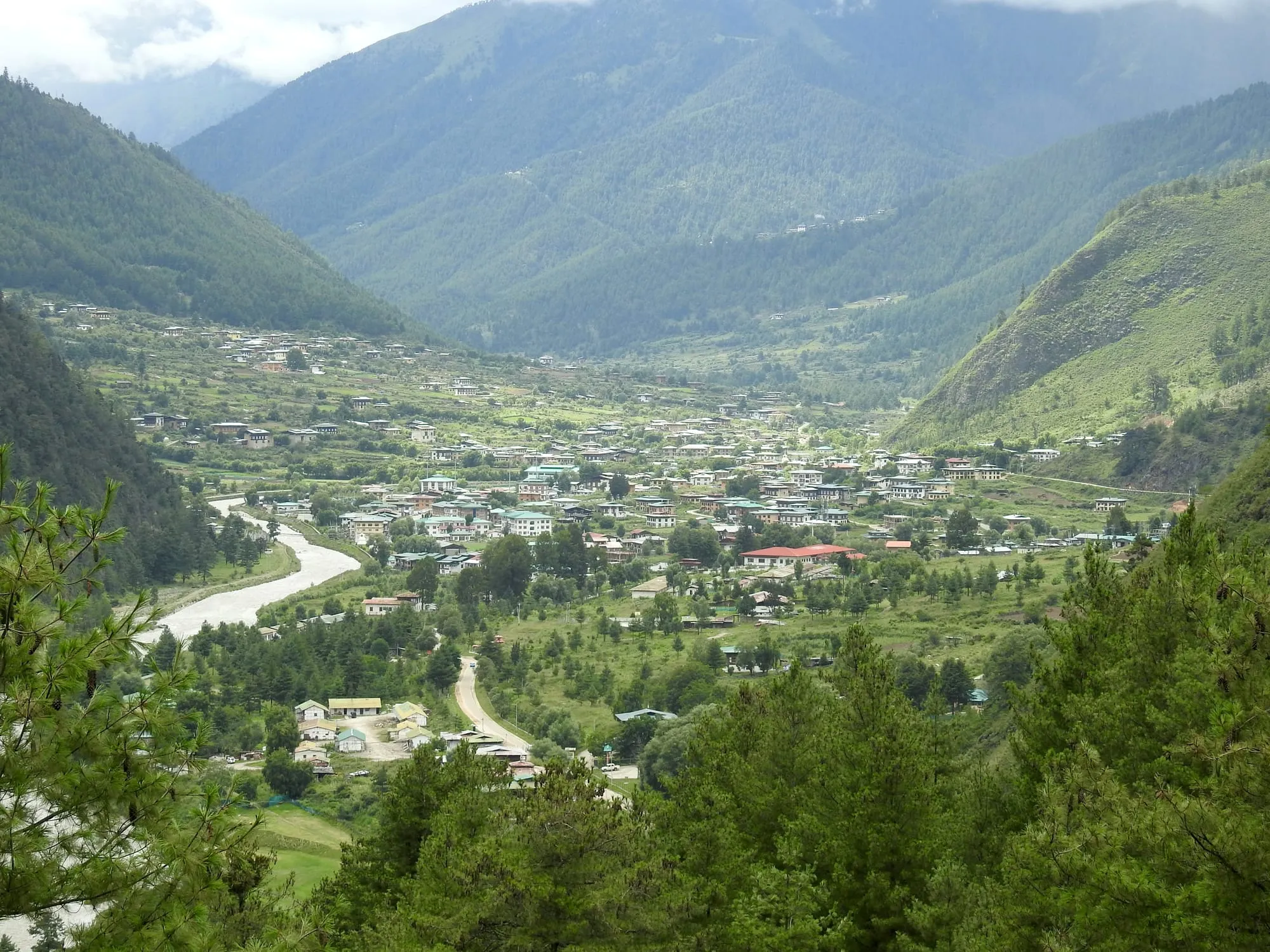
The qualifier: rice does grow in Haa — in the district's lower reaches, which run south into subtropical country. The legend explains the upper valley, at about 2,700 m, which is the part you will see and the part where paddy will not grow.
The valley itself
1,899 km² by the dzongkhag's own count, six gewogs, and around two percent of it cultivable as of 2018. Almost all of the Jigme Khesar Strict Nature Reserve is in Haa — Bhutan's only protected area in that category. The Department of Forests and Park Services puts 99 per cent of it here, in five of Haa's six gewogs, with a small part reaching south into Samtse. The reserve is the natural home of Meconopsis superba, the white poppy that grows nowhere else in the world. It is rare, endangered, and found between 3,900 and 4,400 m, so treat any promise of poppy fields on the way up Chele La with suspicion.
Three peaks stand over the valley — Meri Puensum, read as compassion, wisdom and power — and Ap Chundu is held to be a manifestation of the third of them. Haa Wangchulo Dzong, built in 1915, is one of the newest dzongs in Bhutan; it sits inside the military area and is not a stop, though the Ap Chundu procession halts there.
When to come
Four answers, depending on why.
- April, for the festival. The Haa Spring Festival, three days of highland culture at Yangthang. Note that this was the Haa Summer Festival, in July, until the dzongkhag moved and renamed it in 2024; some sites still sell July dates. The Haa Spring Festival journey is built around it.
- October or November, for the tshechu. The Haa Tshechu in the Lhakhang Karpo courtyard, 19–21 October 2026 and 6–8 November 2027. It is the district's one festival on the trade festival schedule. It falls a month after Wangdue's and Thimphu's, so an autumn trip can take a big tshechu and this one.
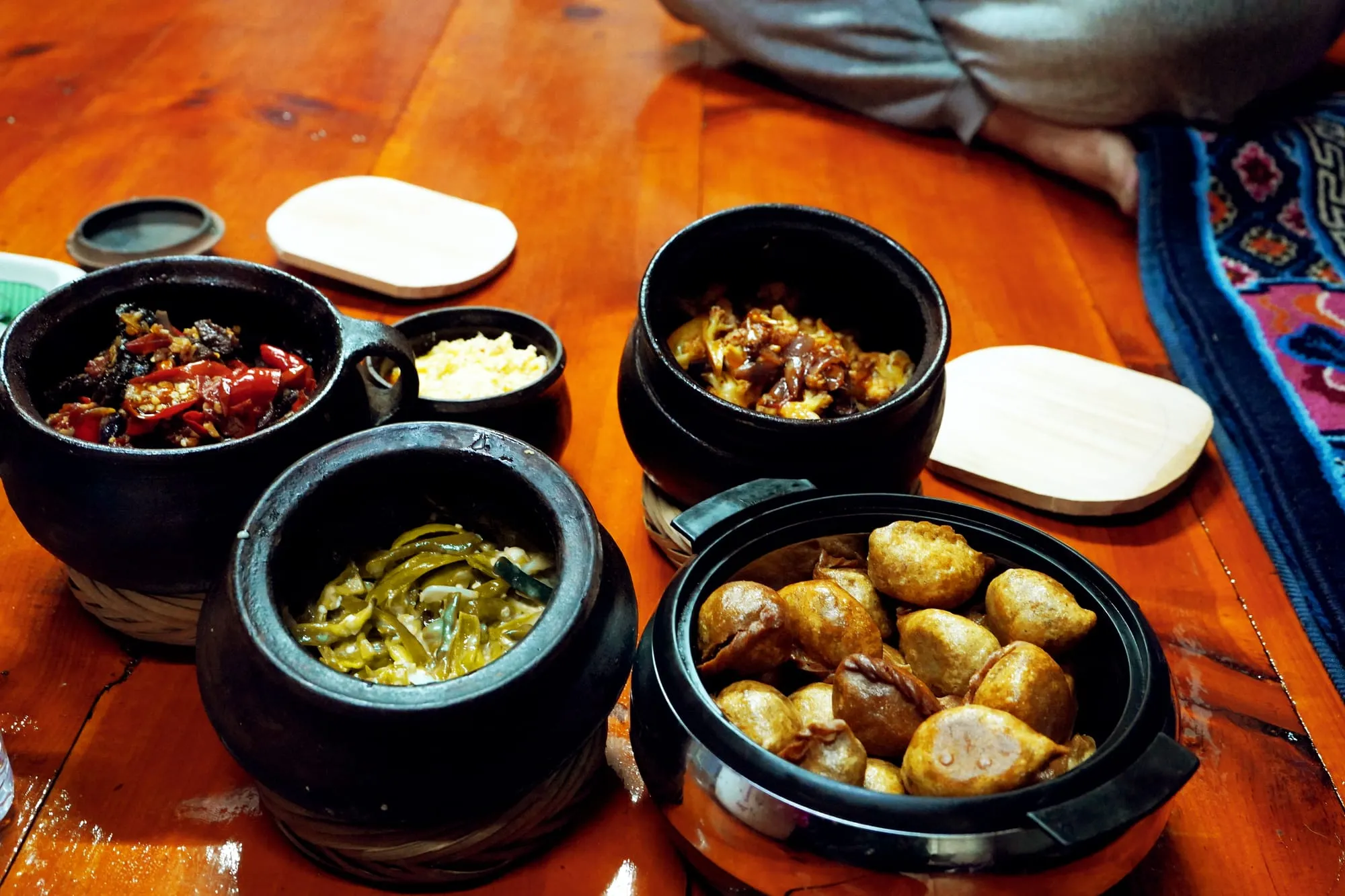
- Late autumn, for the valley's own rites. Ap Chundu Soka, and Lomba, the Haa and Paro new year, when everyone makes hoentay (buckwheat dumplings with turnip greens and cheese) and the valley shuts for the holidays.
- October to February, for the mountains. The clearest air on Chele La.
Festival dates move with the lunar calendar; the current ones are in the Bhutan festival calendar.
Attractions in Haa
Tailor-made travel
Begin your journey to the Last Shangri-La
Every Little Bhutan itinerary is private and tailor-made. Tell us what draws you to Bhutan — festivals, treks, monasteries, food — and we will design the journey around it.