
Things to do in Eastern Bhutan
Eastern Bhutan is the far side of the country: past Bumthang, down the long descent from the central valleys, or in on the short flight to Yonphula. It is the quieter end of Bhutan, and what is out here is weaving, highland villages and roads that take a day at a time. Eastern here is how our itineraries group the twenty dzongkhags.
Which districts count as eastern Bhutan
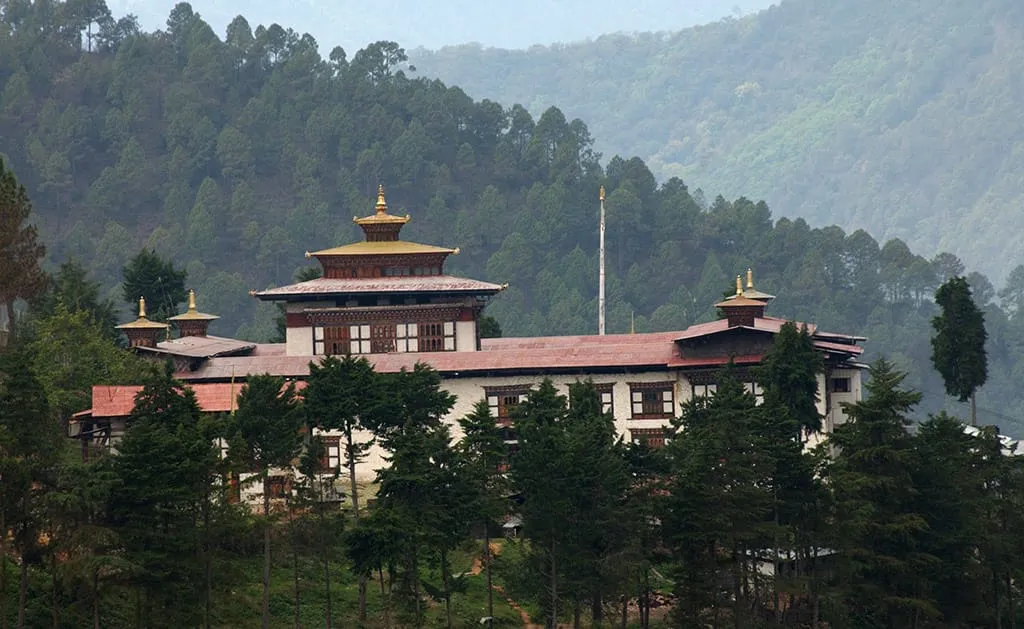
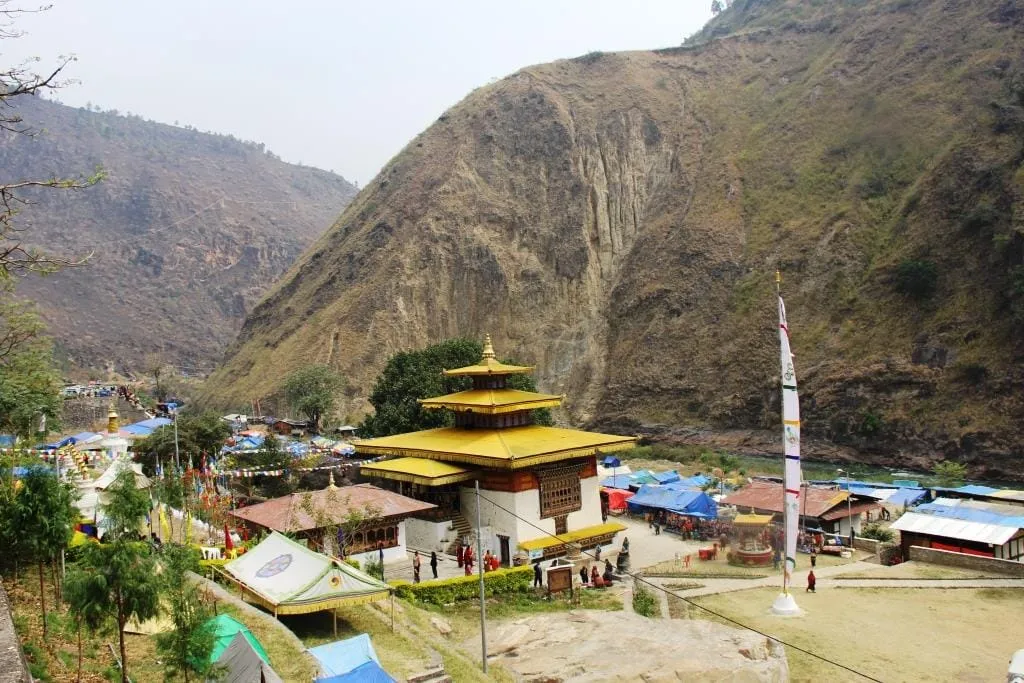
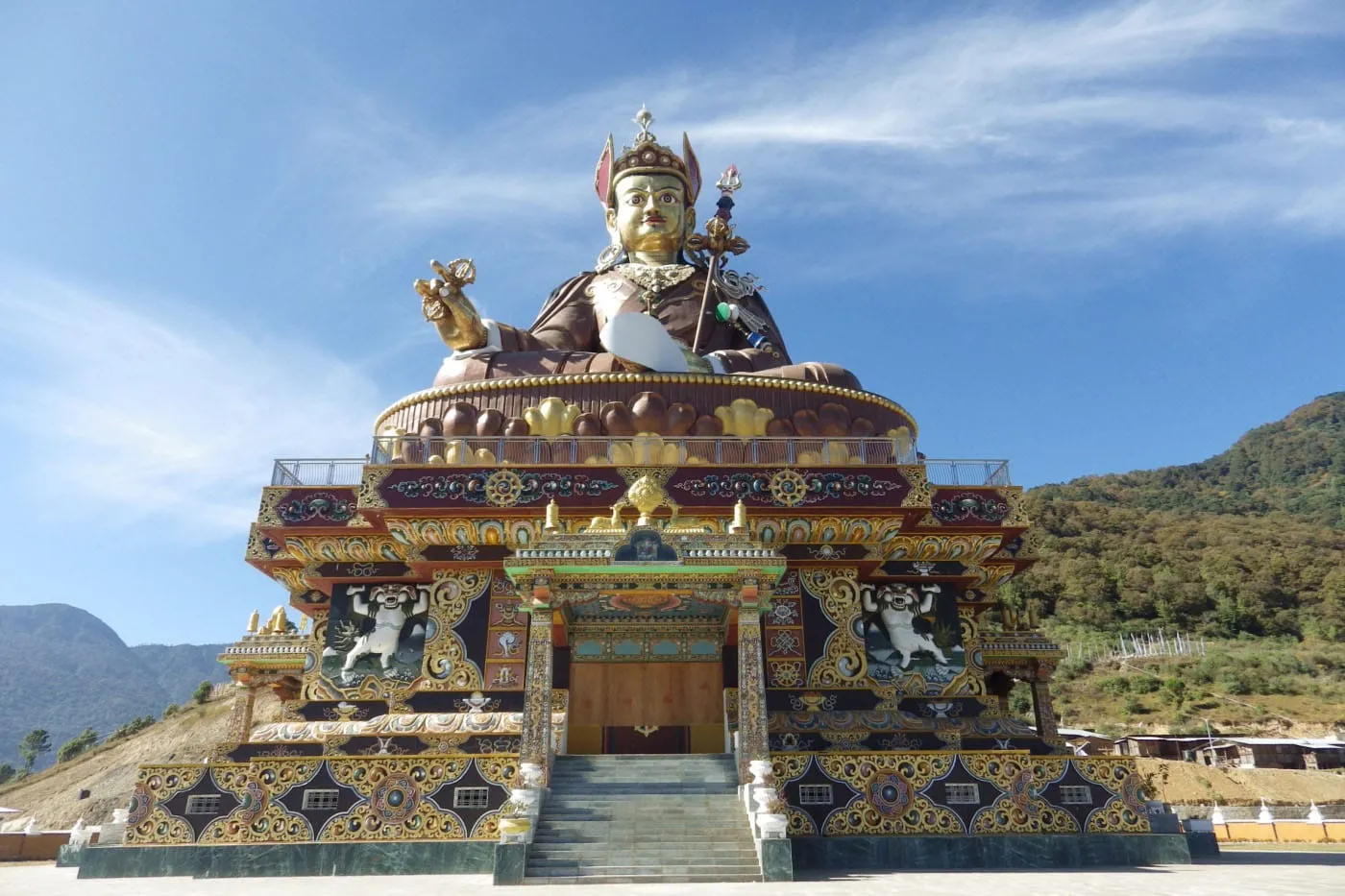
On this site, eastern Bhutan means six dzongkhags: Mongar, Trashigang, Trashi Yangtse, Lhuentse, Pemagatshel and Samdrup Jongkhar.
Six is also the number our own Mongar town page arrives at from a different direction: the Eastern Regional Referral Hospital there serves the six eastern dzongkhags and Bumthang — Bumthang counted separately, because it is central.
Trashigang is the hub of the whole east, the town everything out here is reached from and Bhutan's easternmost dzongkhag. People live high above the river rather than beside it, which is the first thing you notice. Above it are Merak and Sakteng, the highland Brokpa villages.
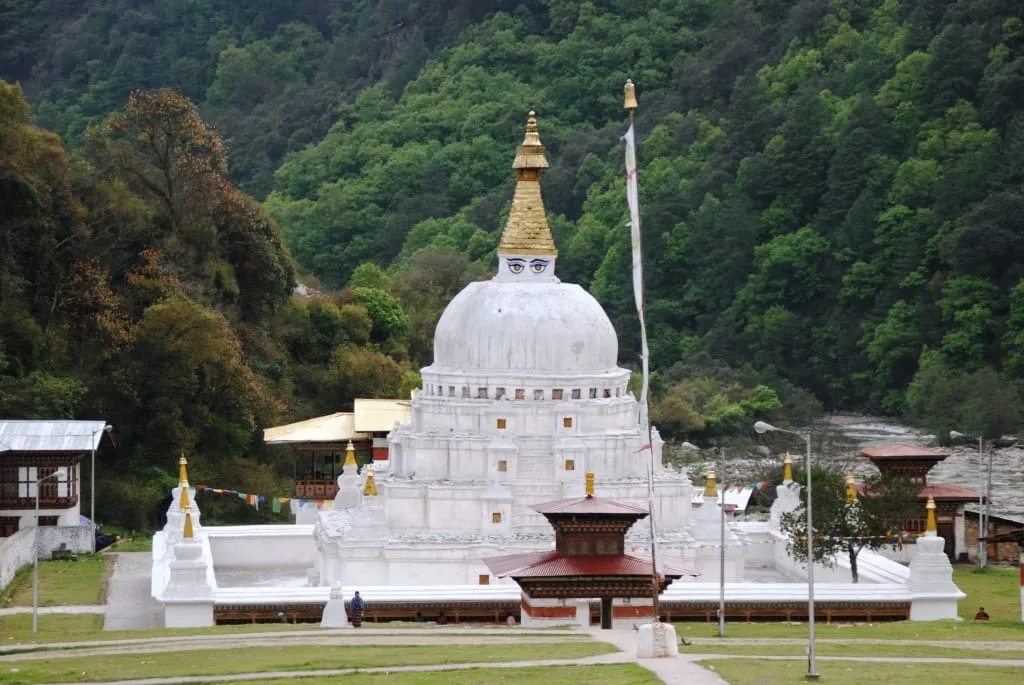
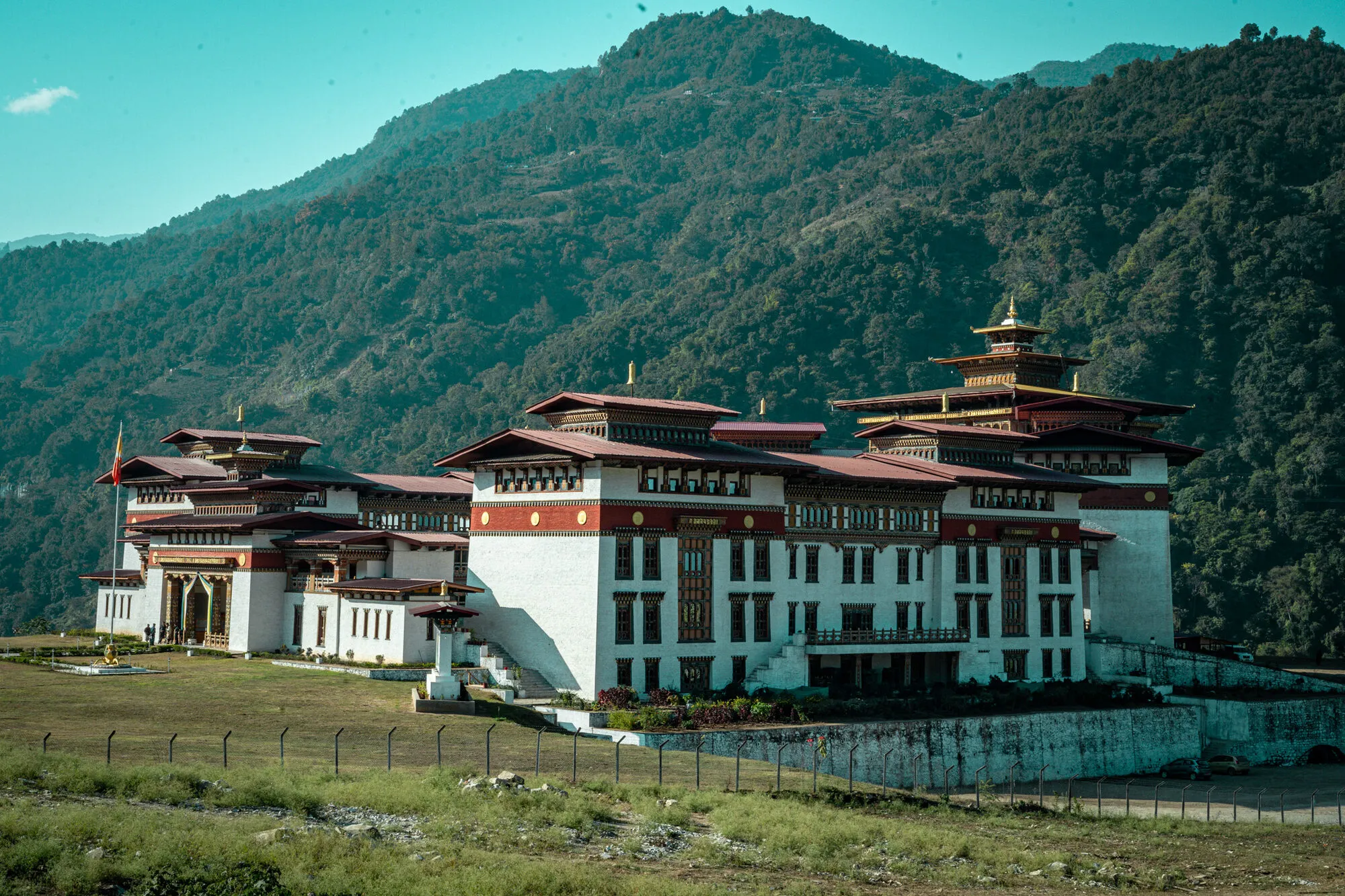
Mongar is the hinge: the district you cross to get anywhere else out here, with the highway's highest pass and a dzong built without nails. Lhuentse is the ancestral home of the Royal Family, formerly Kurtoe, and the reason to go is Khoma, where the finest textiles in Bhutan are woven. Trashi Yangtse became a district of its own in 1992 and holds a stupa built in the style of Boudhanath in Kathmandu, the wood turning Bhutanese bowls come from, and the country's quieter black-necked crane valley.
The last two are the southern end of the region. Pemagatshel sits between Trashigang and Samdrup Jongkhar, with an 18th-century goenpa on a ridge above the highway and villages that still make temple horns and cotton cloth by hand. Samdrup Jongkhar is where the eastern road runs out, at the border with Assam — one of the two land crossings open to international travellers, the other being Phuentsholing at the opposite corner of the country.
How many days does it take
Two weeks, if you drive the whole country. Our western, central and eastern tour is fourteen nights and the Trashigang festival trip is fourteen as well; the Dangling Tsho trek is fifteen.
Flying one leg shortens it. The Lhuentse weaving tour drives east and comes back on the domestic flight from Yongphulla, which is how it fits into nine nights.
Within the region: give Trashigang two or three days, more if you go up to the Brokpa villages. Lhuentse is a day and a night done properly. Trashi Yangtse is best as a day excursion from Trashigang — 53 km, about two hours each way. Mongar is usually an afternoon and a night on the way through, Pemagatshel two or three days, and Samdrup Jongkhar half a day for the town, with the drive in as the better half.
How you get around
Two ways in, and the distances mislead — plan by hours.
By road, it is 183 km and about six and a half to seven hours from Bumthang to Mongar, then 79 km and about two and a half to three hours from Mongar to Trashigang. Going out the bottom, Trashigang to Samdrup Jongkhar is 175 km and about six to six and a half hours, and Samdrup Jongkhar to Guwahati in India is 98 km and about three and a half to four hours.
By air, into Yongphulla — Yonphula on Drukair's timetable — above Trashigang. Drukair's own destinations page gives three flights a week between Yonphula and Paro, and the hop takes about 45 minutes against most of two days on the road. It is weather-dependent, so ask us before you plan around it. Full drive times are in our getting to Bhutan guide.
When to come
March to May and September to November for the walking and the roads — the same shoulder windows the rest of the country uses, and they matter more here because the eastern roads are the ones that suffer.
The eastern tshechus fall in November and December, including Trashigang Tshechu, when the Merak and Sakteng Brokpas come down in their full dress. Dates move with the lunar calendar, so check our festival calendar for the year you are planning.
The southern two want a different window: Pemagatshel is October to April and Samdrup Jongkhar October to March, because their valleys are low and hot in summer. Pemagatshel's ridge goenpas are the exception, at 2,000 to 2,500 m and cold in winter. The monsoon runs June to August and it is when the eastern roads are at their least reliable.
Districts in Eastern Bhutan
Tailor-made travel
Begin your journey to the Last Shangri-La
Every Little Bhutan itinerary is private and tailor-made. Tell us what draws you to Bhutan — festivals, treks, monasteries, food — and we will design the journey around it.