
Things to do in Pemagatshel
Pemagatshel is a southeastern district between Trashigang and Samdrup Jongkhar, 1,023 km², with 23,632 people at the 2017 census and 23,713 on the dzongkhag's own 2019 figures. Most travellers cross it on the way somewhere else. Those who stop find an 18th-century goenpa on a dagger-shaped ridge, a copy of Kathmandu's Boudhanath beside the Nganglam road, a nunnery of retreatants, and families who still hammer temple horns out of copper sheet and weave cloth from cotton they grow. Give it two or three days.
Denchi and the new dzong
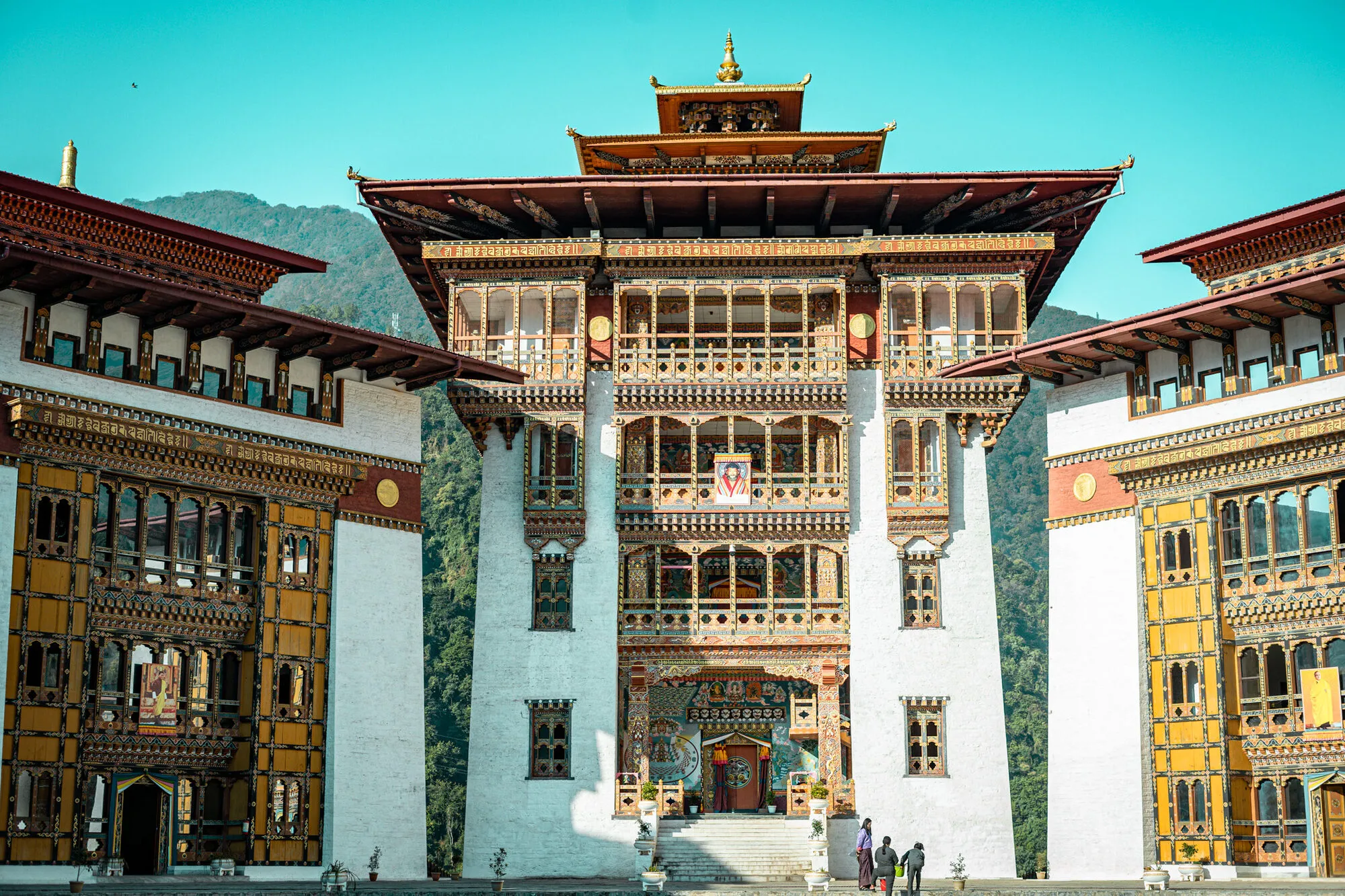
Pemagatshel Dzong, properly Druk Migyur Dechen Dzong, a name given by the Je Khenpo, was built between 2012 and 2023 at Denchi, 19 km from the old town. Allow 45 minutes to an hour. It is a working administrative and monastic seat.
It is worth going for a reason that has nothing to do with age. Almost every dzong you will see in Bhutan is a 17th-century fortress that has been repaired, burnt, rebuilt and repaired again. This one was built from scratch, in your lifetime, to the same plan: traditional woodwork and courtyards with modern services behind the walls, replacing the old dzong up the mountain. It cost Nu 610 million, funded by the Government of India, and was consecrated on 22 September 2023.
The old dzong still stands in the old town, about 19 km and some 860 metres up the mountain; when the administration left, it was to pass to the Pema Gatshel Rabday, the district monastic body. A whole town, Denchi, is growing up around the new one.
The Pema Gatshel Tshechu, instituted in 1984, was first held in the new dzong's courtyard in 2023. ABTO's tentative schedule puts the 2027 festival at 6–9 November, with the thongdrel on the last day.
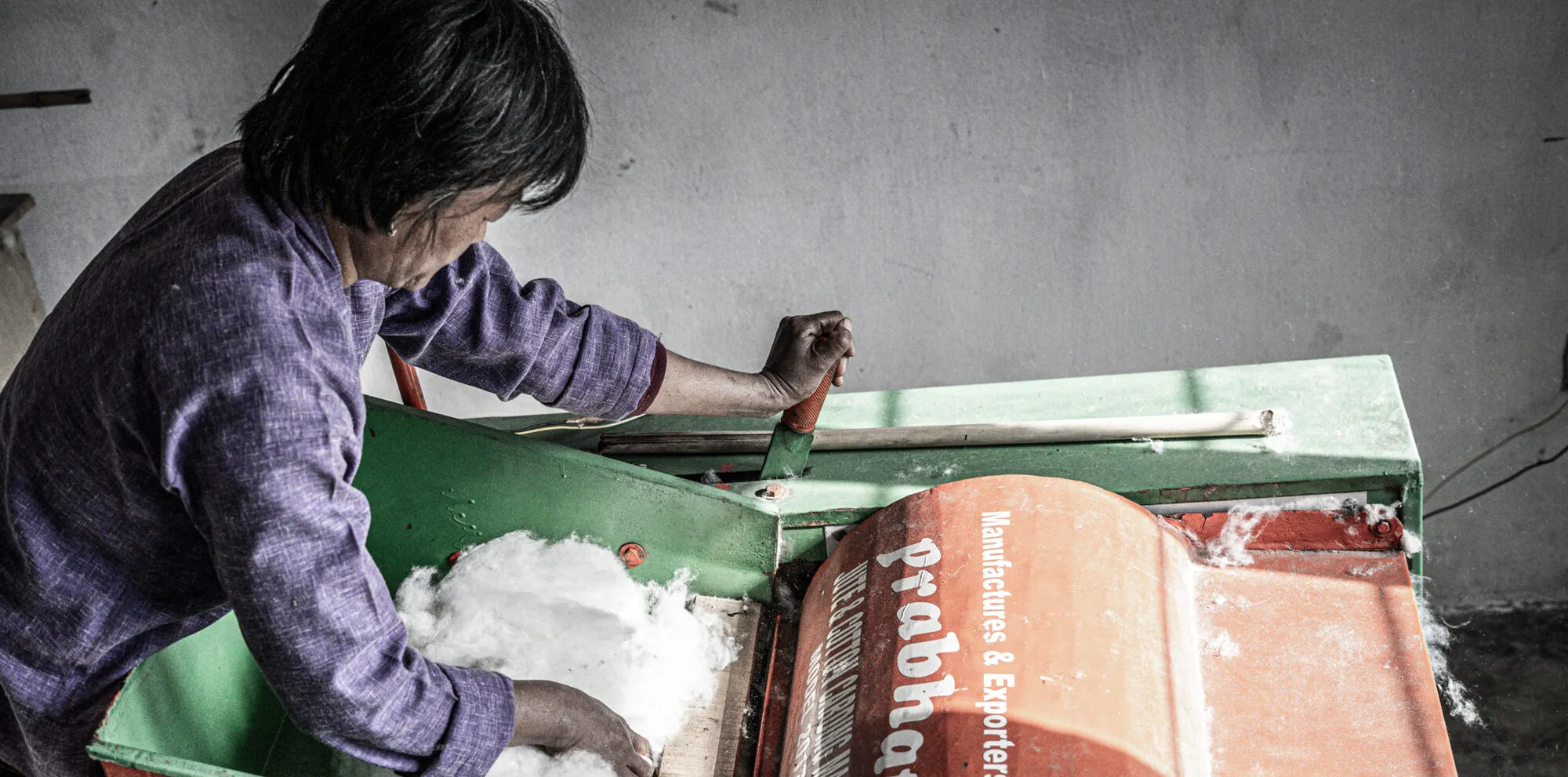
In Chongshing gewog, the Thongsa cotton weavers grow, spin, dye and weave their own cotton, and the dzongkhag invites visitors to their centre to see and buy the cloth.
Off the highway at Tshelingore
The road into Pemagatshel leaves the Samdrup Jongkhar–Trashigang highway at Tshelingore. At the junction, the Lotus Café began as a dzongkhag Desuup project, with a roadside outlet for Pemagatshel produce beside it.
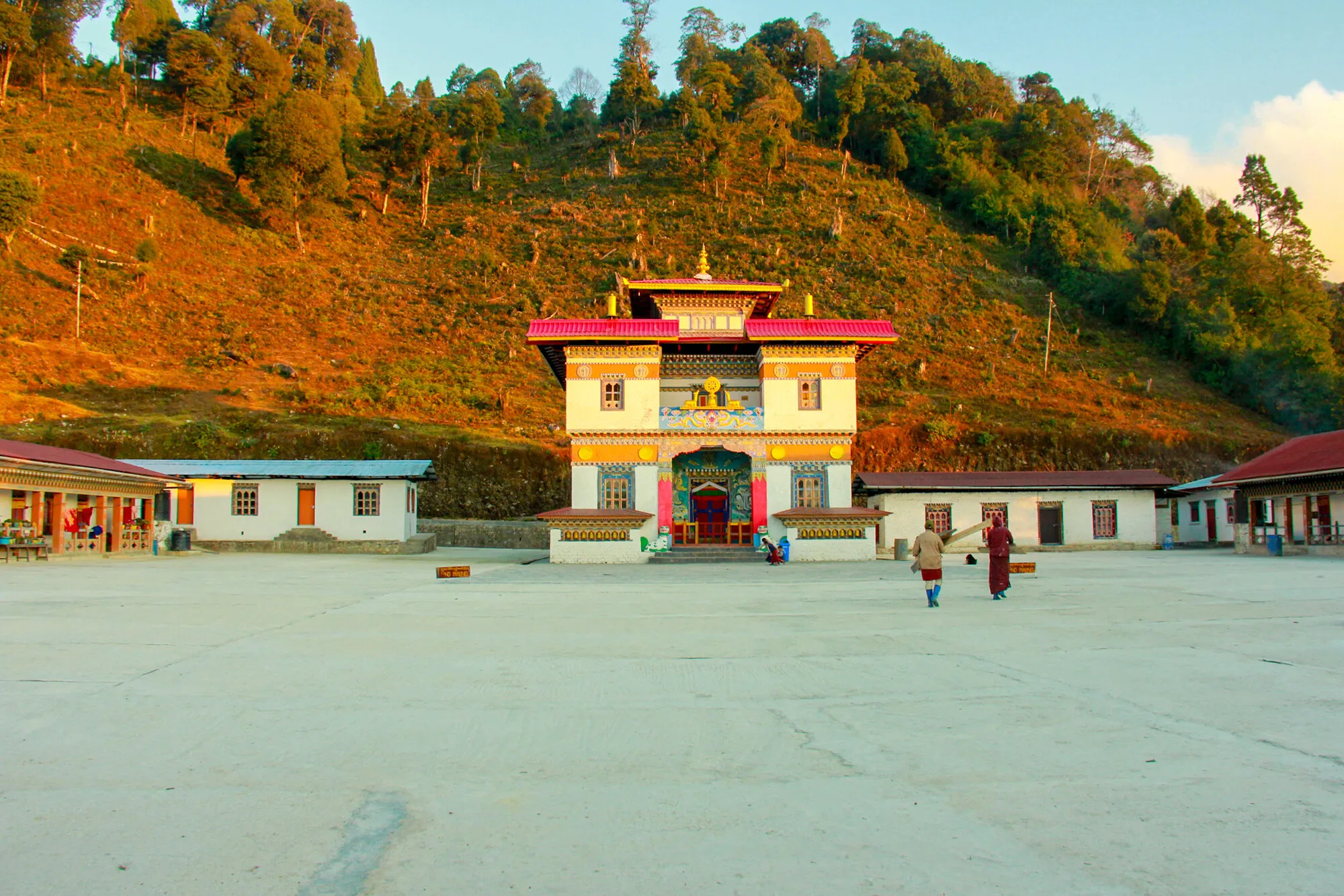
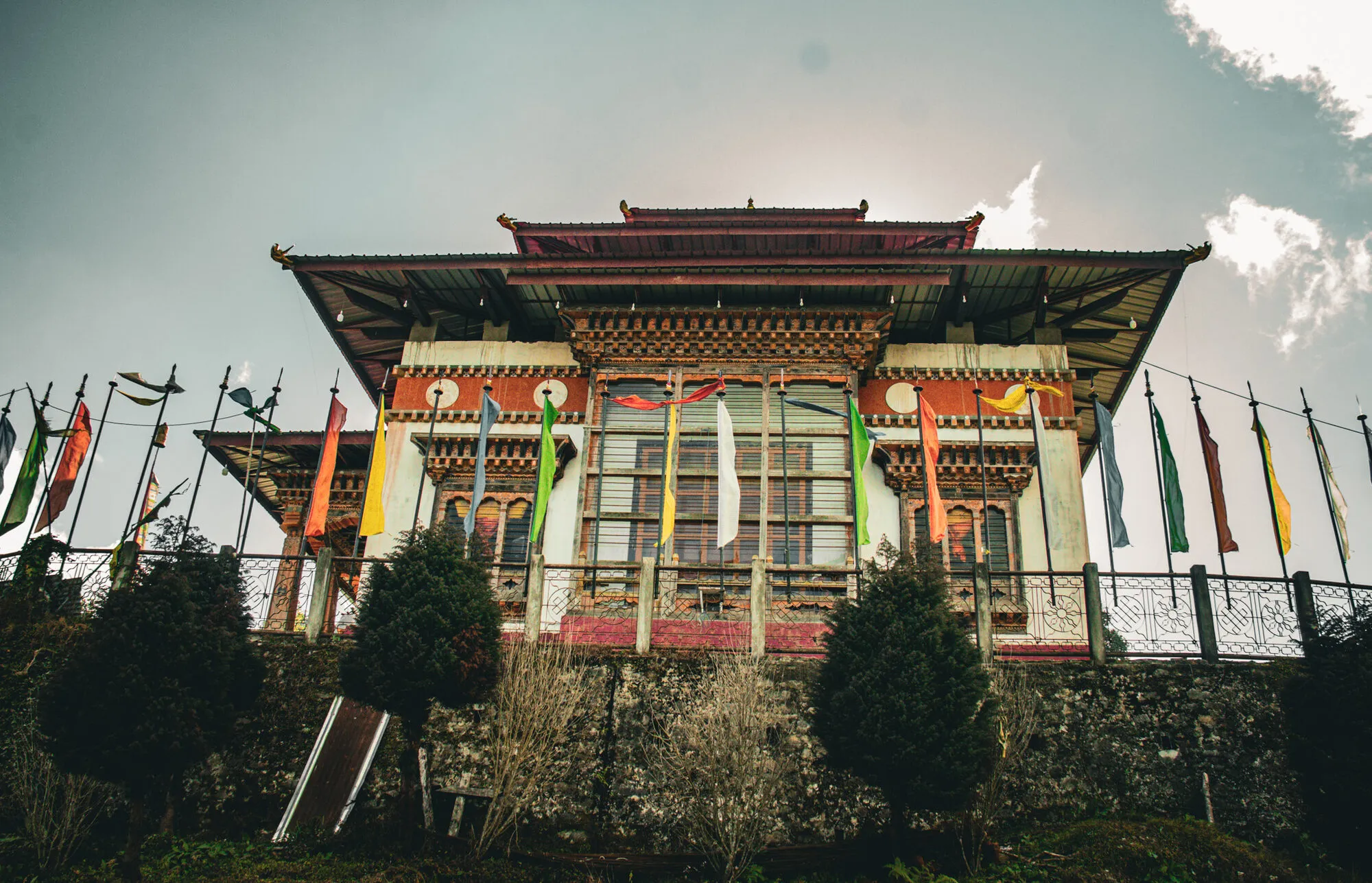
Up the hill in Zobel gewog, Yongla Goenpa is 7 km and about half an hour from the junction: an 18th-century seat on a summit ridge, the Rabdey's summer home, with a drubchen every September and, on a clear day, the plains of Assam below. Jashar Goenpa, a nunnery of retreatants, is 6 km and about half an hour on.
Khar gewog
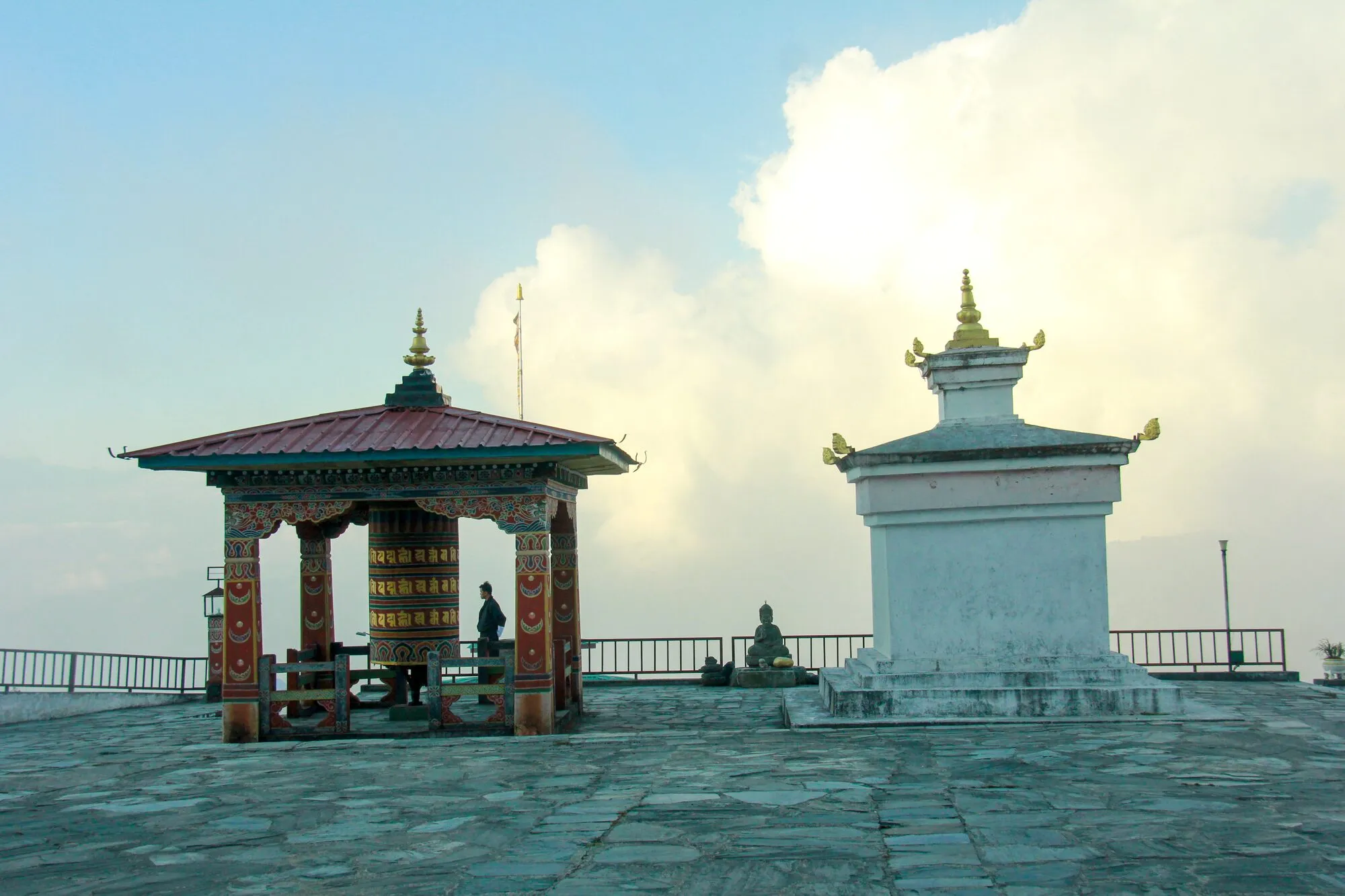
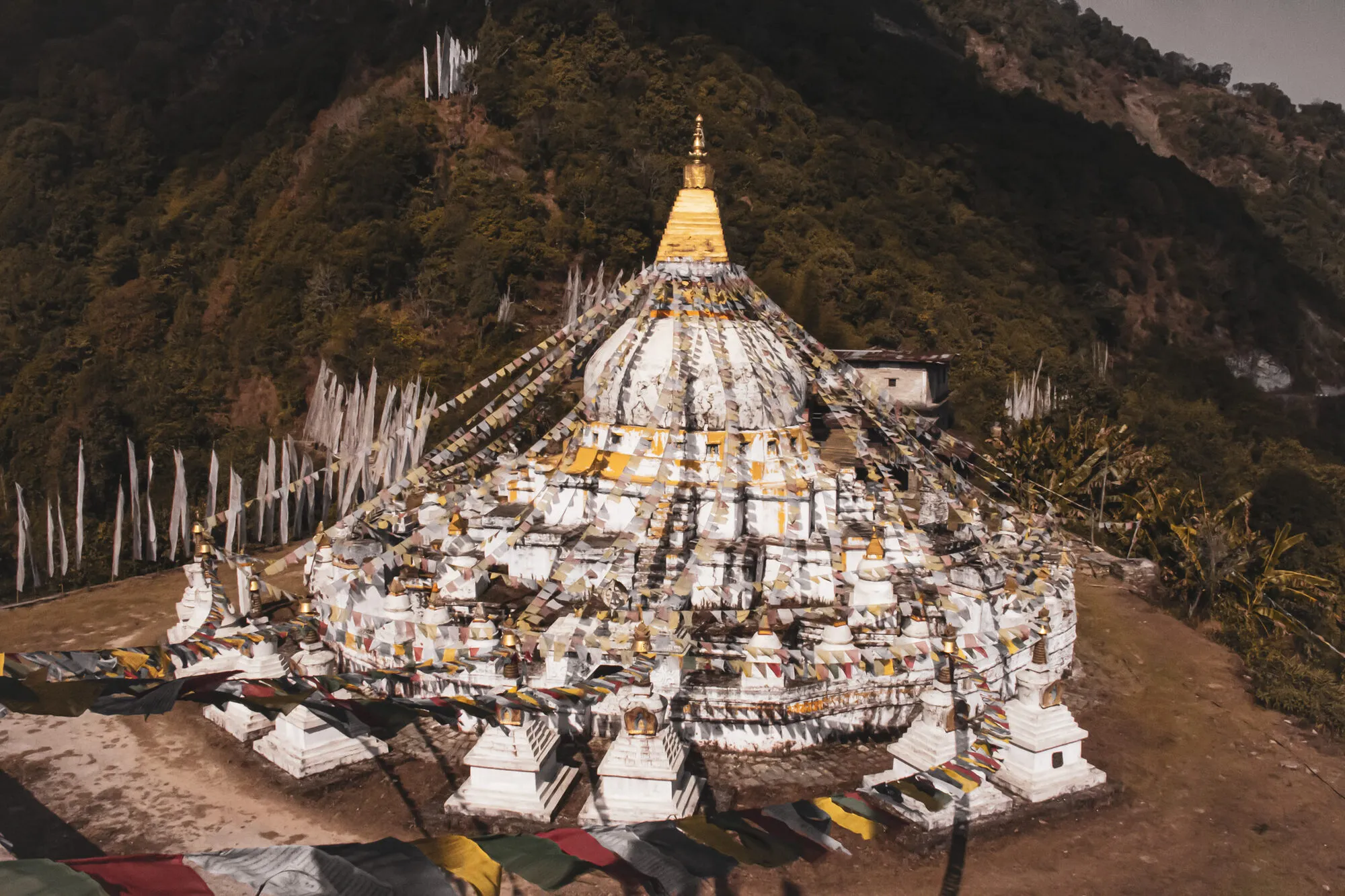
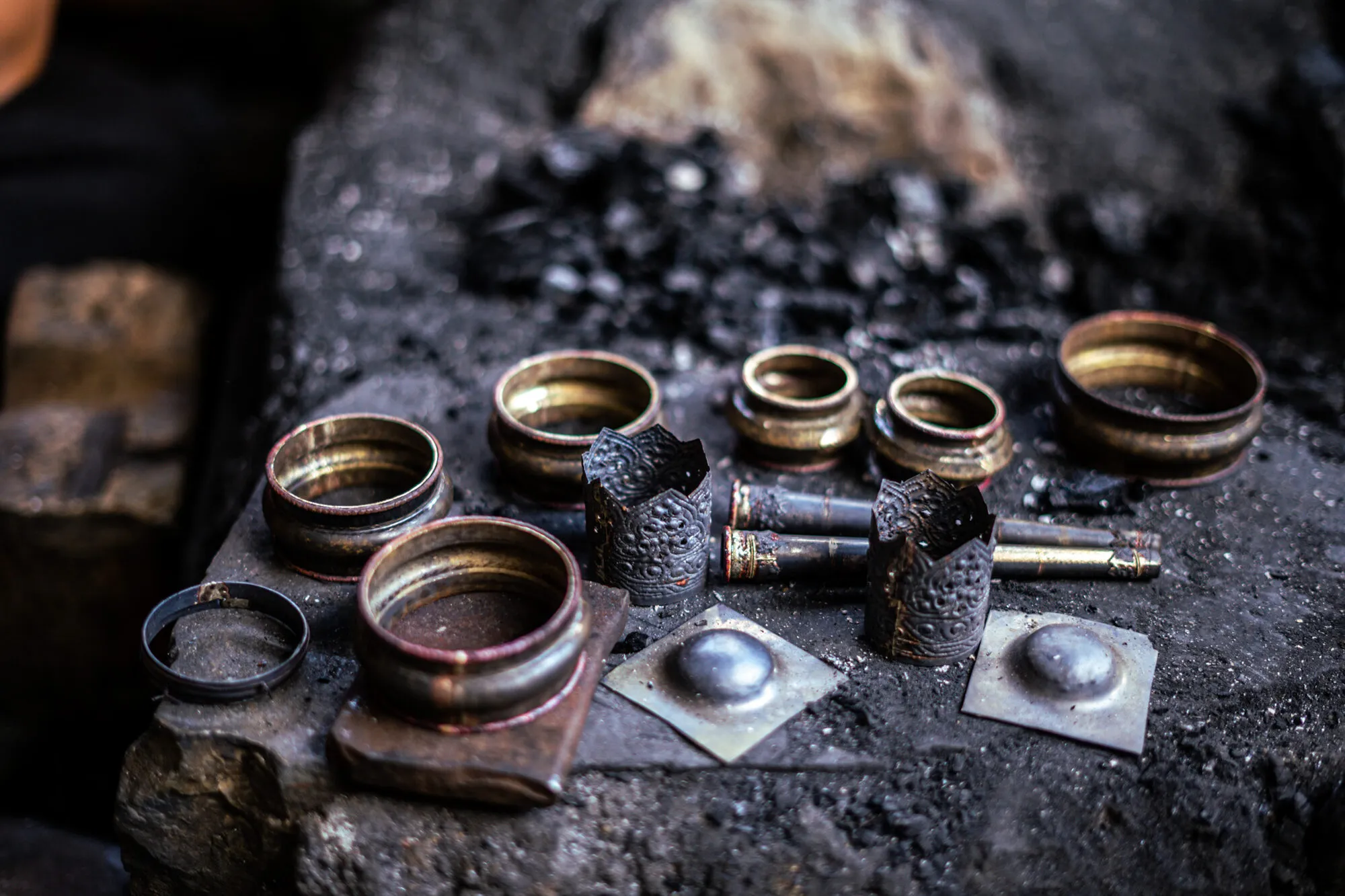
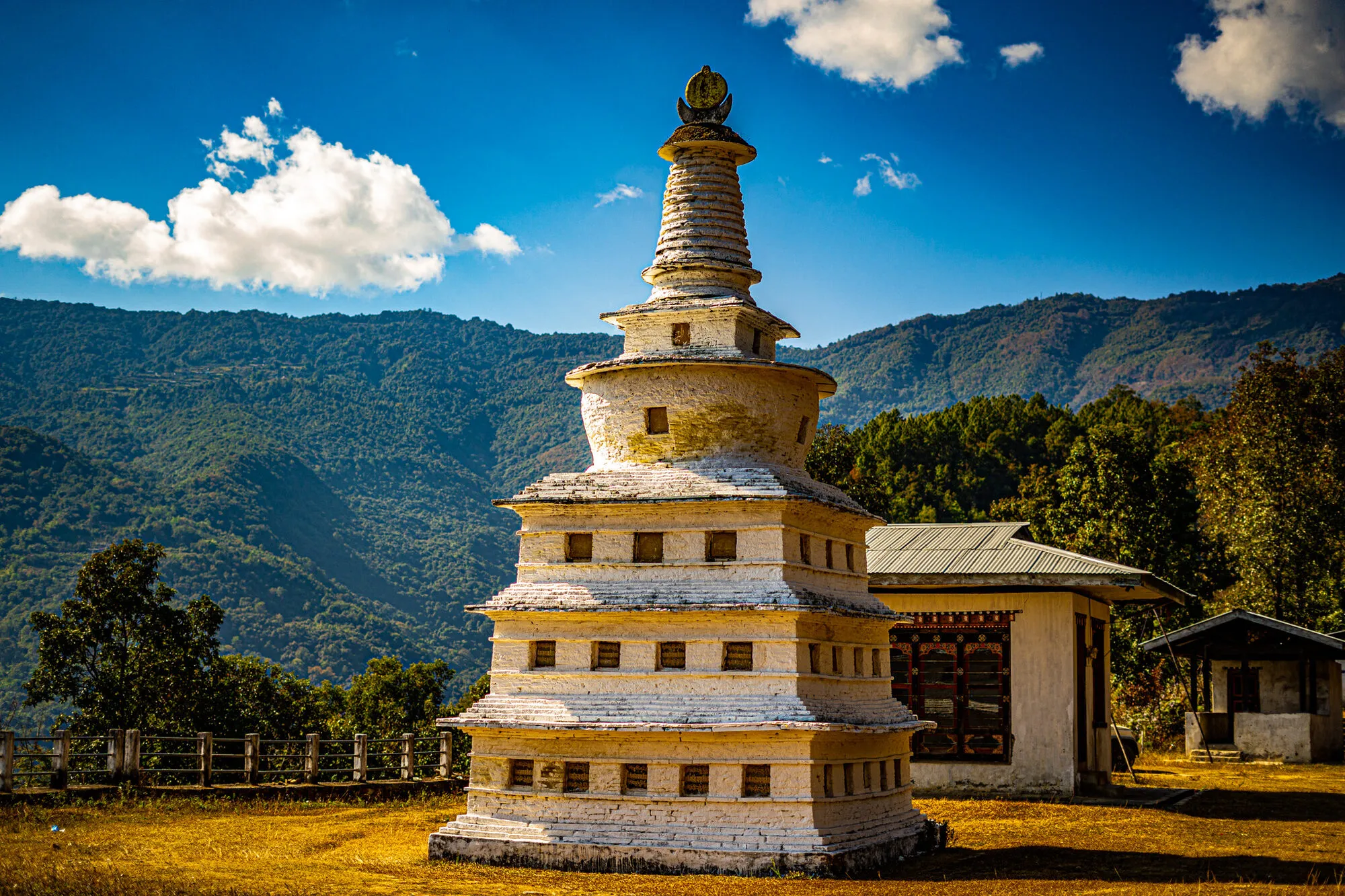
On the ridge above Tsebar, beside the Nganglam road, stands the Tsebar Jarung Khashor Chorten, a copy of Boudhanath, with Thonphu Goenpa, a Longchen Nyingthig hermitage, on the hilltop above it. Khahor Goenpa is up another road from the same chorten. In the village below, the dung and jaling makers of Tsebar hammer the long monastery horns out of copper sheet.
Across the gewog, Dungkhar Goenpa sits on a ridge above Khar village, 22 km and 1 to 1.5 hours from Denchi. It is said to be about 450 years old, keeps a skull relic called the Aa Thoe, and holds a four-day tshechu that usually falls in April.
Yurung
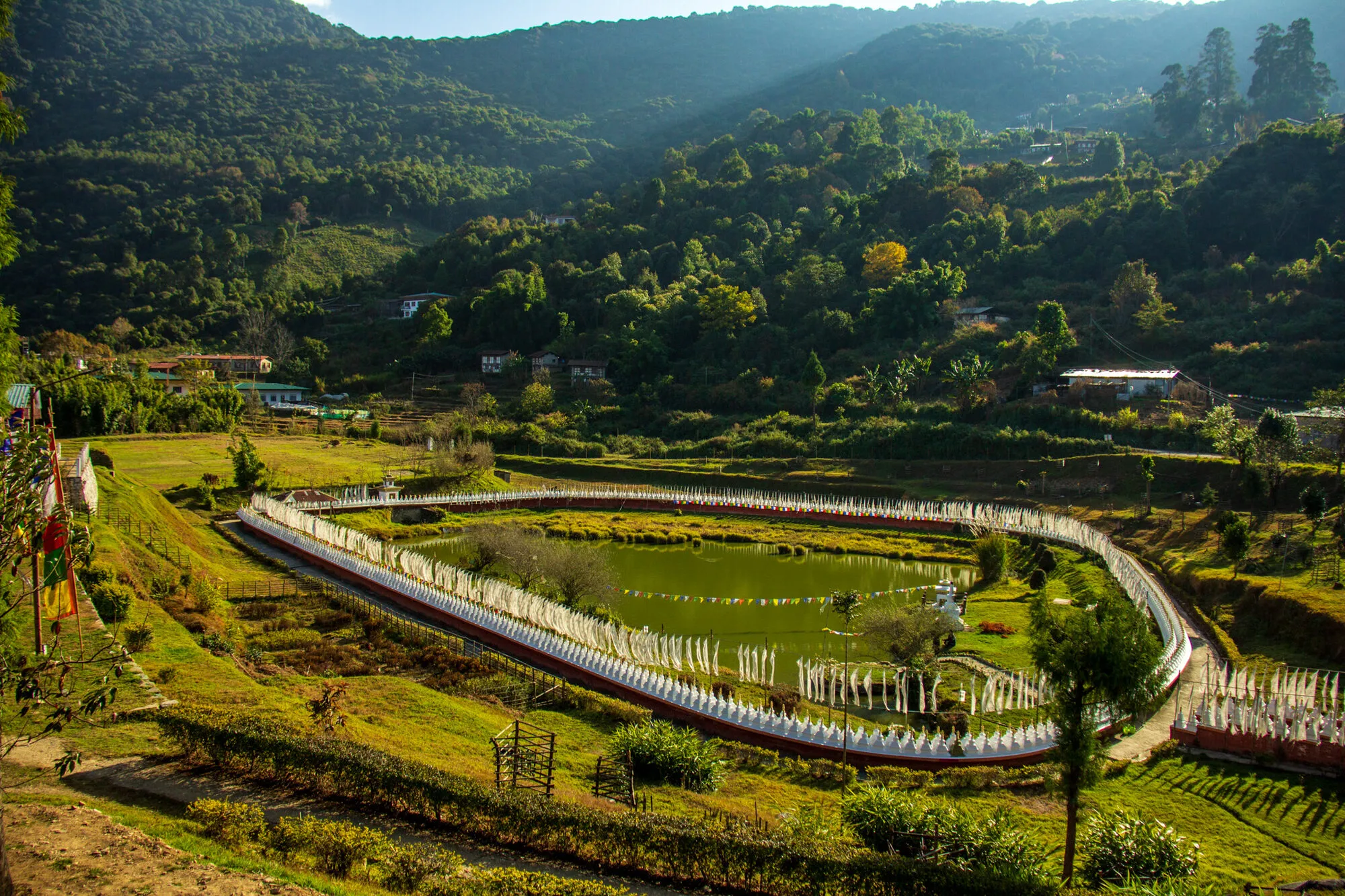
Khangma Chorten, a carpenter's whitewashed stupa above the Khangma valley, and Yurung Tsho, a lake ringed by a wall of small white chortens in the grounds of a boarding school, are 15 km and 45 minutes to an hour apart on an unpaved road.
Nanong
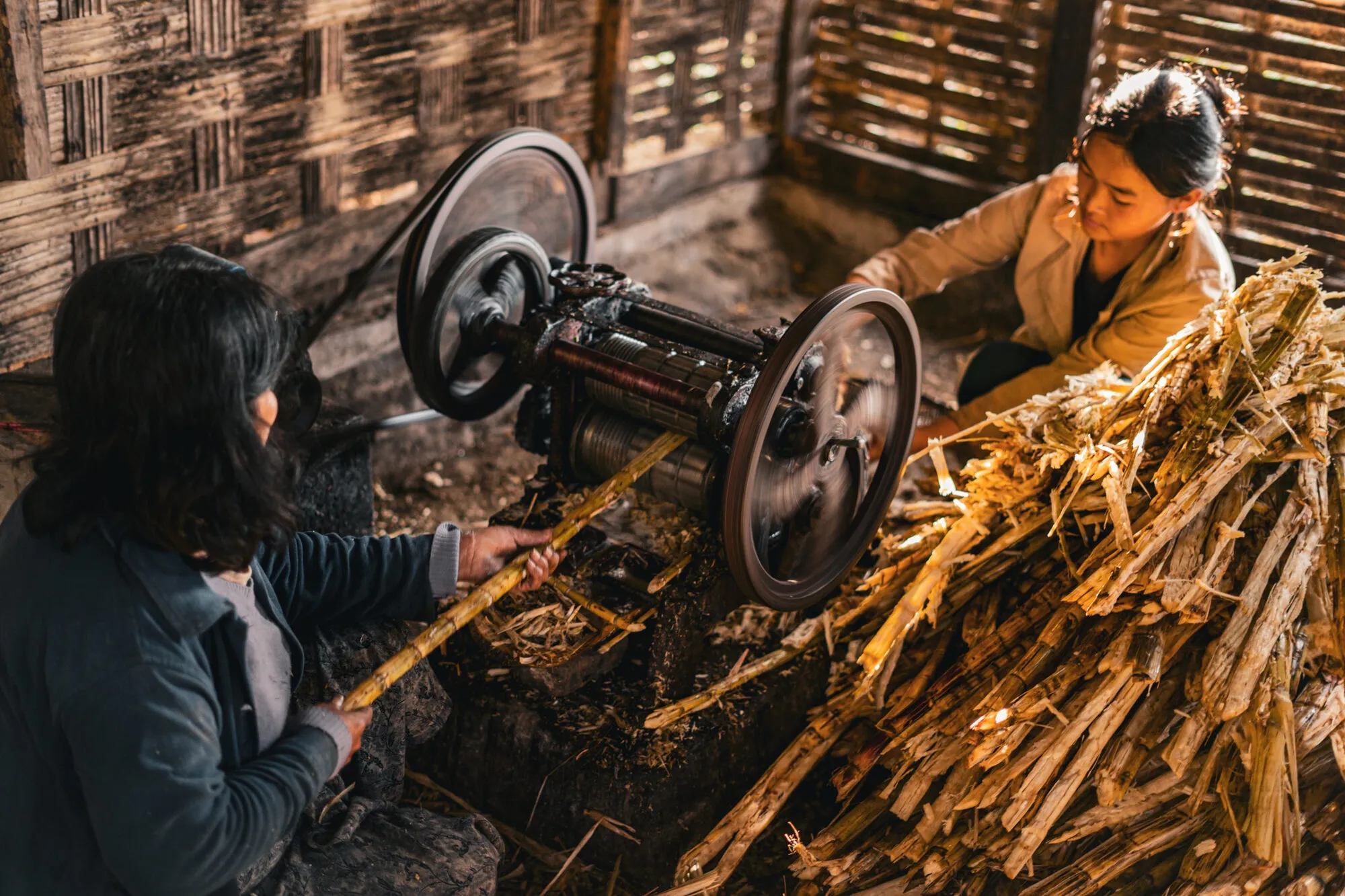
In the north-east of the district, households in Nanong gewog boil sugar-cane juice into tshatshi buram, hard cones of jaggery set in maize-floured wooden moulds.
Eco-stays
The dzongkhag's tourism list includes two places to stay: the Lotus Valley Eco-Campsite at Yurungzampa, with a menchu hot-stone bath, and the Gongribaley Eco-Lodge in Norbugang gewog, with views of the Manas.
Getting there
From Samdrup Jongkhar, it is 101 km and 4 to 4.5 hours to Denchi. From Trashigang it is 138 km and 5 to 5.5 hours, which is a long driving day on mountain roads. The shorter way in is from the Samdrup Jongkhar side; coming from Trashigang, ask us to plan the day around the drive.
The road itself is the other reason to come this way. Narphungla, on the Trashigang–Samdrup Jongkhar highway, is a genuine bird hotspot: rufous-necked hornbill, beautiful nuthatch, gold-naped finch. At about 1,700 metres it sits close to where three districts meet, including this one. Between here, Trashigang and Samdrup Jongkhar there is good birdwatching and biking country, and very few visitors in it.
See things to do in Trashigang and things to do in Samdrup Jongkhar for the two ends of that road.
When to come
October to April, the dry months. The monsoon soaks the rest of the year, when the eastern roads are at their least reliable. How the season feels depends on the height. Denchi sits at about 780 m, and it and the lower valleys run warm. The ridge goenpas do not: Dungkhar and Thonphu stand at about 2,060 m, Khahor at 2,090 m, Jashar at 2,240 m and Yongla at 2,480 m, as high as Thimphu. Up there, winter is cold.
Attractions in Pemagatshel
Tailor-made travel
Begin your journey to the Last Shangri-La
Every Little Bhutan itinerary is private and tailor-made. Tell us what draws you to Bhutan — festivals, treks, monasteries, food — and we will design the journey around it.