
Things to do in Trashigang
Trashigang is the hub of the whole east — the town everything out here is reached from, and Bhutan's easternmost dzongkhag. The landscape is unlike the west: people live high above the river rather than beside it, which is the first thing you notice and the last thing you get used to. Two or three days here; more if you go up to the Brokpa villages.
Things to do in Trashigang, compared
| Attraction | Time needed | Legwork | Best season |
|---|---|---|---|
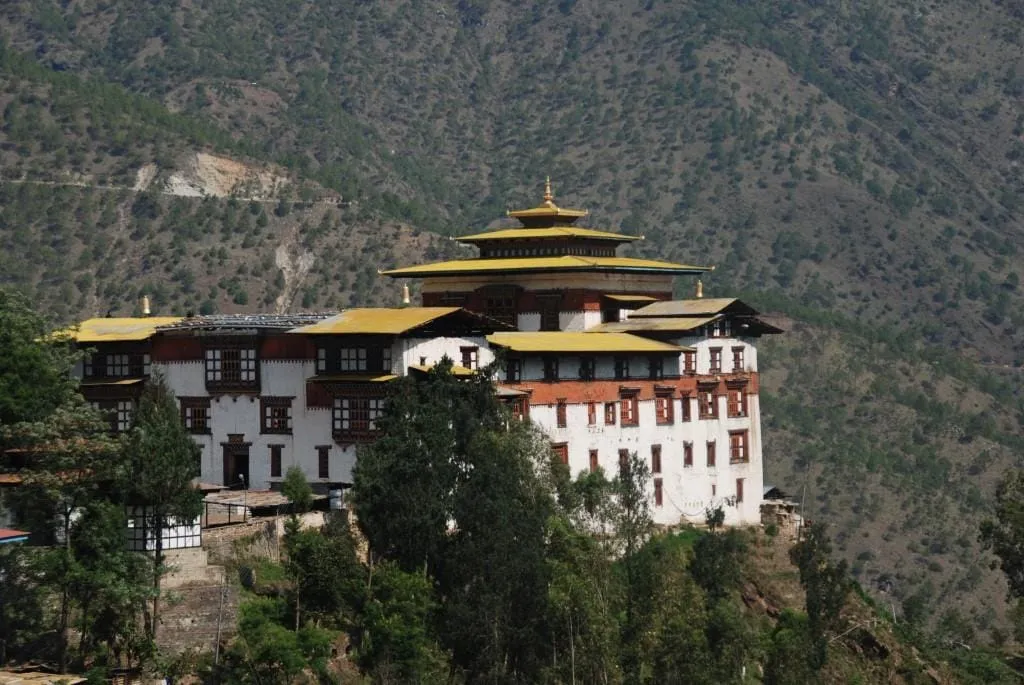
| Trashigang Dzong | 1–1.5 hrs | Above the town; one shared courtyard, steps inside | Nov–Dec for the tshechu; Mar–May, Sep–Nov |
| Gom Kora | 45 mins–1 hr | 23–24 km, about an hour — and over the line in Trashi Yangtse; the site is below the road, and the rock is a climb and the passage a crawl | Year-round |
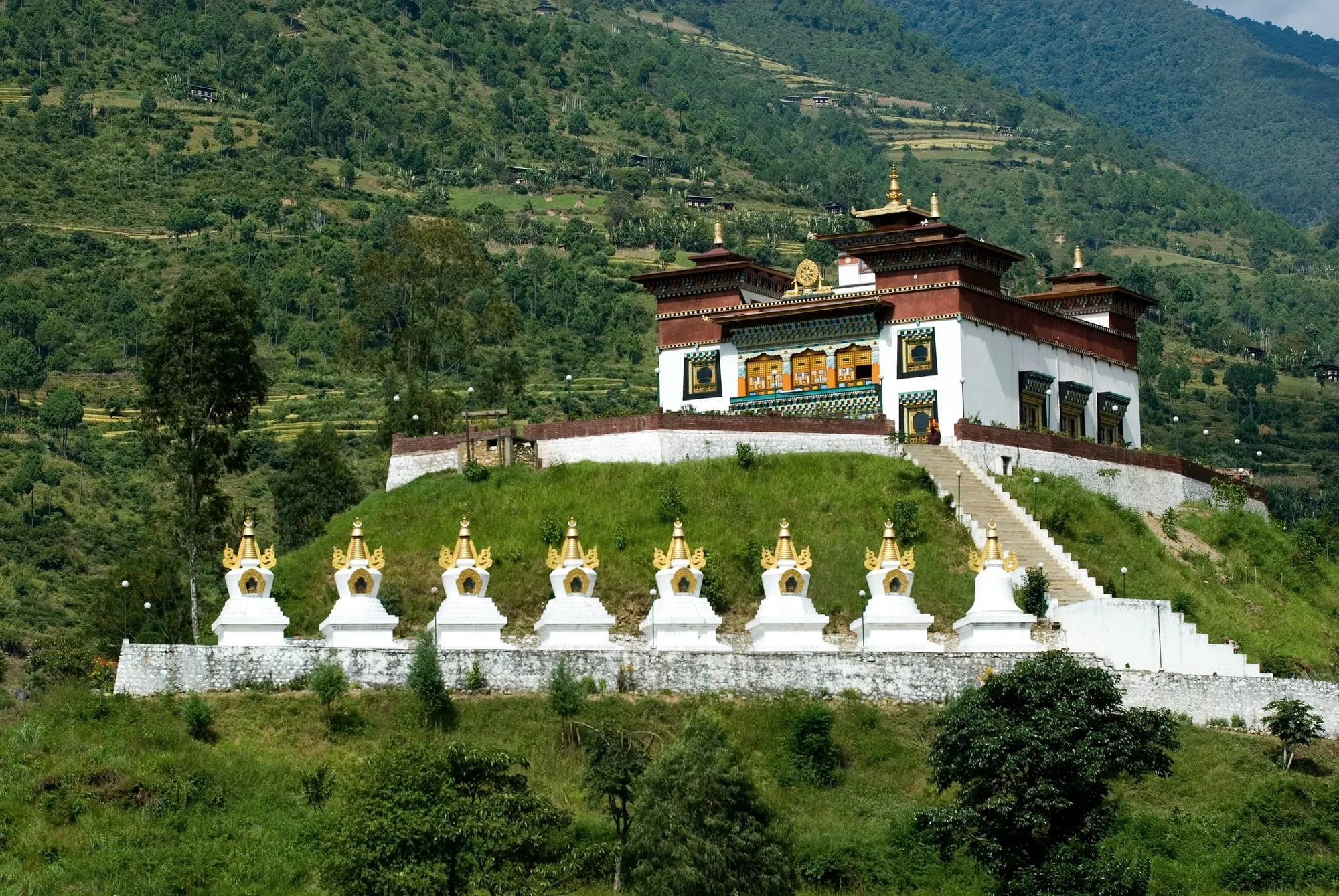
| Rangjung Woesel Choling | 45 mins–1 hr | Road access; a level monastery compound | Year-round |
| Rangshikhar Goenpa | 1–1.5 hrs, plus the drive | 11 km uphill through Chir pine — ask us for the time, nobody publishes it | Autumn and late winter |
| Merak and Sakteng | Several days — the two villages are hours apart | Highland travel — Sakteng about 2,950 m, Merak about 3,500 m. A road reaches Merak now, but it is rough — ask us how we run it | Mar–May, Sep–Nov |
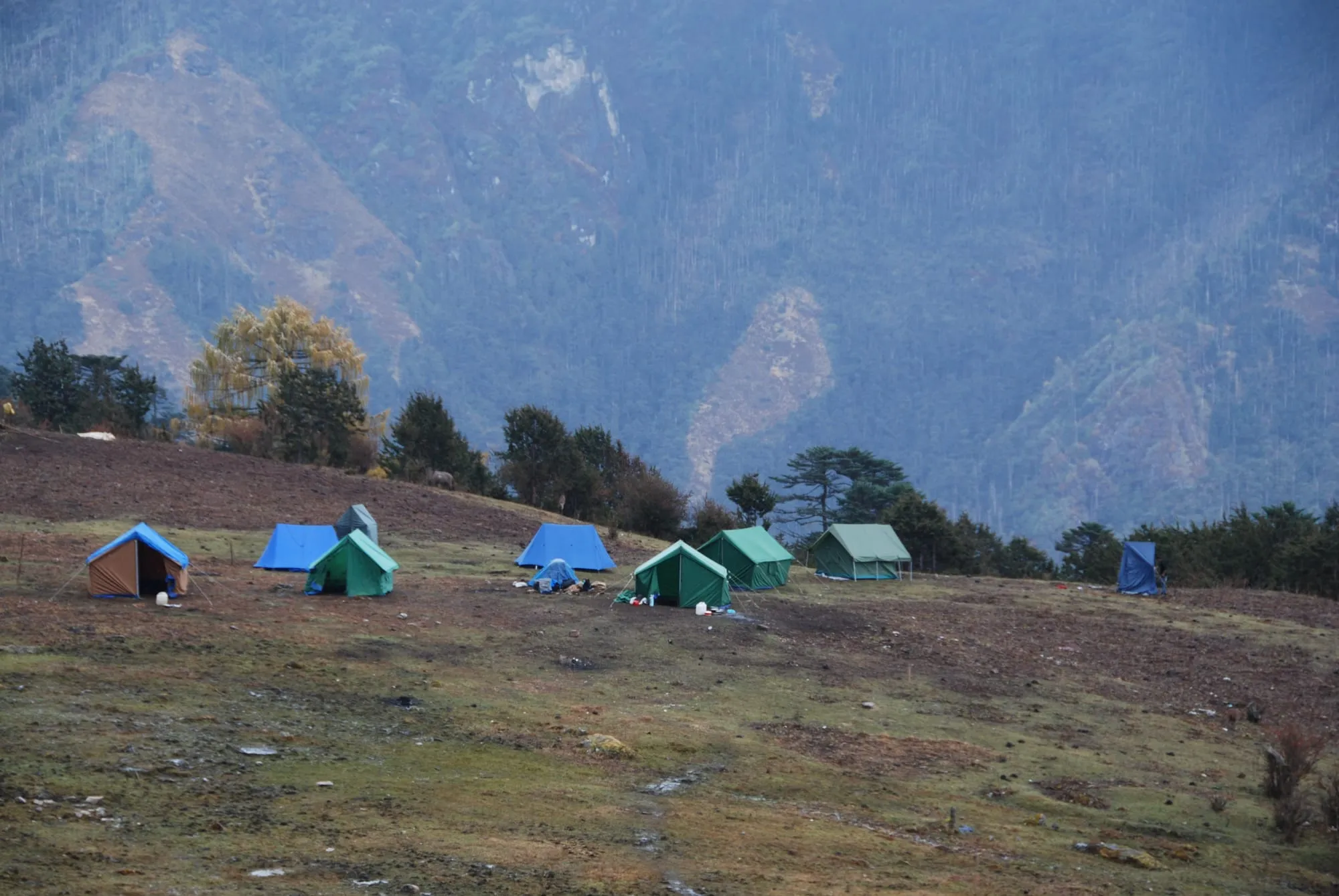
| Dangling Tsho Trek | A four-day trek, Trashigang to Khaling | Gentle for a trek — nothing above 3,000 m | Apr–Nov. Closed during Ladam, roughly Dec–Mar |
| Muenselling Institute, Khaling | 1–1.5 hrs | A school for blind children — ask us, it is arranged with them | Term time |
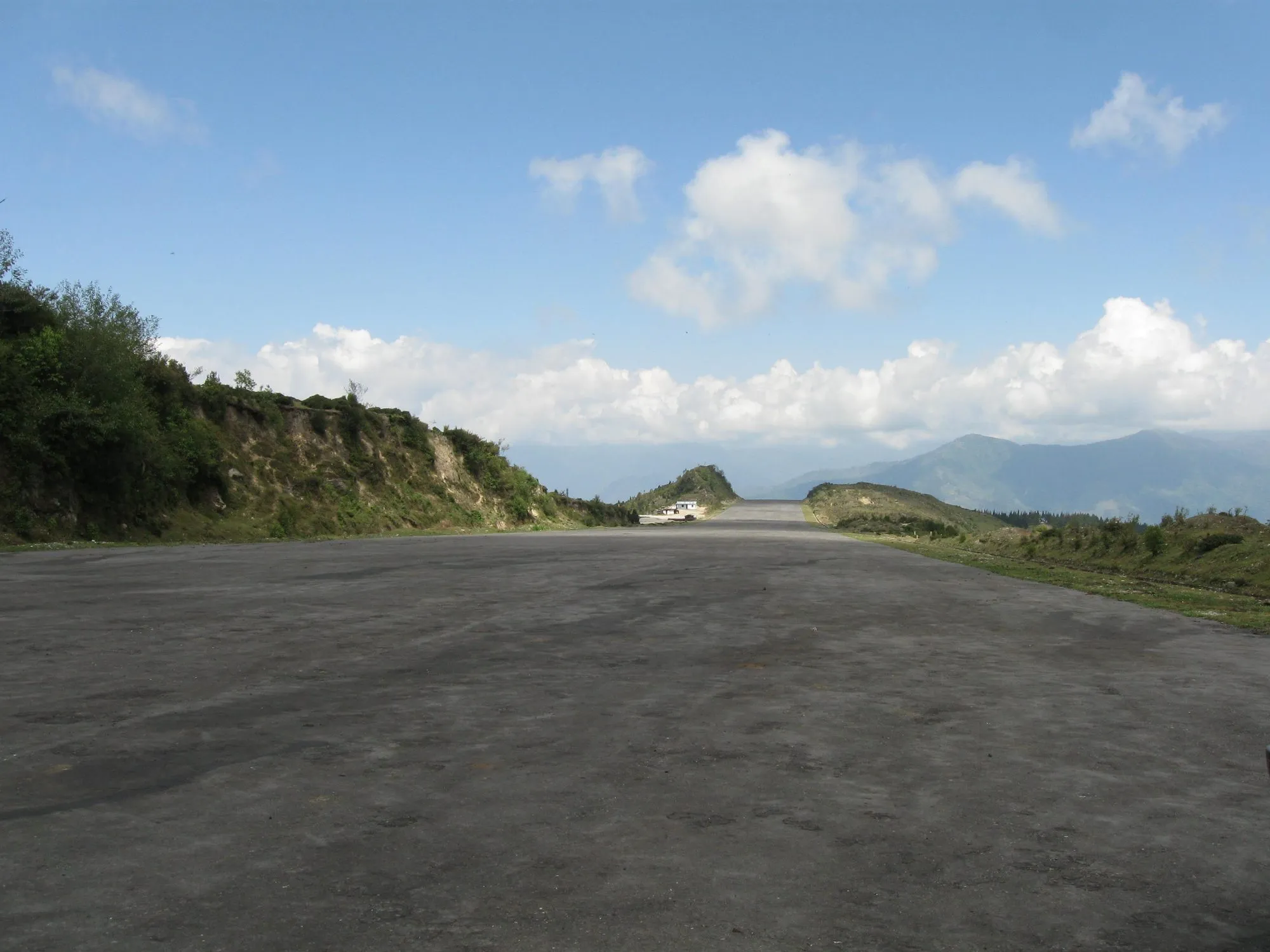
| Yongphulla Airport | Not a sight — it's how most guests arrive | Three Drukair flights a week to Paro, daylight only | Ask us — schedules and weather both matter |
Planning note: Trashigang Dzongkhag announced an eight-day survey of a proposed Yeti Tracking Trail through Sakteng and Merak on 6 July 2026. The corridor is still being planned; no visitor opening or operating itinerary has been announced.
Entrance fees are included in every tour we run, so there's no ticket window to queue at and no cash to carry at any of them.
Gom Kora, and the rock
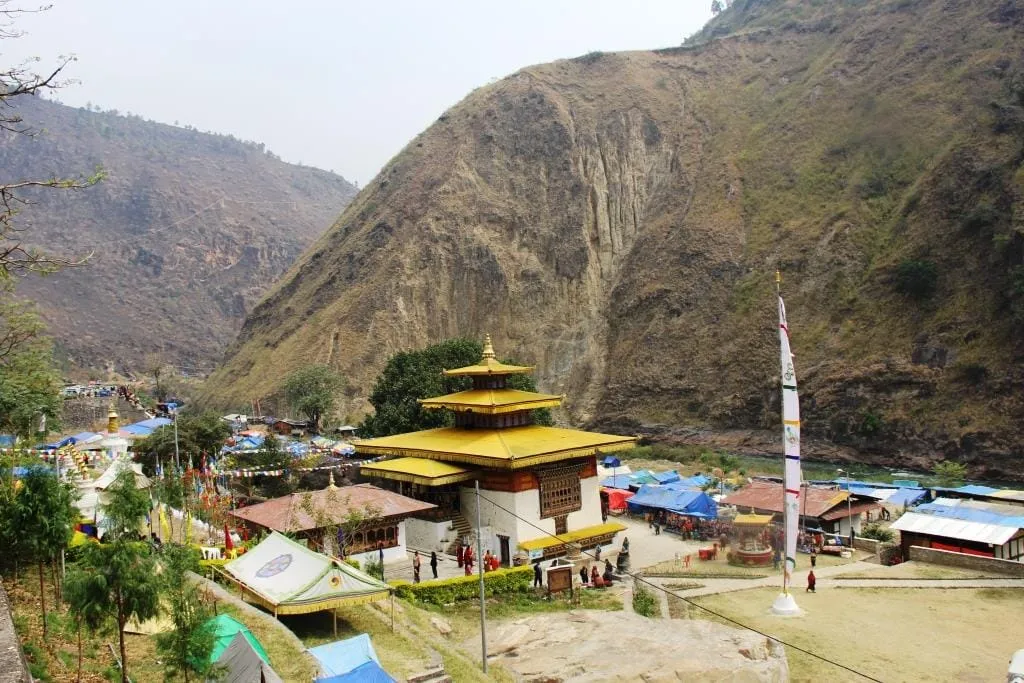
Twenty-three or twenty-four kilometres from town, about an hour, on a shelf of paddy above the river — Gom Kora looks like an oasis in an arid landscape, and it is one of the places Guru Rinpoche meditated to subdue a demon, who had taken up residence in a huge black rock beside the temple.
The rock is still there and people still climb it — and crawl through a passage in it. It is the single most photographed thing in eastern Bhutan and the one stop nobody regrets.
One thing almost nobody says, including us until now: it is not in Trashigang. The boundary runs past the Chazam bridge, and Gom Kora is on the far side of it in Trashi Yangtse — which is where our own festival calendar has always filed its tshechu. It is reached from here, it belongs on this list, and it is somebody else's dzongkhag.
The Brokpas, and why they are not a day trip
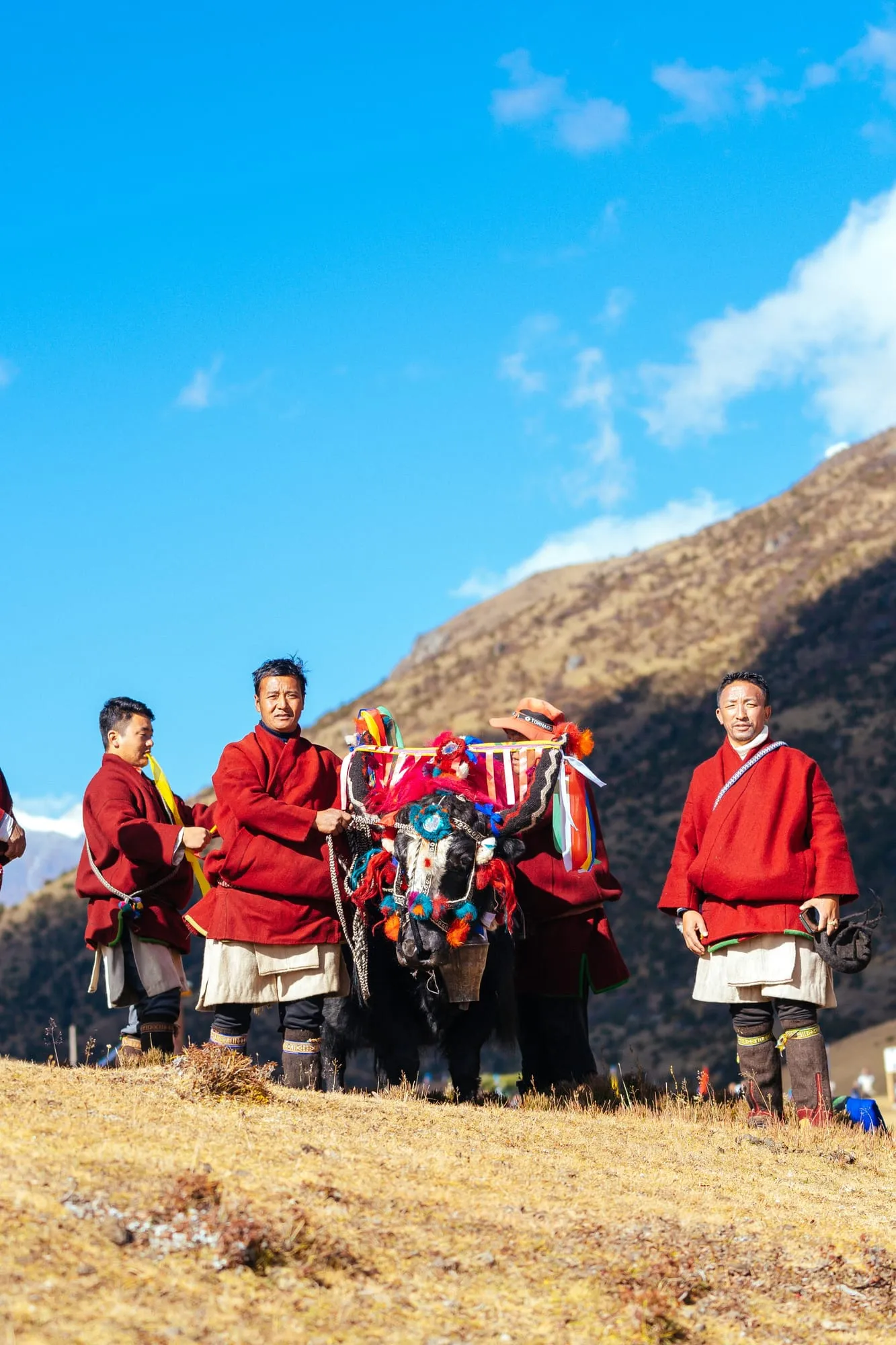
Merak and Sakteng are highland villages of the Brokpa, who speak their own language, herd yak in yak hair and sheep wool, and by oral tradition came to Bhutan after fleeing a king named Drayba Jabu in Tibet in 1347. Sakteng's landscape looks so like Tibet that visitors say they feel they have crossed a border.
This is a several-day trip, not an excursion. Merak sits at about 3,500 m, the two villages are hours apart, and a road now reaches Merak — rough, and not dependable: the national broadcaster has reported land instability at Phongmey putting villages on a longer route for over a month. Ask us how we run it before you plan around it; the answer changes what the rest of your eastern itinerary can be.
Getting here, and getting around
Yongphulla is one of Bhutan's three domestic airports, at Kanglung — cut by the Indian Border Roads Organisation in the 1960s, rebuilt and reopened in October 2017, with three Drukair flights a week to Paro by the airline's own count. It turns a two-day drive into an hour. It is daylight-only and weather-dependent, so ask us.
Sherubtse College at Kanglung is Bhutan's first college, founded in 1966 by Jesuits under Father William Mackey — a Canadian priest who is a genuinely significant figure in Bhutanese education. That matters more to Bhutanese than to visitors, and it is worth knowing when you meet someone who studied there, which out here you will.
The Muenselling Institute at Khaling was founded in 1973 with three students by a Norwegian couple, named by HRH Prince Namgyel Wangchuck in September 1980 and brought under the Ministry of Education the year after. It is a boarding school for blind children, so a visit is something we arrange with them rather than something you drop in on.
When to come
March to May and September to November for the walking and the roads. The eastern tshechus fall in November and December — Trashigang Tshechu 18–20 Nov 2026 and 7–9 Dec 2027, and the Kholong Tshechu at Yonphu at the end of November, the oldest in eastern Bhutan, whose name in Sharchopkha means a fight. The Merak and Sakteng Brokpas come down for Trashigang Tshechu in their full dress, which is the best reason of all to time a trip for it.
Dates move with the lunar calendar — see the festival calendar and the Trashigang Festival tour.
One season note that is not about weather: the Dangling Tsho walk is April to November, because the mountain is closed to visitors during Ladam — from the eleventh Bhutanese month to the second, roughly December to March. That is a local observance rather than a trail condition, and this page recommended straight through the middle of it until we checked.
The district itself
3,066 km², fifteen gewogs, and 45,518 people at the 2017 census — Bhutan's easternmost dzongkhag, and one of the more populous rural ones rather than one of the emptiest. The language you will hear is Tshangla, usually called Sharchopkha, which is the lingua franca of the whole east; up in Merak and Sakteng it is Brokpa, and around the north-east Dakpa.
Two figures we used to publish and no longer do: that Trashigang is Bhutan's largest district — Wangdue Phodrang is, at 4,308 km², as our own page for it says — and that it is one of the least populated, which it is not. Both look like facts that were true once: Trashigang was the most populous dzongkhag before Trashi Yangtse split off in 1993.
Attractions in Trashigang
Tailor-made travel
Begin your journey to the Last Shangri-La
Every Little Bhutan itinerary is private and tailor-made. Tell us what draws you to Bhutan — festivals, treks, monasteries, food — and we will design the journey around it.