
Things to do in Thimphu
Thimphu is Bhutan's capital and largest city, and the night almost every itinerary spends before or after Paro. It has more to see than anywhere else in the country and less that is unmissable. One full day covers the dzong, the Buddha, the chorten and the takin. A second day buys you a walk, the museums and the market. All eighteen below would take three, once you count the driving and the opening days — and almost nobody should.
Things to do in Thimphu, compared
| Attraction | Time needed | Legwork | Best season |
|---|---|---|---|
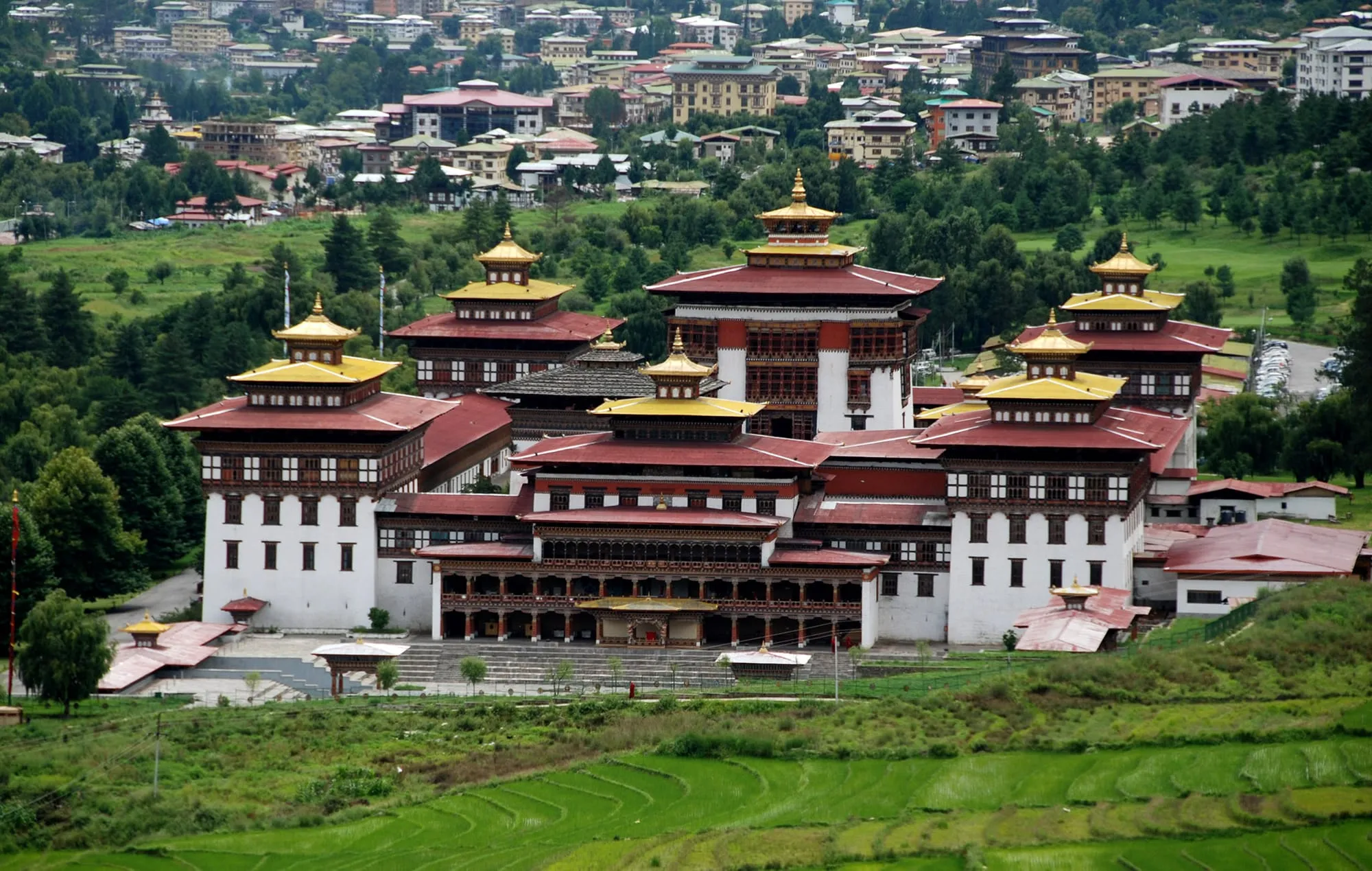
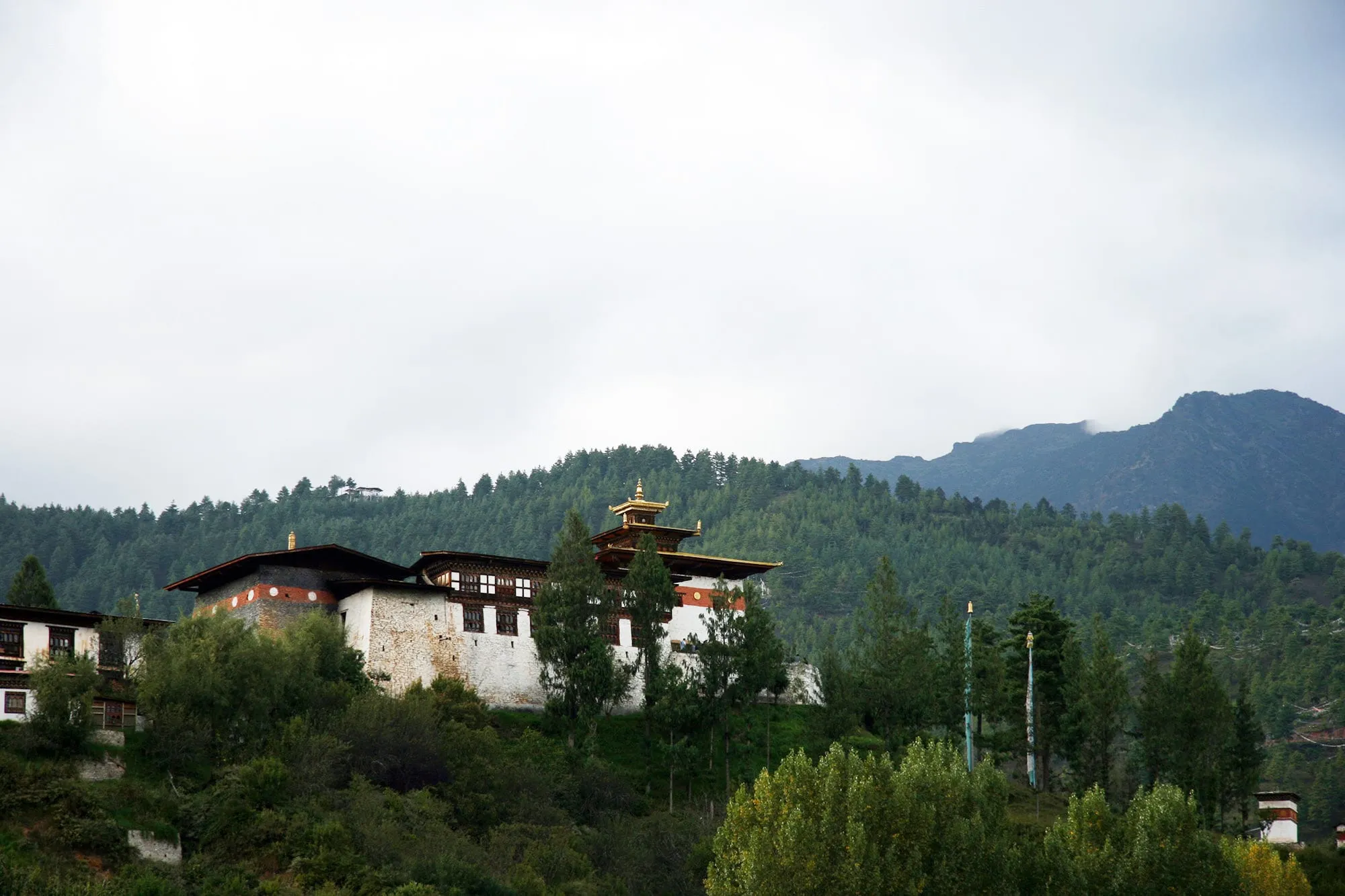
| Tashichho Dzong | ~1 hr | Steps at the entrance and between courtyards; weekdays after office hours only | Sep–Oct (Tshechu); Mar–May, Sep–Nov |
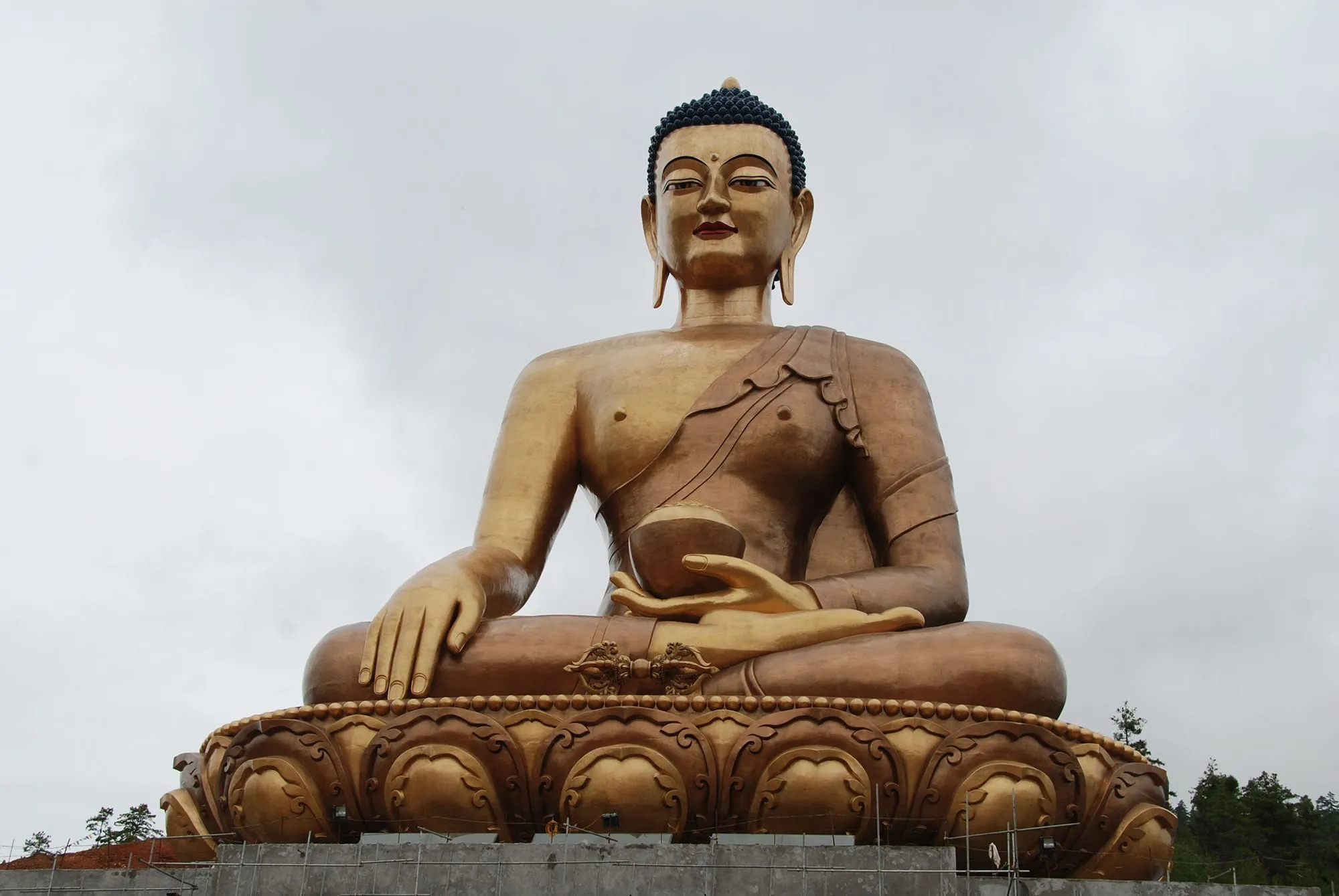
| Buddha Dordenma | 45 mins–1 hr | Vehicles reach the plaza; a broad flight of steps to the statue | Year-round; clearest Oct–Feb |
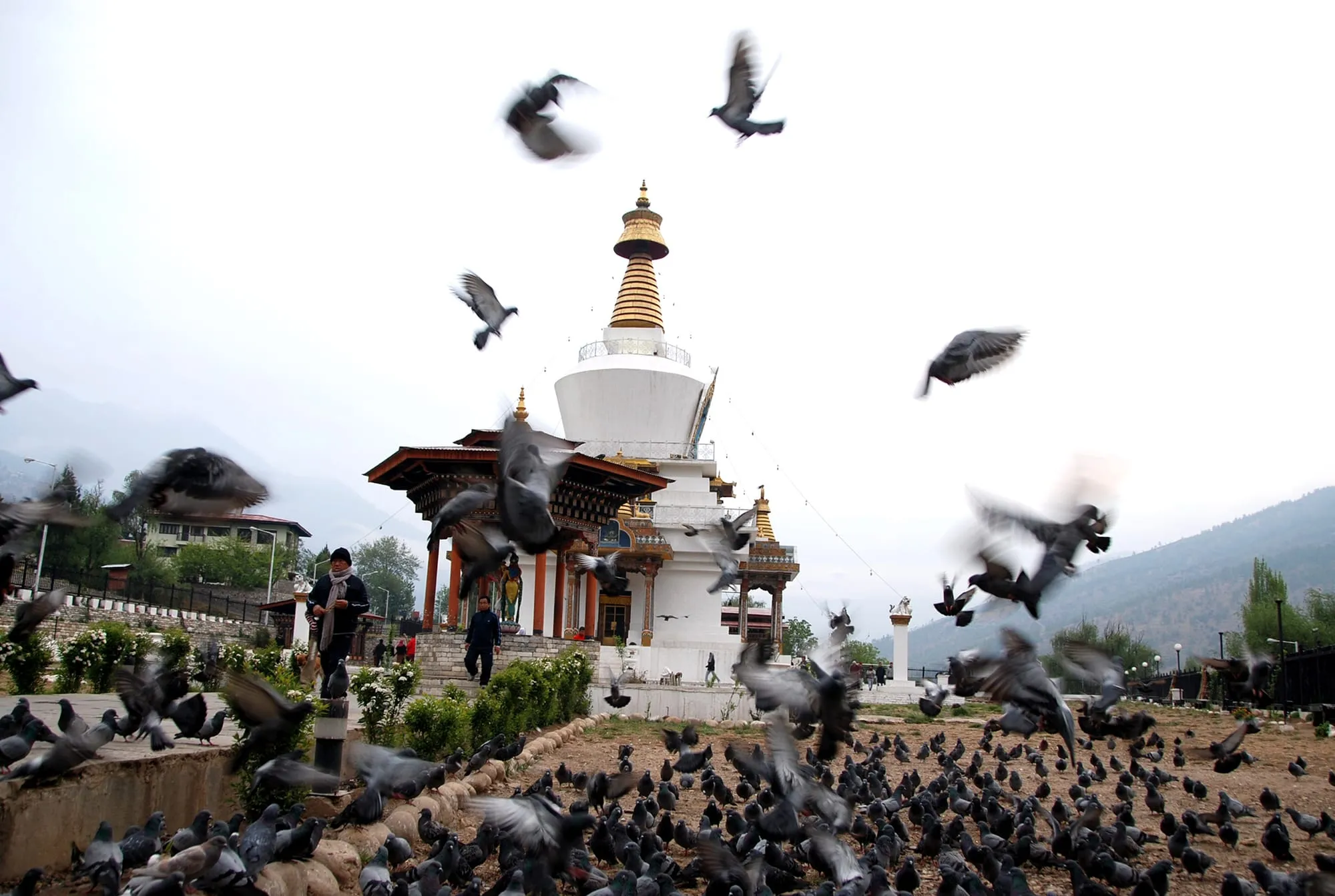
| National Memorial Chorten | 30–45 mins | Level paved circuit; steep stairs only if you go inside | Year-round, early morning |
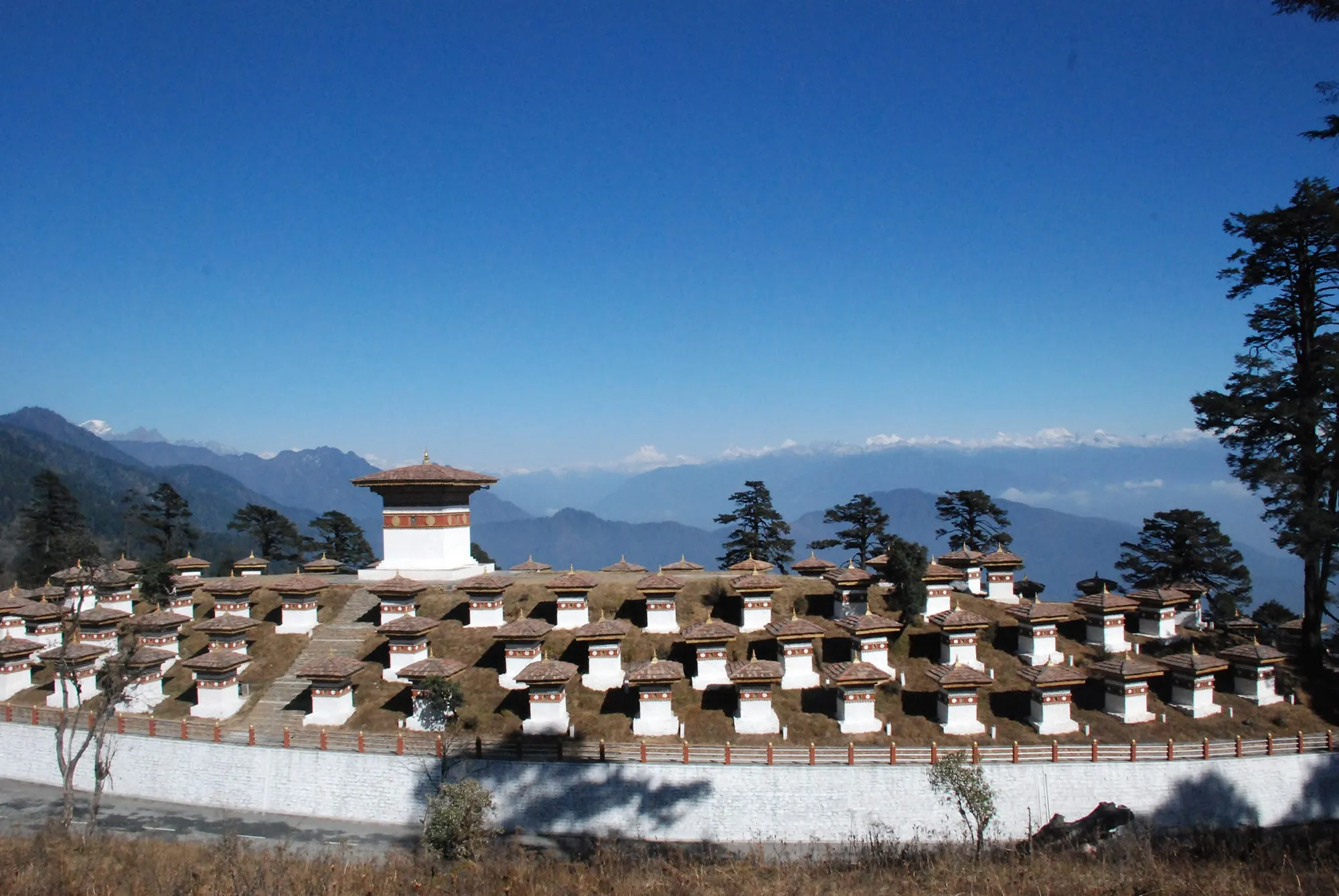
| Dochula Pass | 30–45 mins at the pass | Near-level from the car park; the upper chorten tiers are steps | Oct–Feb for the mountains |
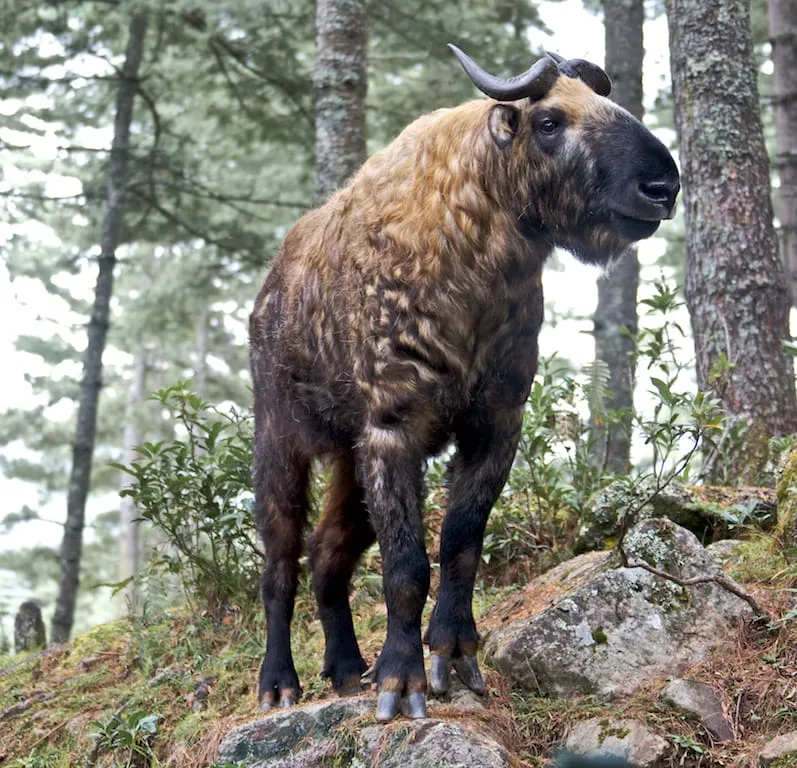
| Motithang Takin Preserve | 30–45 mins | Gravel walkway along the enclosure, gentle slope from the gate | Year-round |
| Changangkha Lhakhang | 30–45 mins | A flight of steps up from the car park | Year-round, mornings |
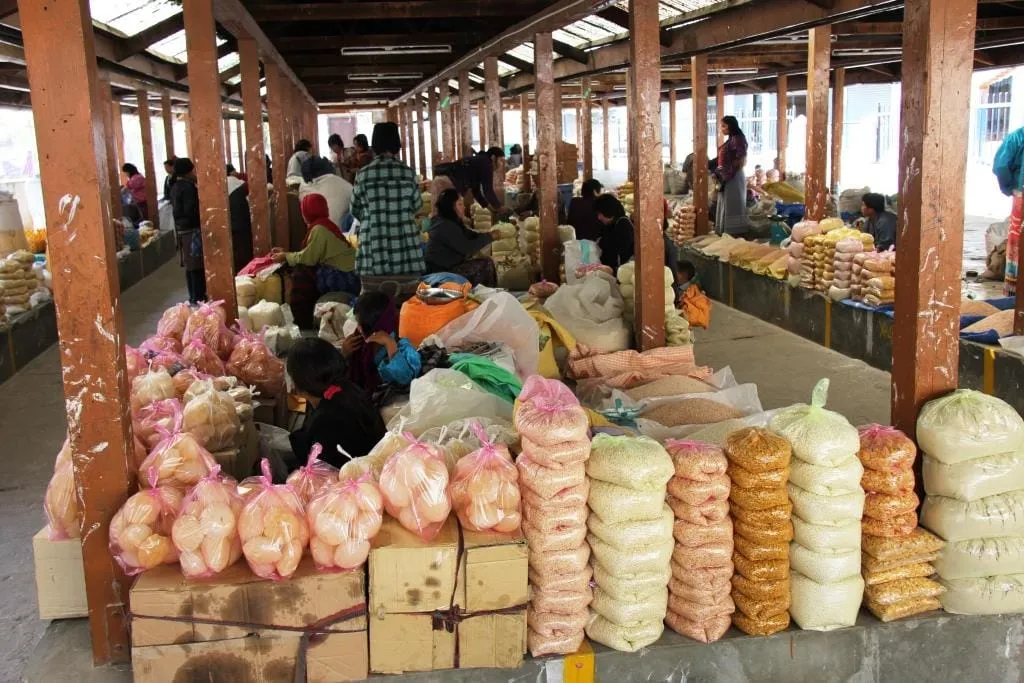
| Centenary Farmers’ Market | 45 mins–1 hr | Level approach; stairs to the upper floor | Fri–Sun only; fullest in autumn |
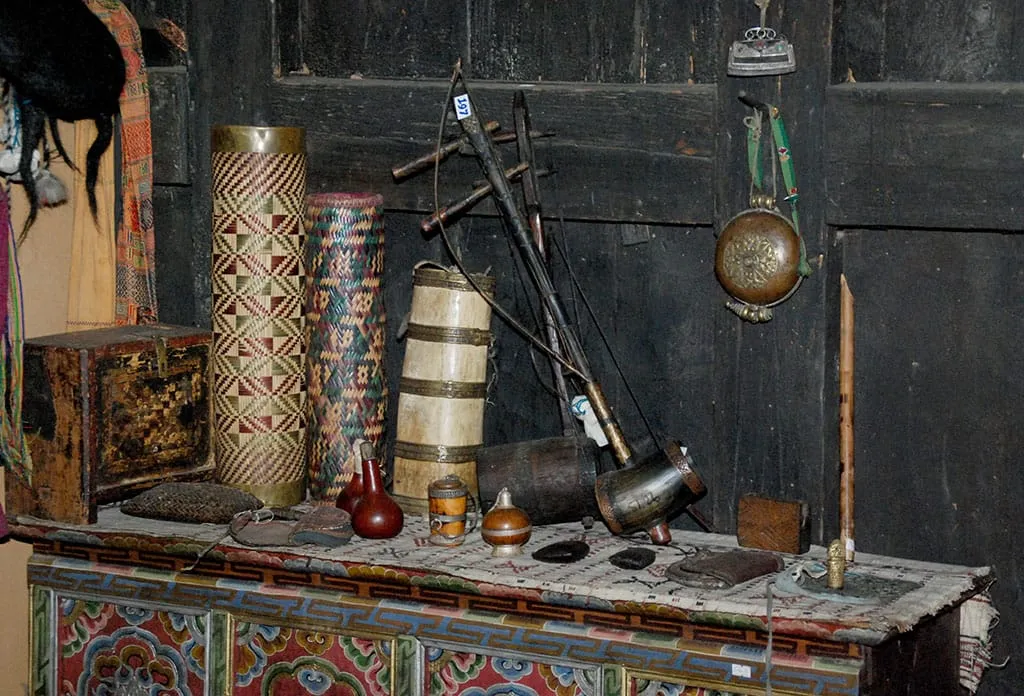
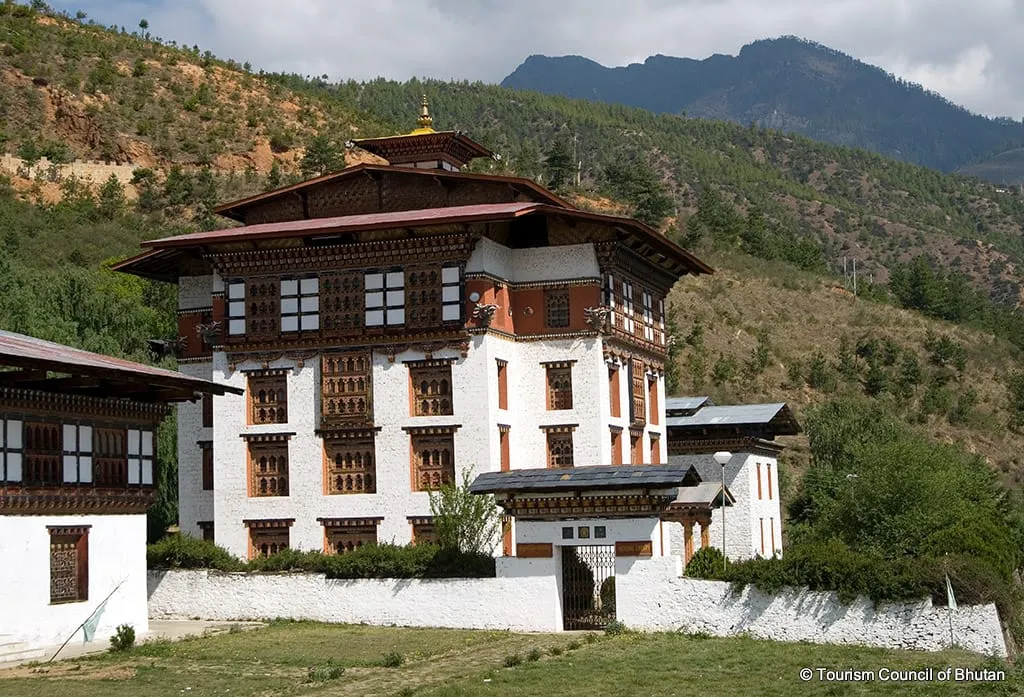
| Folk Heritage Museum | ~1 hr | Steep farmhouse stairs and a notched-log ladder between floors | Year-round |
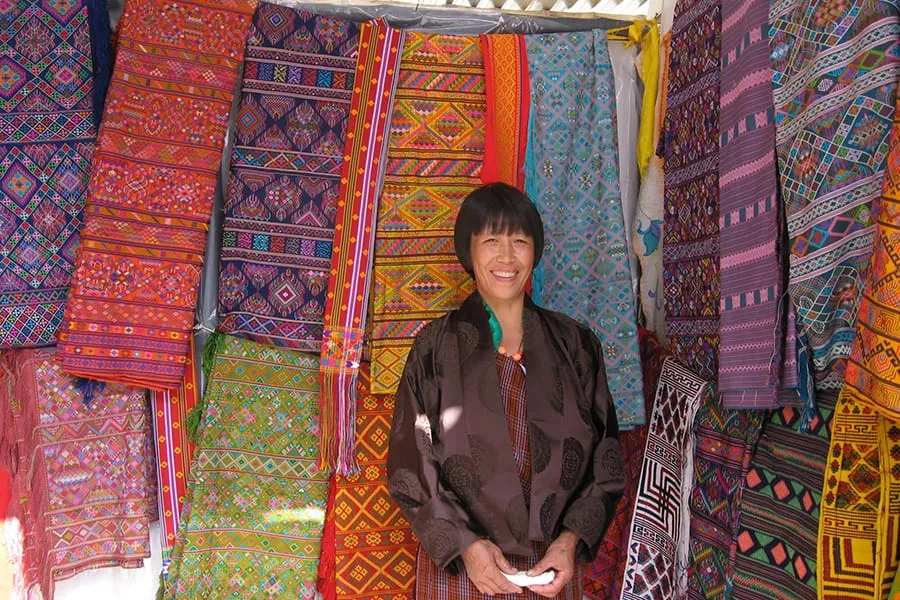
| National Textile Museum | 45 mins–1 hr | Two floors, all indoors | Year-round |
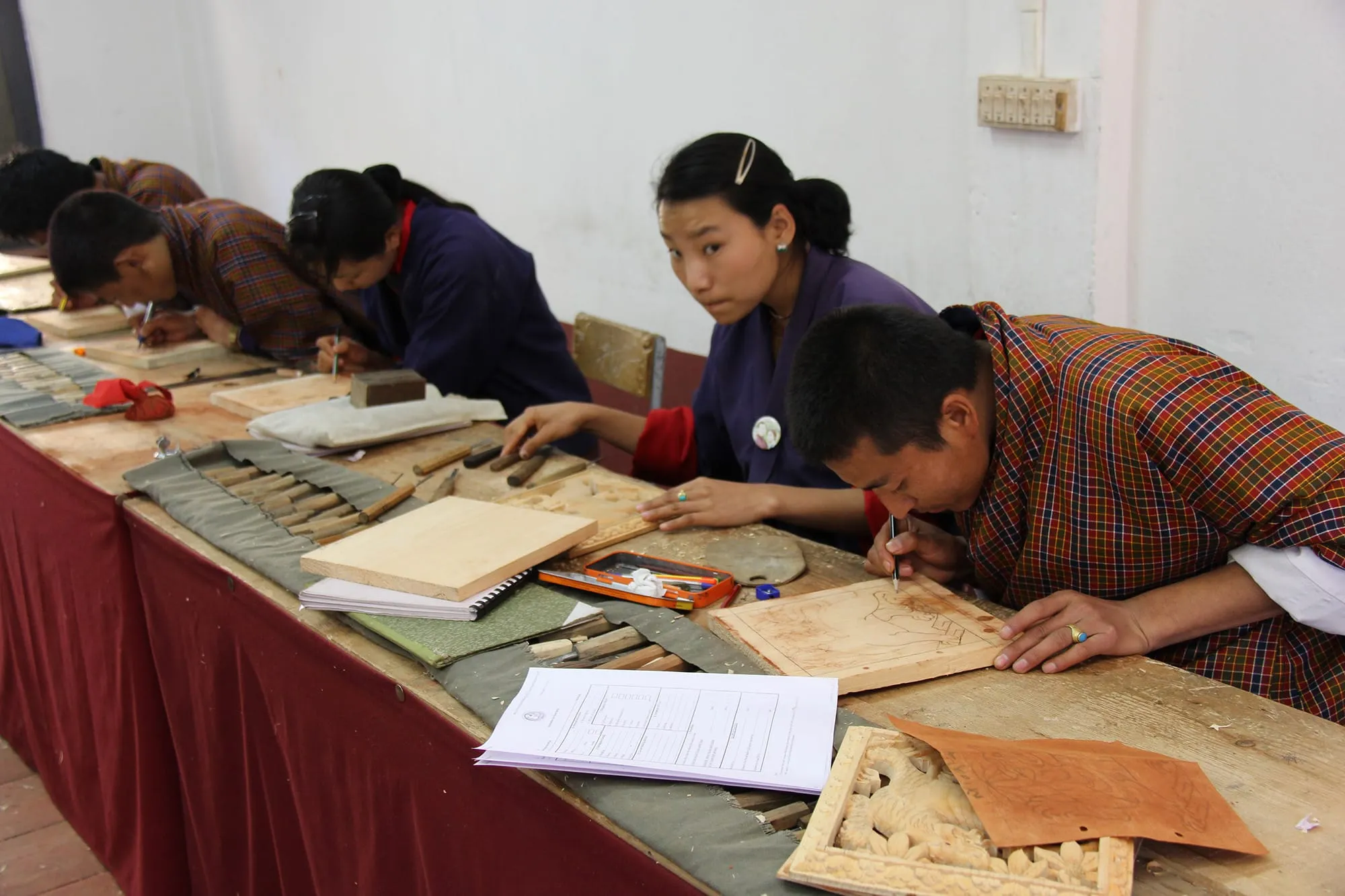
| Zorig Chusum arts school | 45 mins–1 hr | Workshops across several floors and buildings | Weekdays in term time |
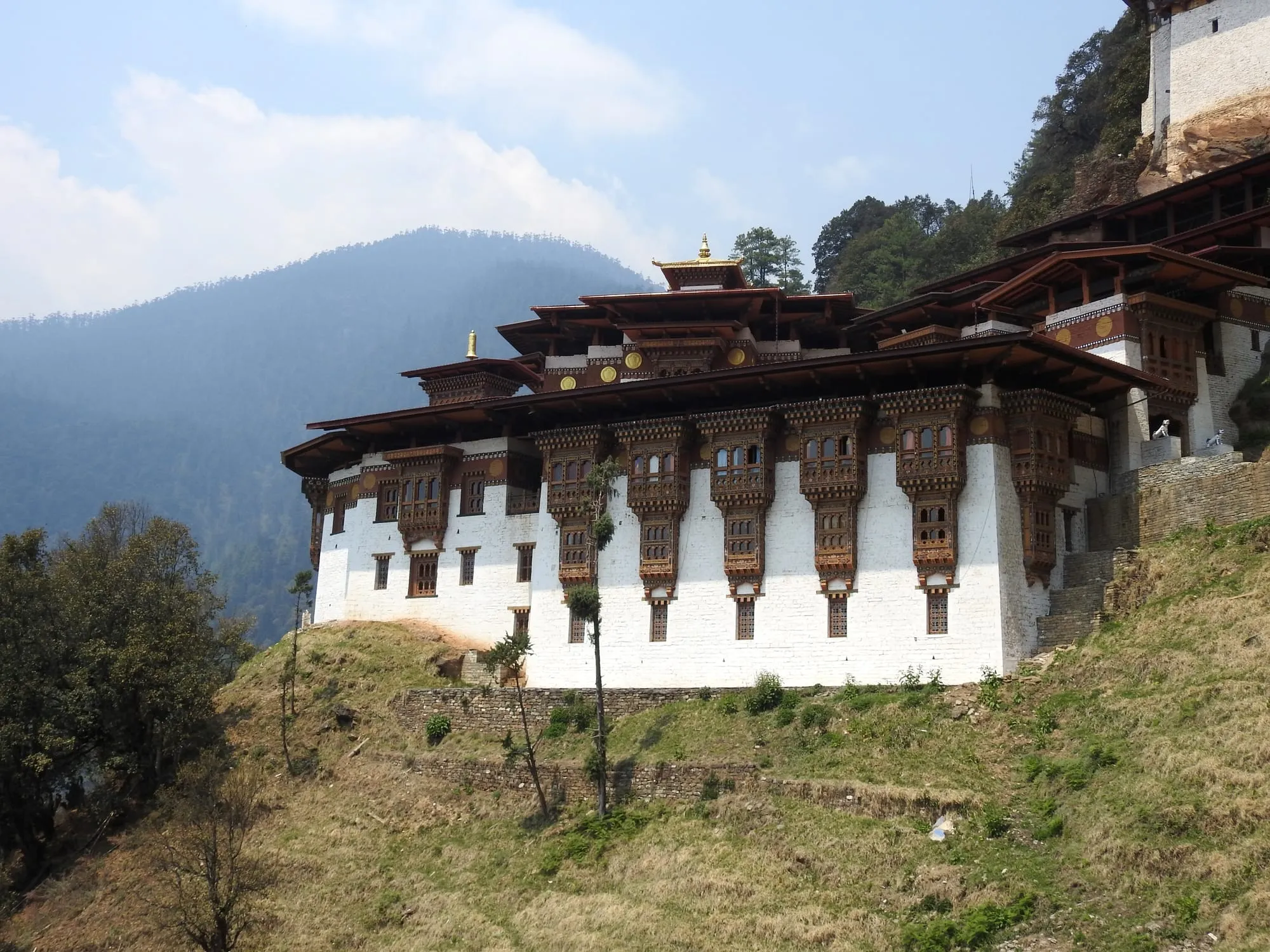
| Tango and Cheri | Half a day for one; a long day for both | A steep hour up each, on rough path | Mar–May, Sep–Nov |
| Wangditse hike | 2–3 hrs | 1.7 km each way on a near-level hill path — the gentlest walk in Thimphu | Mar–May, Sep–Nov |
| National Library | ~30 mins | Four floors of stairs; the giant book is on the ground floor | Weekdays |
| Traditional medicine institute | ~30 mins | Indoors, and it is a working hospital | Ask us — visitor access varies |
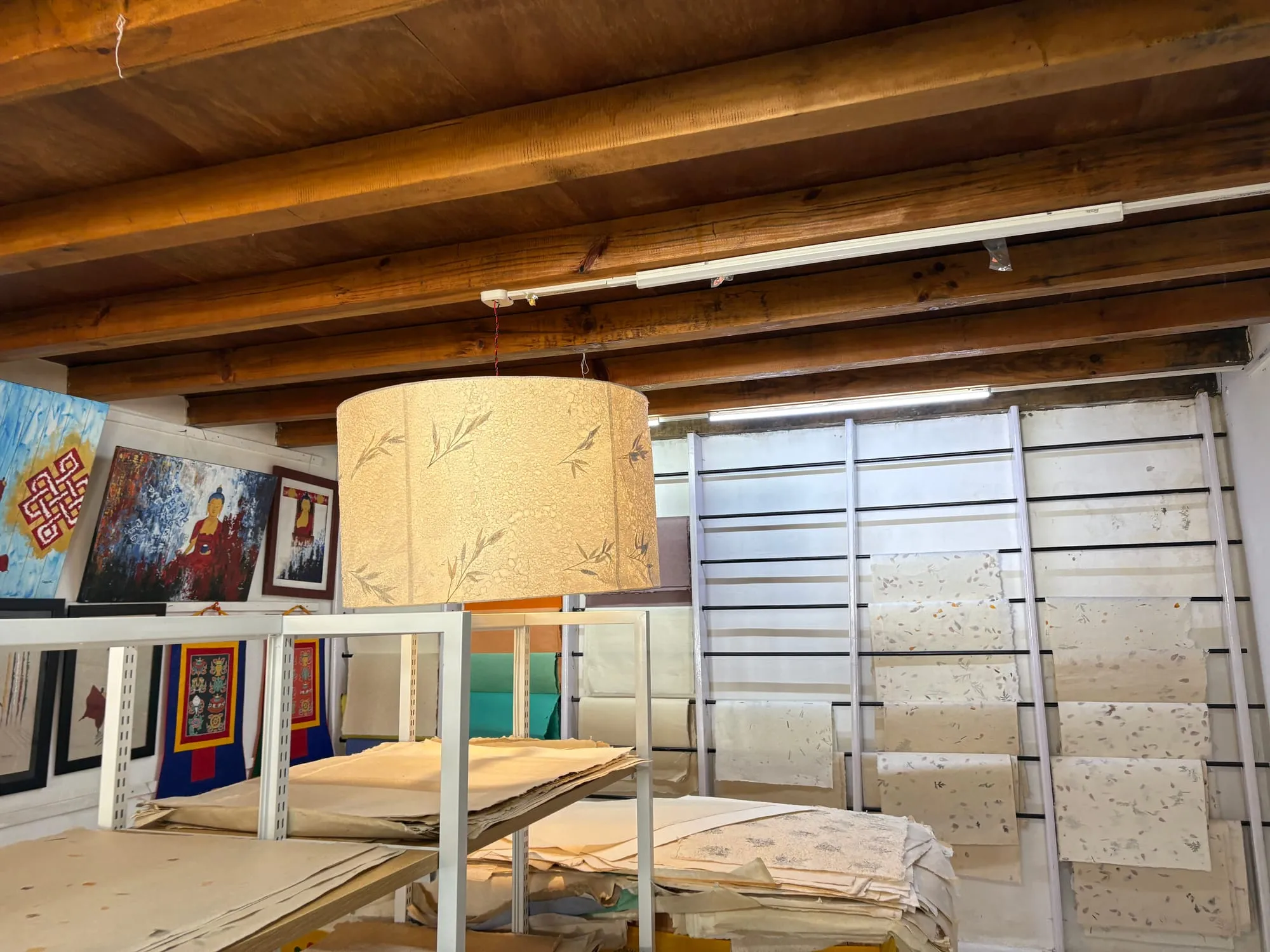
| Jungshi paper factory | 20–30 mins | Single-level workshop with a wet floor | Ask us — we check the mill is running |
| Dechen Phodrang | ~30 mins | Steps up from the road and between floors | Late afternoon, in term time |
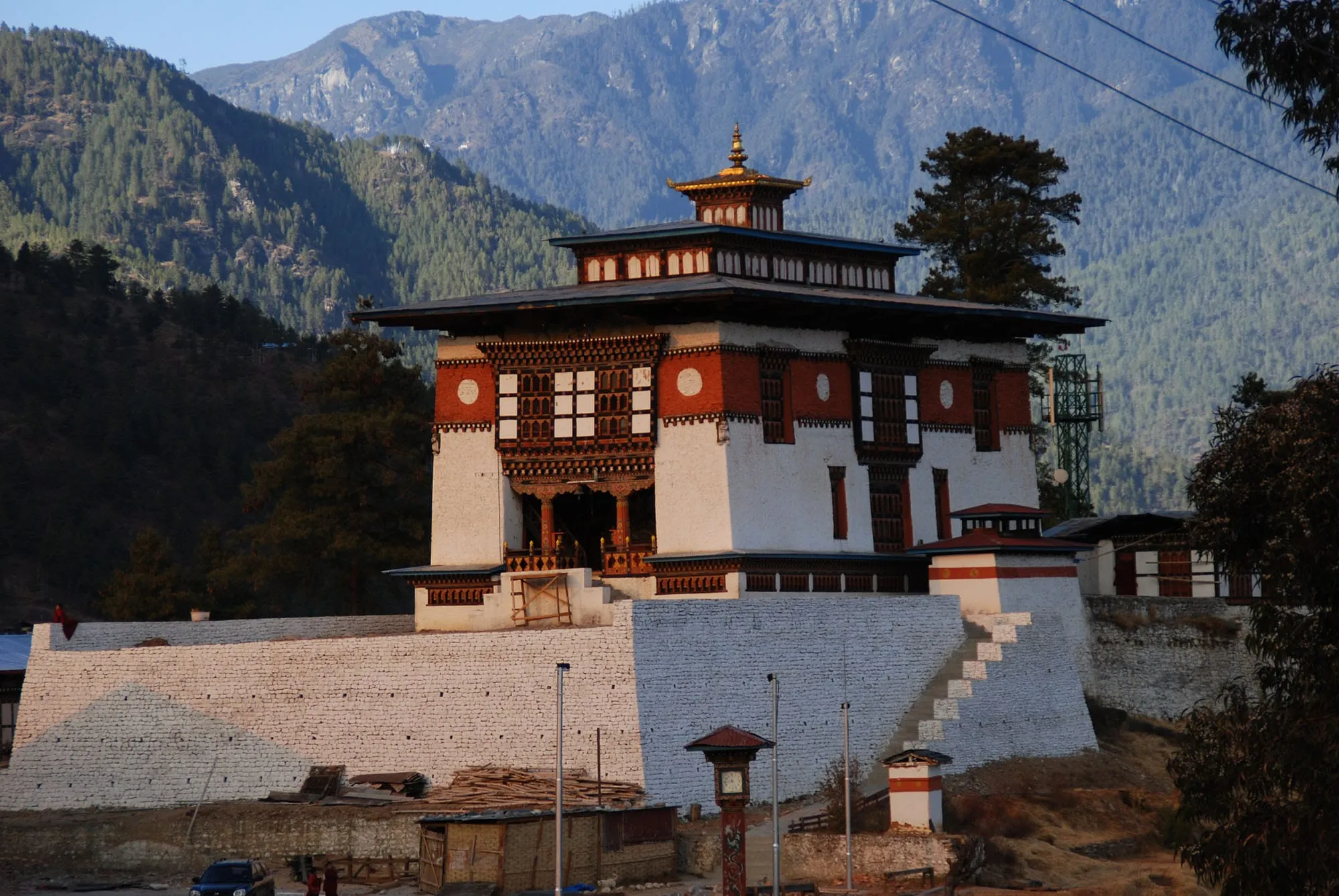
| Pangri Zampa | 30–45 mins | Flat valley-floor site; steps into the temple | Year-round |
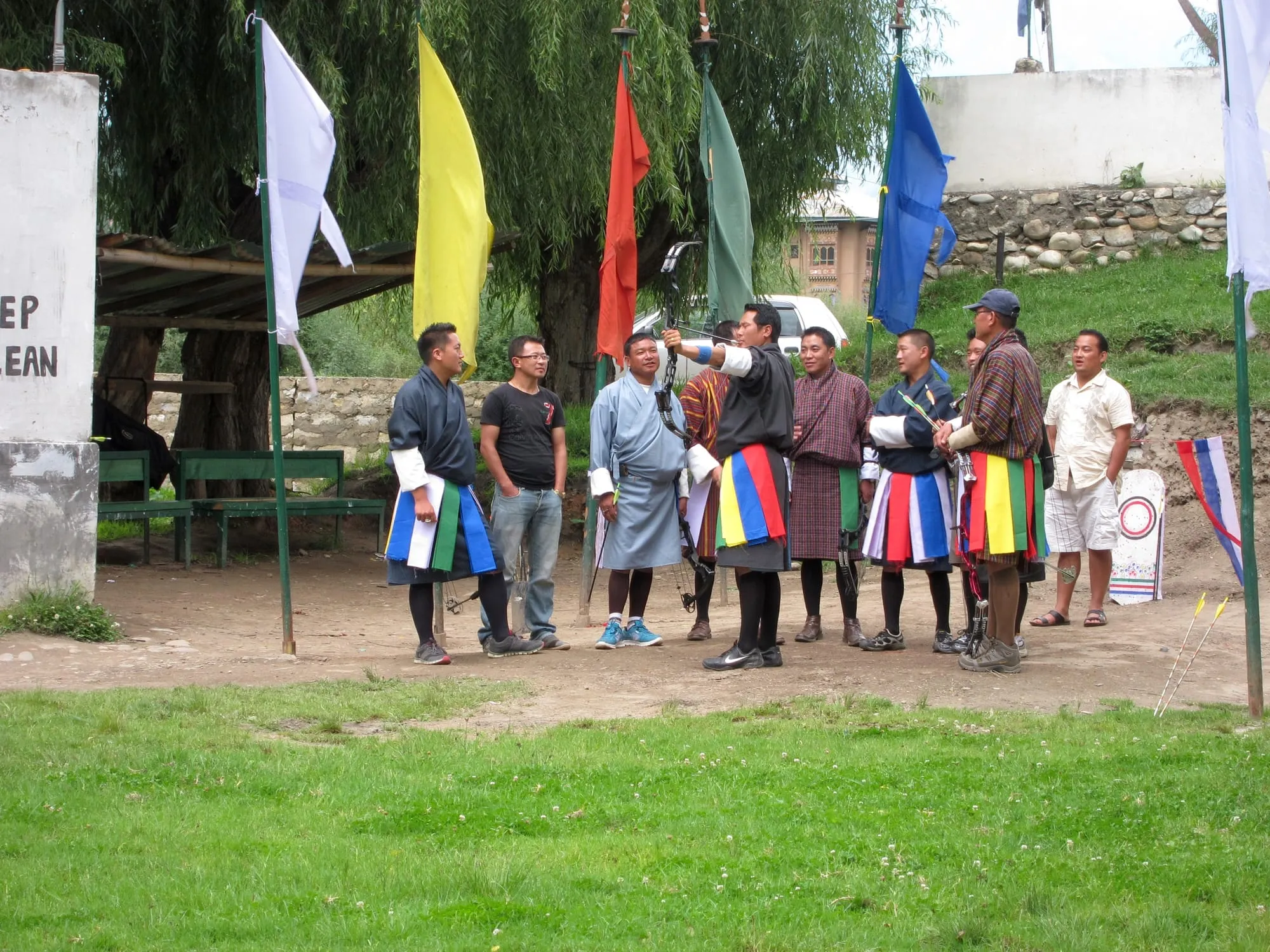
| Changlimithang archery | 20–30 mins | Level standing ground at the safe end | Weekends |
Three monuments in Thimphu charge admission, and each is Nu 500: Tashichho Dzong, the National Memorial Chorten and Changangkha Lhakhang. Those are the rates the Department of Tourism set with effect from 15 March 2023, when monument fees were halved and the charging list was cut to seven sites nationwide — Buddha Dordenma and Simtokha Dzong are named in the same circular as carrying no charge. That list has grown since, so treat any fee table dated to it as a floor rather than the whole story. The museums here sit outside the monument schedule and charge their own admission. All of it is included in every tour we run — your guide handles the tickets, so you are not paying at each gate.
The opening days are the real constraint
Thimphu is the one place in Bhutan where which day you arrive changes what you can see — and the constraints pull in opposite directions.
Better at the weekend:
- Centenary Farmers' Market — Friday morning to Sunday night, and nothing at all Monday to Thursday.
- Changlimithang archery — matches at weekends, sometimes on a weekday evening.
- Tashichho Dzong — open through the day at weekends and on government holidays. On a working day, tourists only after the civil service goes home, from around five.
Weekdays only:
- Zorig Chusum arts school — weekdays in term time, closed at weekends and through the school holidays.
- National Library — government office hours, closed at weekends.
So there is no perfect day. A Monday-to-Thursday stop misses the market entirely and gets you only the last hour at the dzong. A weekend buys you the market, the archery and a daytime dzong, and costs you the arts school and the library. If you're spending two nights, straddle a Friday and you get all of it.
How to spend a day here
The classic single day: Memorial Chorten first thing, while the circumambulation is at its fullest; up to Kawajangsa for the Folk Heritage Museum and the arts school; across to the takin preserve before lunch; Tashichho Dzong at five when it opens to visitors; and Buddha Dordenma for sunset, because nothing follows it well.
With a second day, add the walks — Tango or Cheri if you want the climb, the Wangditse path if you don't — plus the Textile Museum, the market if the day is right, and the short stops north of the city at Pangri Zampa and Dechen Phodrang.
Dochula is not really a Thimphu day at all — it's the pass on the road out to Punakha, 45 minutes to an hour up, and you'll see it on the morning you leave. Go early: the mountains are usually gone by eleven.
Getting there
Paro airport to Thimphu is about 47 km and one to one and a half hours on the expressway. It's the drive every visitor makes first, and it follows the Pa Chhu and then the Wang Chhu the whole way.
Onwards, Punakha is 74 km and about two to two and a half hours east over the Dochu La at 3,100 m — see things to do in Punakha for what's at the other end.
The city itself
Thimphu sits between about 2,250 m and 2,650 m in a north–south valley, with a city population of 114,551 at the 2017 census in a district of 138,736. It became Bhutan's capital in stages — chosen in 1952, formally established in 1961 — and it is the seat of both the government and, in summer, the Central Monastic Body.
It is also, famously, the only capital city in the world without traffic lights — and Thimphu will tell you this isn't for want of trying. A signal was installed at the main junction and then taken out again after the public made it clear they preferred the policeman. He is still there, in white gloves, directing traffic from a painted box on Norzin Lam, and people still stop to watch him work.
When to come
March to May and September to November are the best months: clear, dry and comfortable for walking. The Thimphu Tshechu, one of Bhutan's largest festivals, fills the dzong's courtyard in September or October — the date moves with the lunar calendar, so check with us before building a trip around it, and book early because the city fills.
Winter is cold but bright, and it's the season for the long view from Dochula. The monsoon, mid-April to September, is green and wet, which matters more for the walks than for the museums.
Attractions in Thimphu
Tailor-made travel
Begin your journey to the Last Shangri-La
Every Little Bhutan itinerary is private and tailor-made. Tell us what draws you to Bhutan — festivals, treks, monasteries, food — and we will design the journey around it.