
Things to do in Western Bhutan
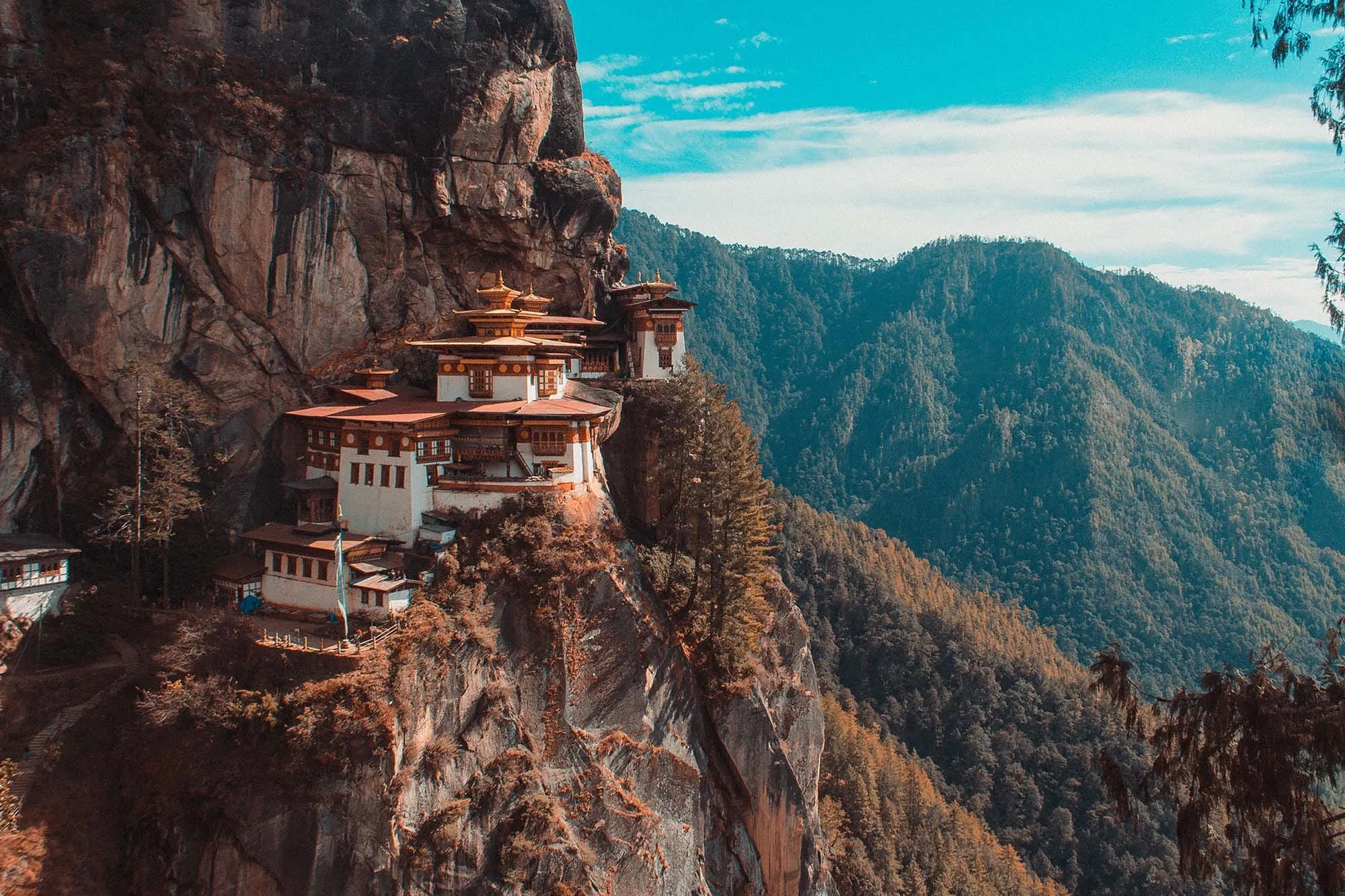
Western Bhutan is where nearly every first trip happens: you land at Paro, sleep in the capital, cross the Dochu La into a warm valley on the far side, and climb to Tiger's Nest one morning. Western here is how our itineraries group the twenty dzongkhags — the ones the roads put together.
Which districts count as western Bhutan
On this site, western Bhutan means nine dzongkhags: Paro, Thimphu, Punakha, Wangdue Phodrang, Haa, Gasa, Chhukha, Samtse and Dagana.
It is our grouping, and it is about roads rather than a line on the ground. Two of the nine sit as far south as they do west — Samtse is Bhutan's far southwest, facing Sikkim and West Bengal, and Dagana is southwestern hill country above the same plain. They are here because of the corner of Bhutan they occupy and the way you drive to them.
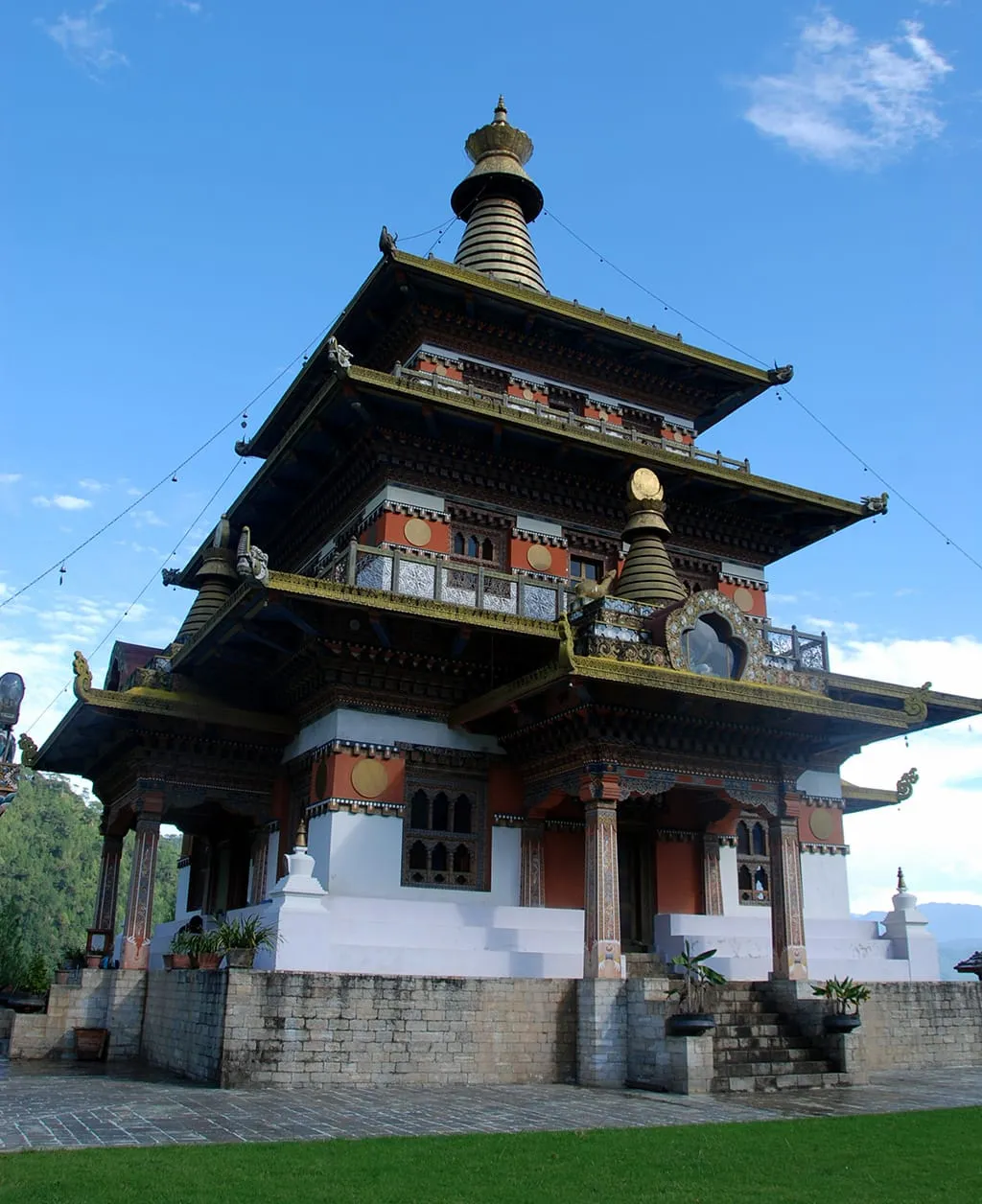
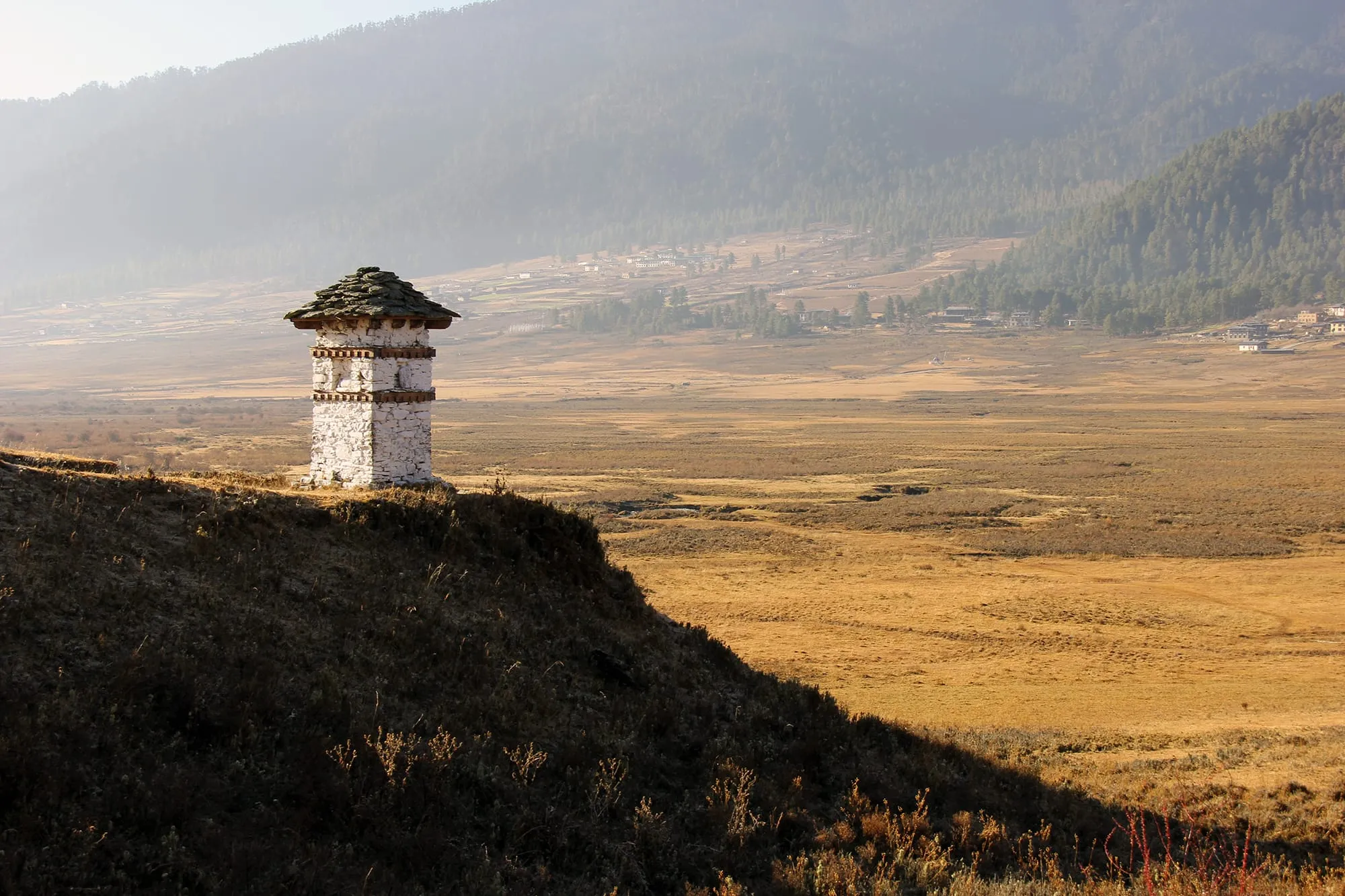
Paro, Thimphu and Punakha are on almost every itinerary we run, and Wangdue Phodrang is on many of them. Paro is the valley you land in, and it holds Tiger's Nest, the dzong, the National Museum and one of the country's two oldest temples. Thimphu is the capital, with more to see than anywhere else in Bhutan and less that is unmissable. Punakha is the warm, low valley over the pass — the dzong at the river confluence, Chimi Lhakhang and the suspension bridge. Wangdue Phodrang holds Phobjikha, the glacial valley where the black-necked cranes come down from Tibet for the winter.
The other five are quieter and each has one reason to go. Haa was closed to foreign visitors until 2002 and is reached over Chele La from Paro. Gasa is high northwest country, hot springs and the gateway to Laya. Chhukha is the district you arrive through overland, with Phuentsholing at the bottom of it. Dagana is homestay-and-village country around a dzong of 1651. And Samtse is a working border and farming district with one thing on its page and no pretence otherwise.
How many days does it take
Three days to about a week, on our own published itineraries.
Two nights in Paro and Thimphu is the short version, and it is really an airport valley and a capital. Six nights on our western Bhutan tour adds Punakha and the Phobjikha valley. Seven on the longer one puts Haa in as well, over Chele La.
Two of the nine sit outside that arithmetic. Gasa is trekking country — our Laya–Gasa trek is fifteen nights, and Laya itself is at the end of a four-to-five-hour walk. And no tour on our published list stops in Samtse: everything we run is private and built to order, so ask if you want it in.
How you get around
One road does most of the work, and the distances mislead — plan by hours.
Paro to Thimphu is 50 km and one to one and a half hours. Thimphu to Punakha is 74 km and about two to two and a half hours, over Dochula Pass at 3,100 m, whose 108 chortens make the crossing a stop rather than a transit. If you come overland instead of flying, Thimphu to Phuentsholing is 165 km and about five to five and a half hours, down through Chhukha to the Indian border.
Everything else here branches off that spine. Haa is over Chele La from Paro; Gasa is north of Punakha and ends in a walk; Samtse and Dagana are separate journeys off the southern road, not detours. Full drive times for the whole country are in our getting to Bhutan guide.
When to come
October is the best all-round month, with May and November the shoulder picks — clear skies, the big festivals, and none of the peak-season squeeze in the two months either side.
The monsoon runs June to August. For cultural travel it is better than its reputation: rain falls mostly in afternoon and overnight bursts, the valleys are at their greenest and hotels are quietest. Trekking is the thing to avoid then.
Altitude does more here than season. Paro and Thimphu sit at about 2,200–2,300 m; Punakha is a full thousand metres lower and stays mild all winter, which is why our winter itineraries lean on it. See when to visit Bhutan for the month-by-month version.
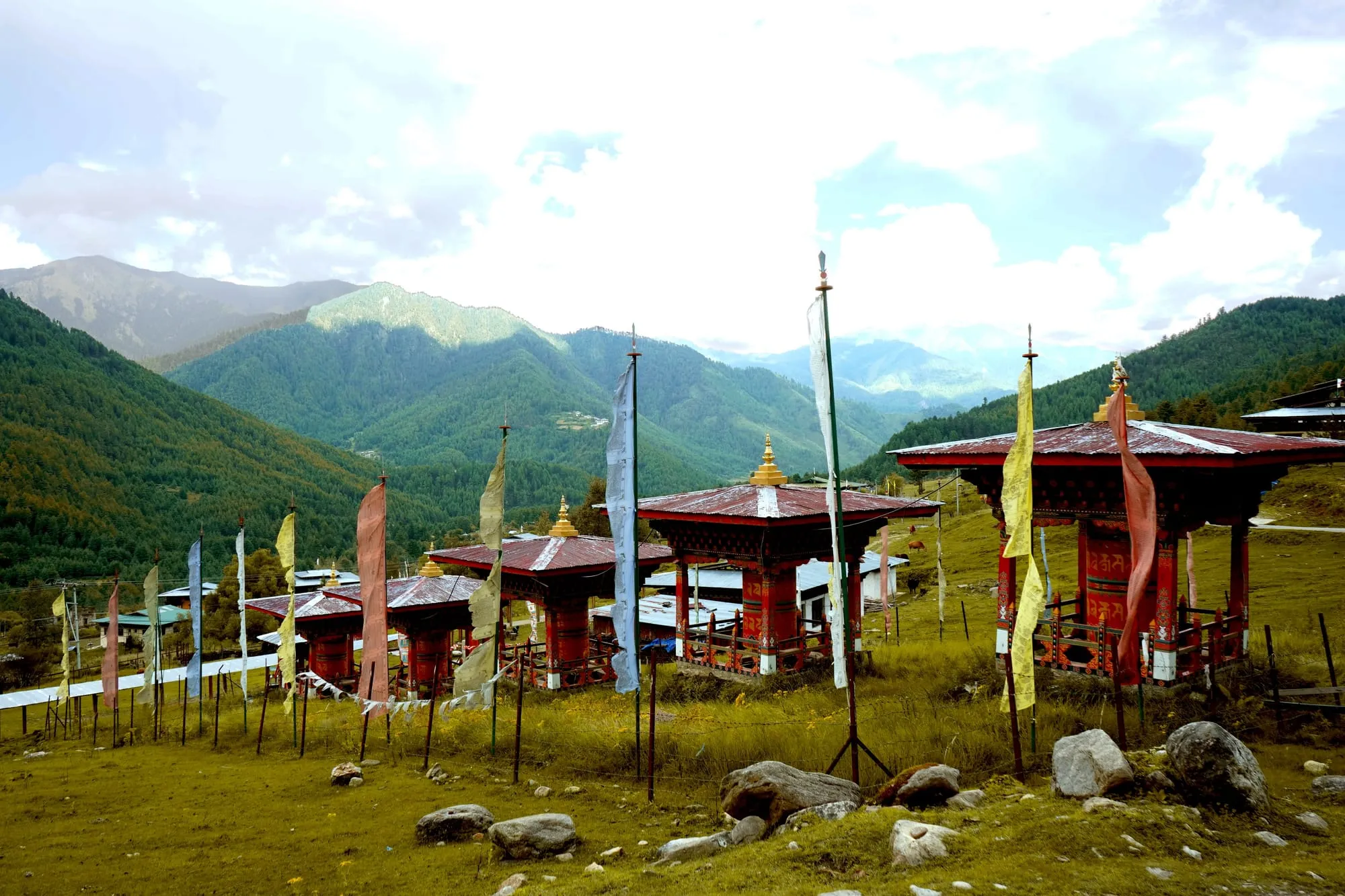
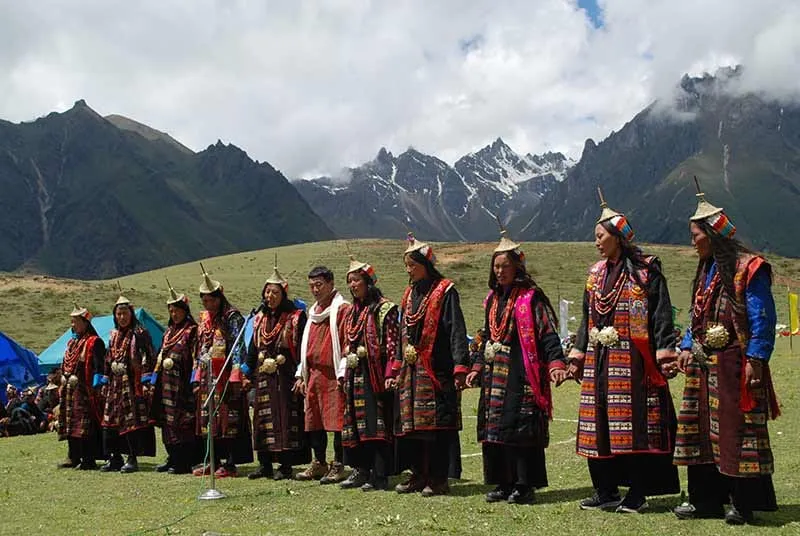
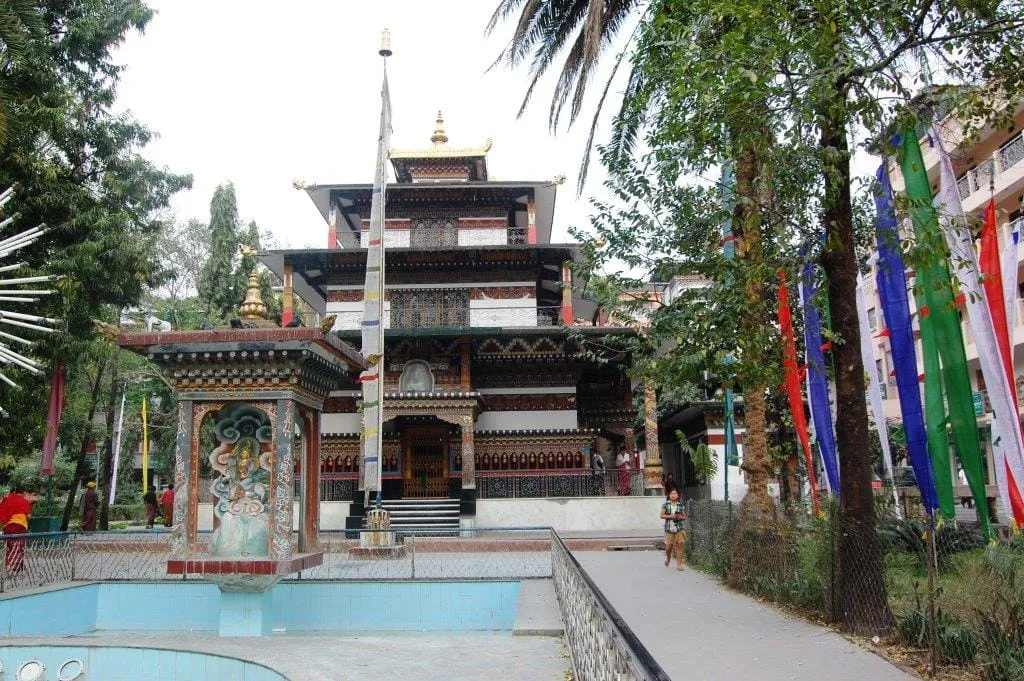
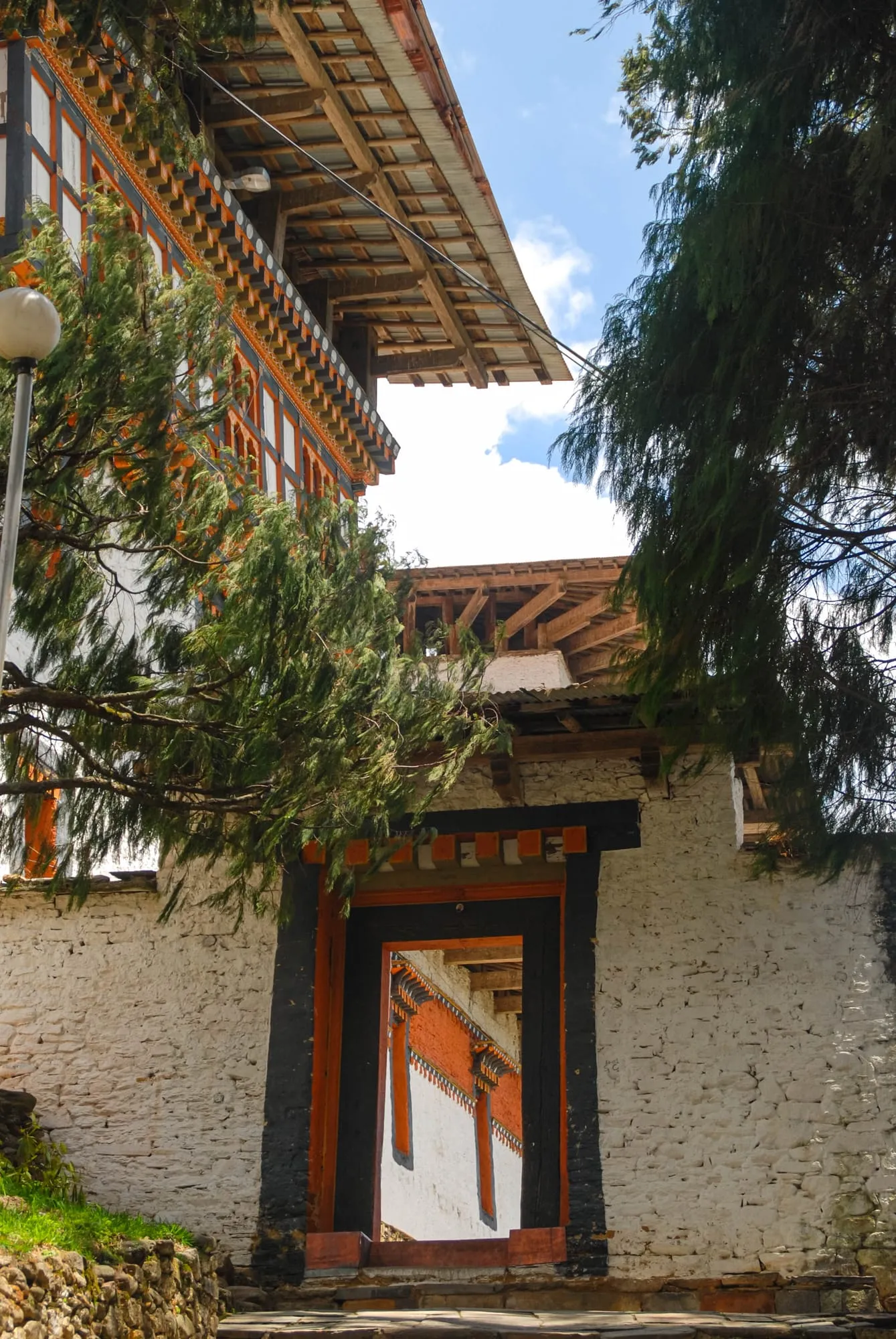
Districts in Western Bhutan
Tailor-made travel
Begin your journey to the Last Shangri-La
Every Little Bhutan itinerary is private and tailor-made. Tell us what draws you to Bhutan — festivals, treks, monasteries, food — and we will design the journey around it.