
Things to do in Paro
Paro is the valley every visitor lands in, and it holds the one sight nobody leaves Bhutan without: Tiger's Nest. The other twelve below are smaller, closer together and easier than you expect. Two nights covers the hike plus the dzong-and-museum cluster in town. A third buys you Chele La, the head of the valley, and an afternoon that isn't scheduled.
Things to do in Paro, compared
| Attraction | Time needed | Legwork | Best season |
|---|---|---|---|
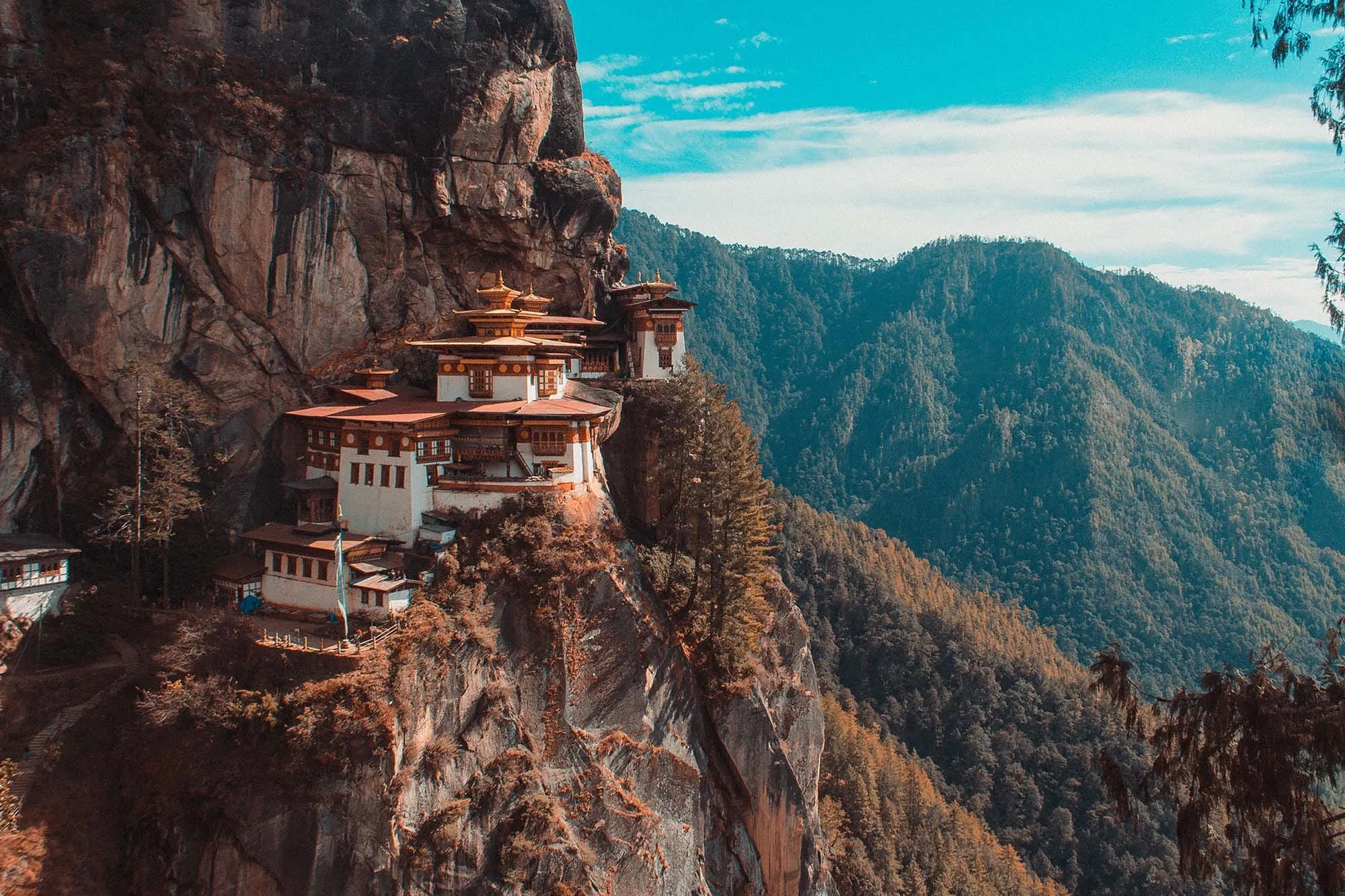
| Tiger's Nest (Paro Taktsang) | 5–6 hrs round trip | A sustained uphill hike, ~6 km round trip, stone steps at the end; a pony covers the first half of the ascent only | Mar–May, Sep–Nov |
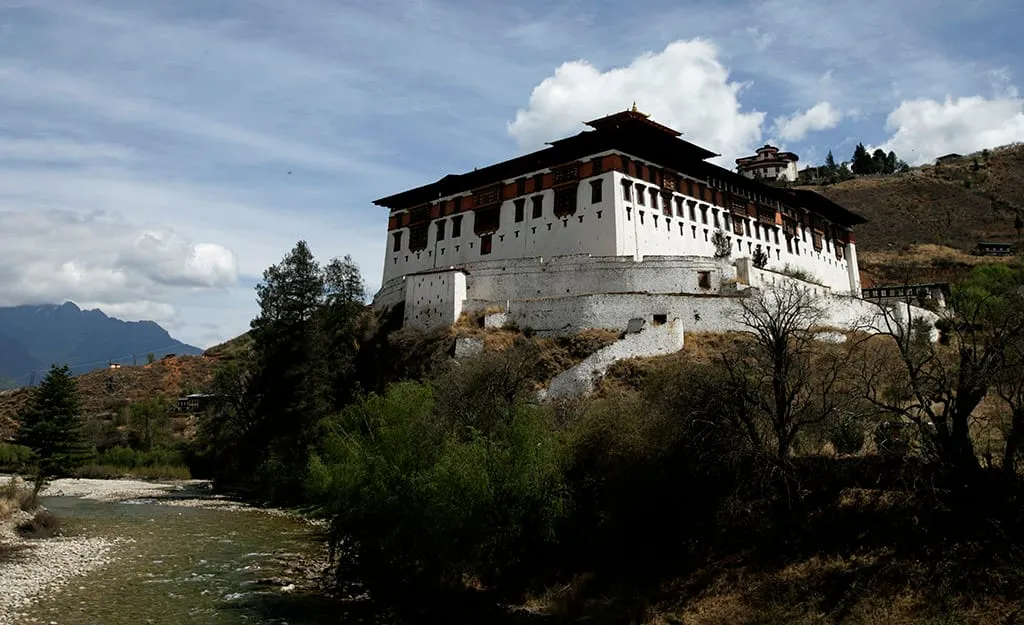
| Rinpung Dzong | 1–1.5 hrs | The bridge, then a steep approach; courtyards on several levels | Mar–Apr (Tshechu); Mar–May, Sep–Nov |
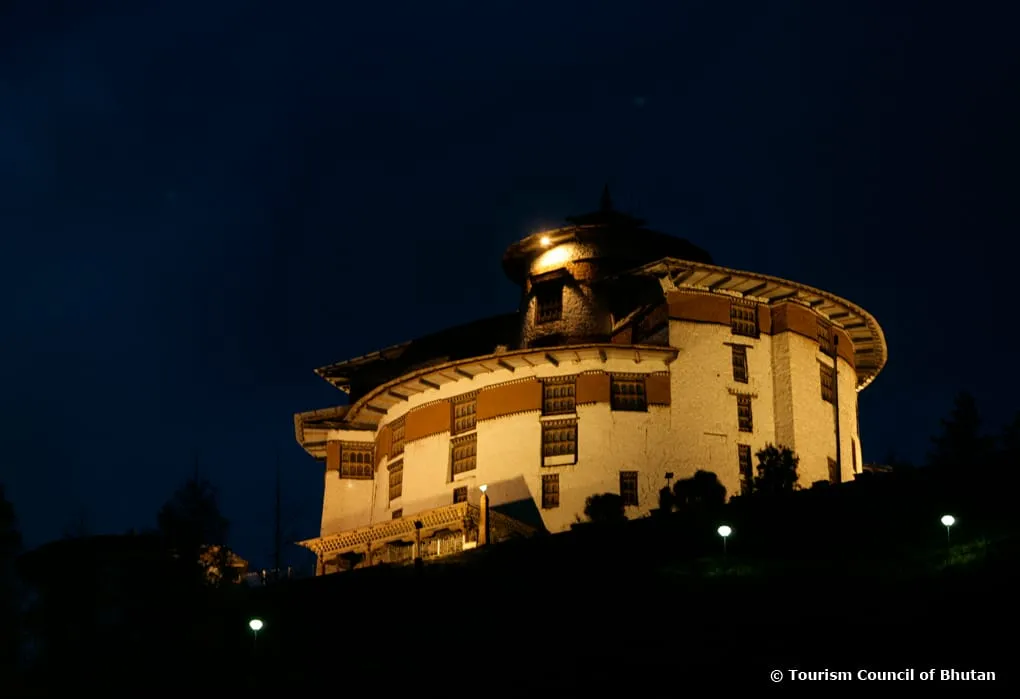
| National Museum (Ta Dzong) | 1–1.5 hrs | A short steep climb or a drive above the dzong; seven levels inside | Year-round, daily 9–5 |
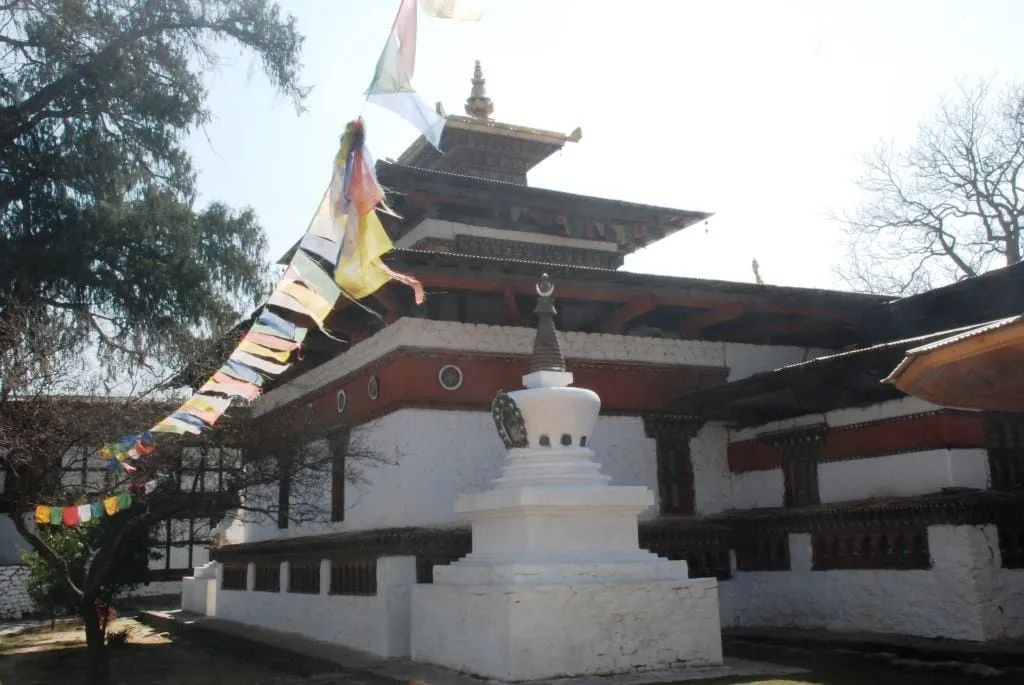
| Kyichu Lhakhang | 30–45 mins | Level courtyard, a few steps into each temple | Year-round, early morning |
| Dungtse Lhakhang | 20–30 mins | Three floors of steep stairs inside a chorten, and it is unlit, so bring a torch | Year-round; ask us whether it's open |
| Drugyel Dzong | 30–45 mins | A level walk up from the road to the gate | Oct–Feb for Jomolhari; ask us about going inside |
| Kila Goenpa | 2–3 hrs | A real hike, down from Chele La first, up on the way back, near 3,900 m | Mar–May, Sep–Nov |
| Dzongdrakha | 1.5–2 hrs | A 30–40 min walk up through forest to a cliff ledge | Mar–Apr (its own tshechu); Mar–May, Sep–Nov |
| Tachog Lhakhang | 30–45 mins | Cross the iron-chain bridge on foot; the climb beyond it is steeper than it looks | Year-round |
| Sangchen Choekor Shedra | 1.5–2 hrs | 12 km of rough unsealed road; level once you're there | Ask us, it's a working college |
| Paro airport viewpoint | 20–30 mins | Roadside, with a short walk from the car | Ask us, only worth it around a flight |
| Farmhouse & hot stone bath | 2–3 hrs, an evening | None, you're sitting down | Year-round; best when it's cold |
| The Pa Chhu (Paro River) | Alongside everything else | Level riverside paths in town | Oct–Nov clearest; Jun–Sep high and brown |
Three monuments in Paro charge admission: Tiger's Nest at Nu 1,000, and Kyichu Lhakhang and Dungtse Lhakhang at Nu 500 each. The first two are on the schedule the Department of Tourism set with effect from 15 March 2023, when it halved monument fees and cut the charging list to seven sites nationwide. Dungtse became a national monument after that and started charging at the beginning of 2026, so any fee table still quoting the 2023 list of seven is one site short. The same circular names Rinpung Dzong as carrying no charge. The National Museum sits outside the monument schedule and charges its own admission. All of it is included in every tour we run. Your guide handles the tickets, so you are not paying at each gate.
How to spend your days here
The Tiger's Nest day is its own day, and it belongs at the end of your week rather than the start. You will have had five nights in Himalayan valleys by then. The climb is a different climb for it. The Tiger's Nest guide covers the hike in full, including the pony option and how hard it honestly is.
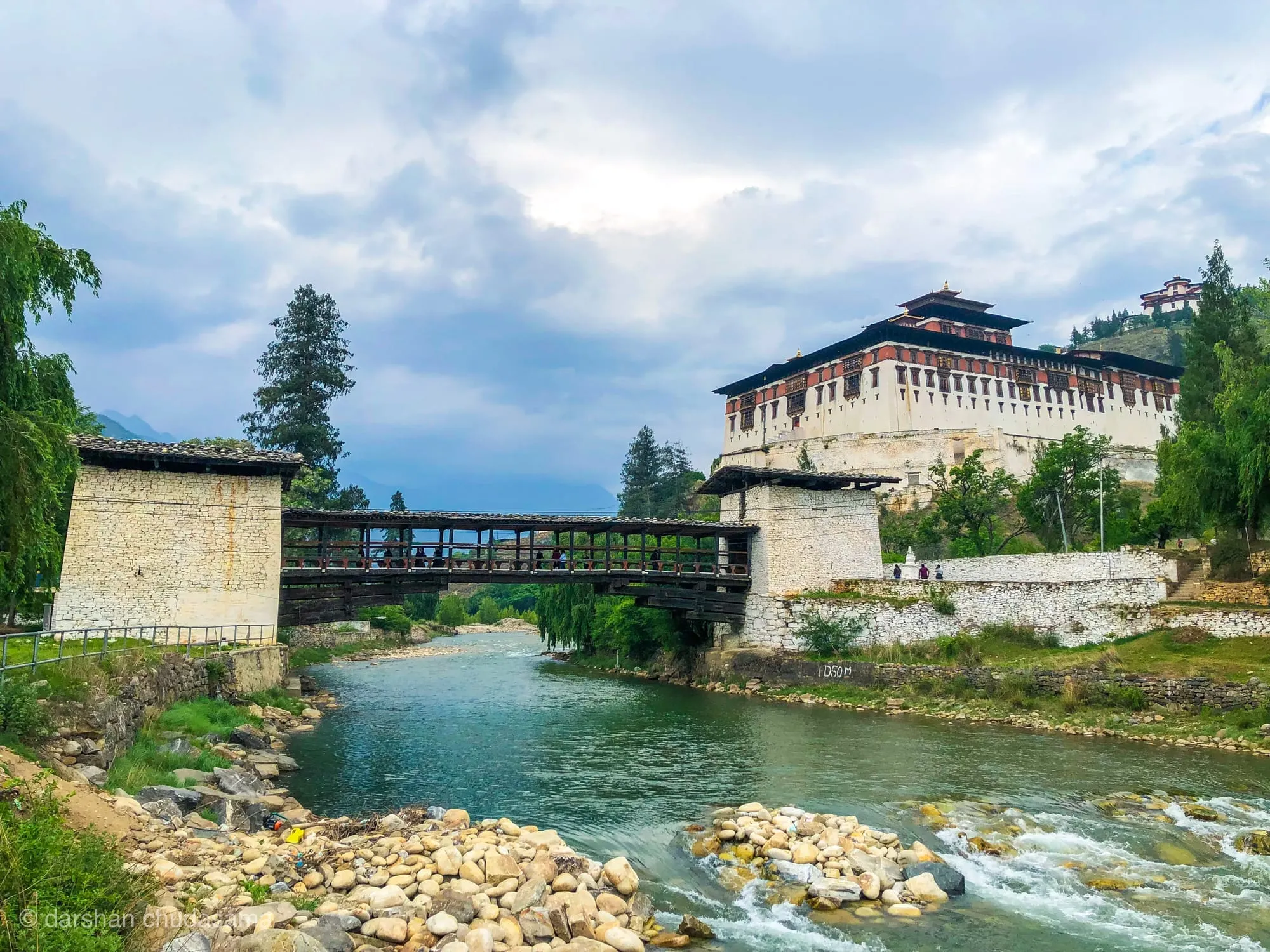
The other day is the town cluster, and it's a comfortable half-day rather than a full one: Rinpung Dzong in the morning light, up to the National Museum in its round watchtower directly above, and out to Kyichu Lhakhang. Kyichu is also the right thing to do on the afternoon you come down off Taktsang, when your legs have gone and you want something small, level and very old. Nothing there is uphill.
With a third night, the choice is between height and depth. Height is Chele La and the walk down to Kila Goenpa. Depth is the head of the valley, where the rebuilt Drugyel Dzong has Jomolhari behind it on a clear winter morning. A day does not hold both.
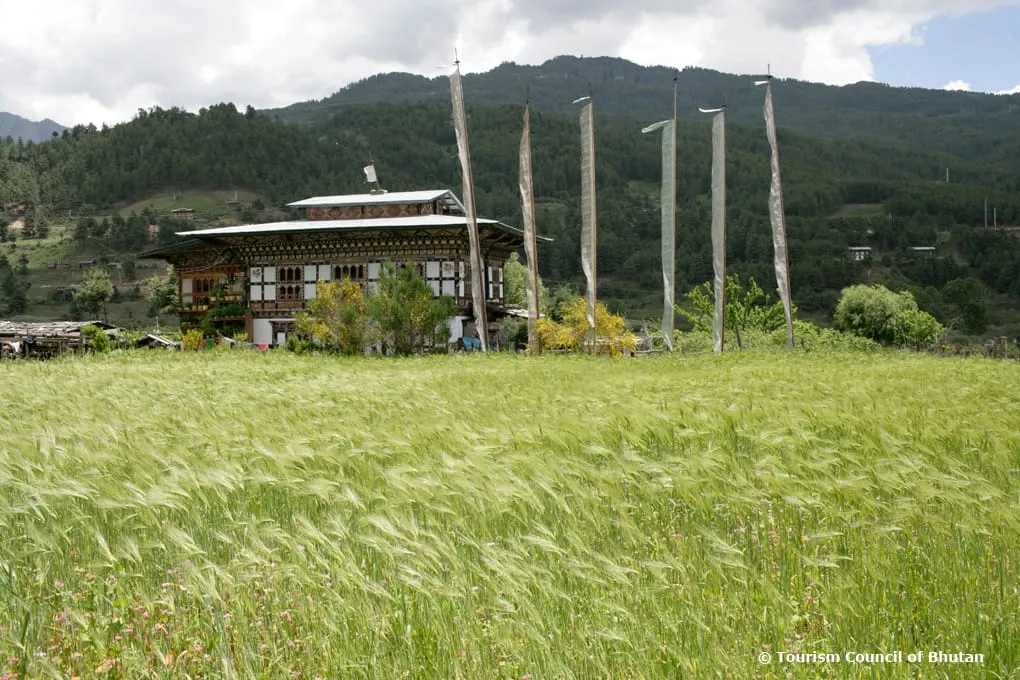
However many nights you have, end one of them at a farmhouse with a hot stone bath. The bath is dotsho: river stones heated in an open fire until they glow, then dropped into a wooden tub of spring water with khempa, artemisia, floating in it. It is what Bhutanese do after a hard day's walking. It is not a gimmick.
Tachog Lhakhang costs you nothing. It sits on the highway between Paro and Thimphu, so it happens on the transfer.
Three things to ask us about first
Paro has a few sights where we don't know from a desk whether you can get in, and we would rather say so than publish a schedule we can't stand behind.
- Dungtse Lhakhang. Accounts split between walking in during daylight and finding a locked door. Your guide rings ahead. Bring a torch either way. There is no lighting inside at all.
- Drugyel Dzong. The reconstruction finished in 2023 and nobody has published what visitors can do there since.
- Sangchen Choekor Shedra. A working college for young monks, with no published term dates and 12 km of rough road to reach it.
Getting here, and getting on
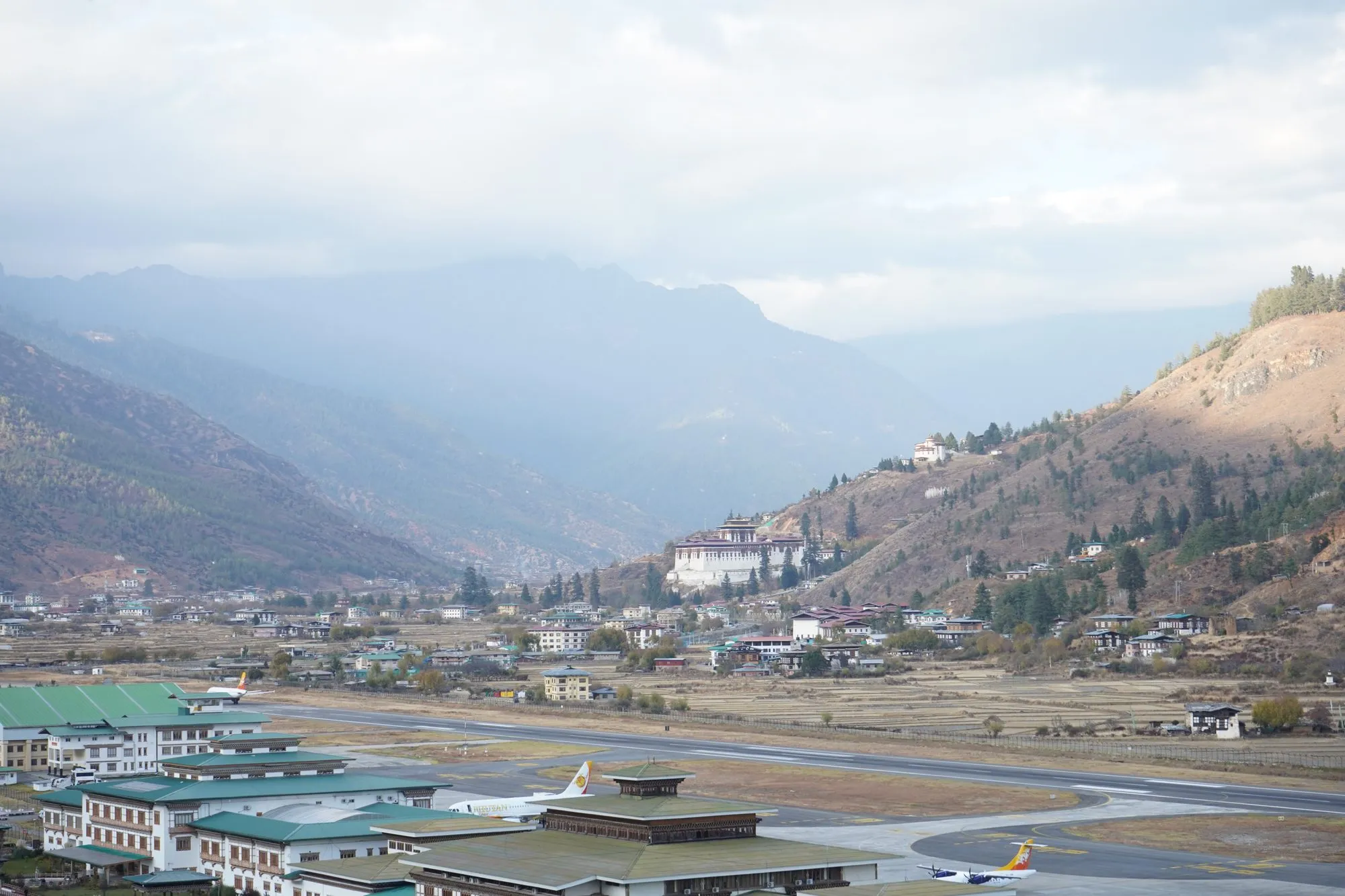
You land here. Paro holds Bhutan's only international airport, and the approach is why people talk about it: a 1,980 m runway at around 2,200 m, ridges on both sides, flown visually rather than on instruments. In 2023, 24 pilots were certified to land there. You can watch the whole thing from the airport viewpoint above Bondey.
Paro to Thimphu is about 50 km and one to one and a half hours on the expressway, following the Pa Chhu and then the Wang Chhu. See things to do in Thimphu for what's at the other end.
The valley itself
Paro town sits at 2,200 m. The 2017 census counted 11,448 people in the town and 46,316 in the district. The district covers 1,293 km², rising from the valley floor to over 7,000 m at Jomolhari on the Tibetan border.
The floor of the valley is flat, wide and fertile in a way little of Bhutan is, which is why Paro grows red rice where most of the country grows barley. Apples and peaches grow here too. The paddies stepping down to the river are what everyone photographs on the way in.
The town itself is a single long street of shops, most of them handicrafts, and it is worth walking end to end once. It takes about twenty minutes and it is the least scheduled thing you will do here.
When to come
March to May and September to November are the best months: dry, clear and comfortable for walking. Annual rainfall is 630.7 mm, and July alone takes 161.2 mm of it, a quarter of the year's rain in one month. The Taktsang trail and the Chele La walk feel that. The museum does not.
The Paro Tshechu fills the Deyangkha ground beside Rinpung Dzong in late March or April, ending when the monks unfurl the thongdrel, an appliqué banner of Guru Rinpoche tall enough to cover the three-storey building it hangs against, at around three in the morning of the final day. It stays up through the early morning, then goes back to the dzong. The dates move with the lunar calendar, so ask us before you build a trip around one, and book early. Current dates are in the festival calendar.
Winter is cold, bright and quiet, and it is the season for the long view up the valley to Jomolhari.
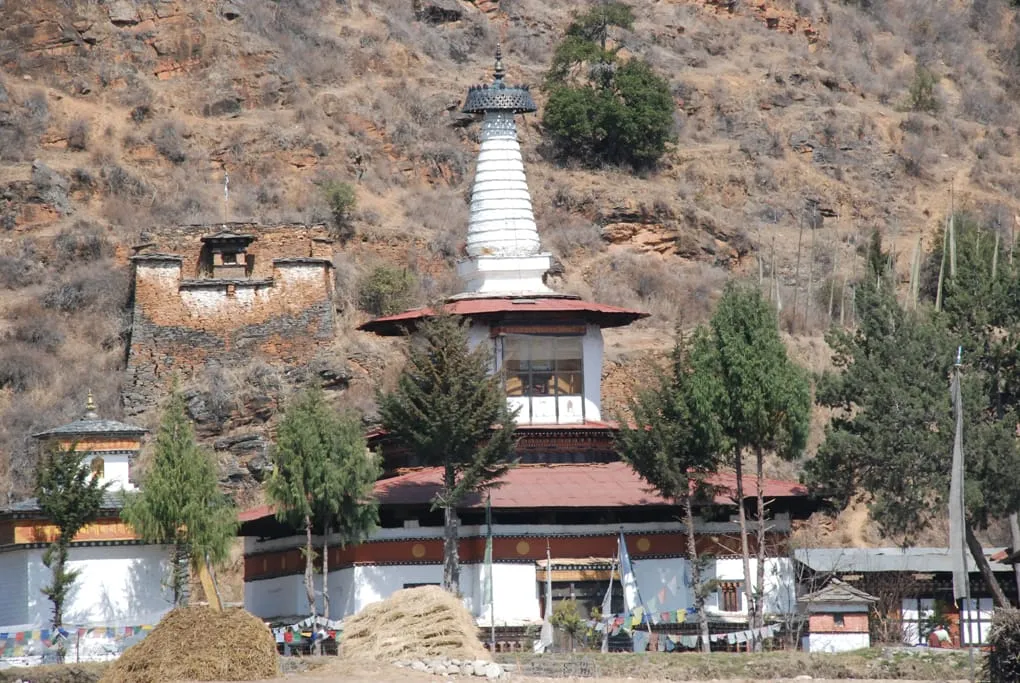
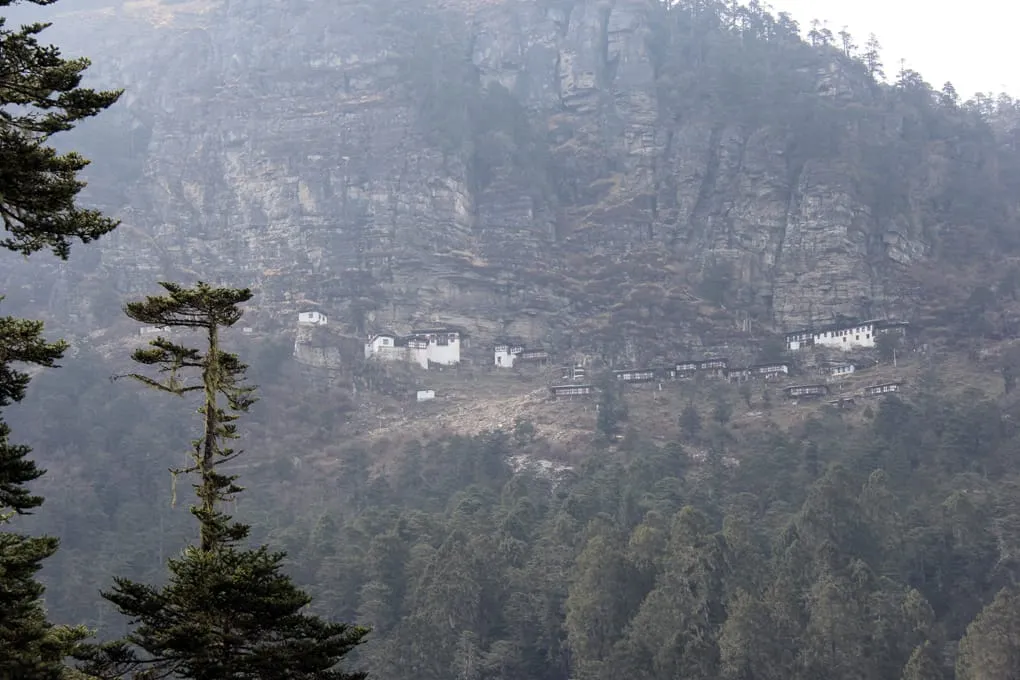
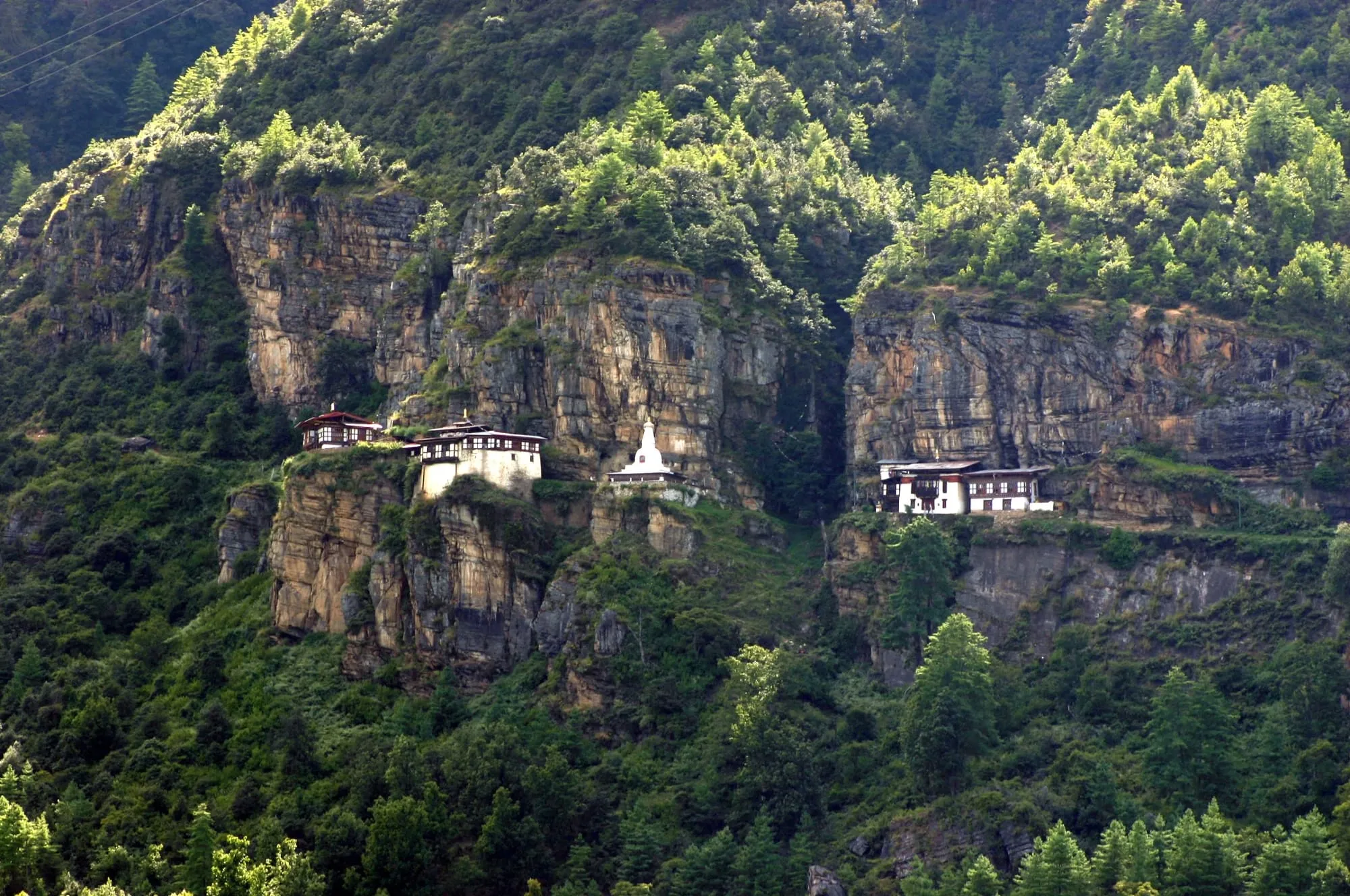
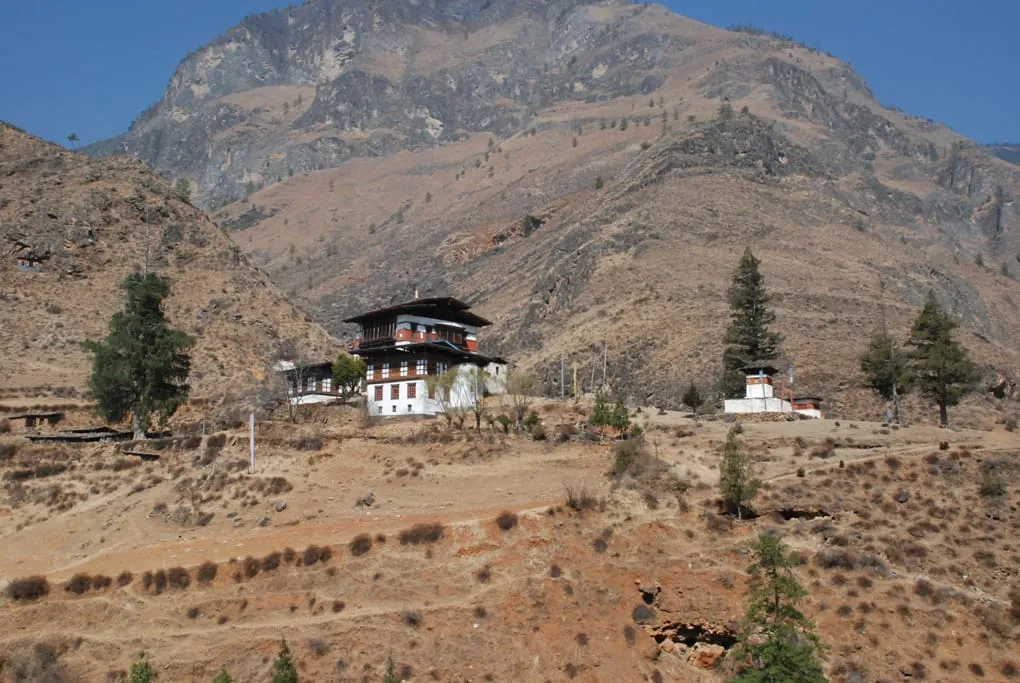
Attractions in Paro
Tailor-made travel
Begin your journey to the Last Shangri-La
Every Little Bhutan itinerary is private and tailor-made. Tell us what draws you to Bhutan — festivals, treks, monasteries, food — and we will design the journey around it.